For millennia, Chinese yam (Dioscorea polystachya or Dioscorea batatas), known as shanyao in Mandarin, has been a cornerstone of traditional Chinese medicine and cuisine. This humble tuber, with its gnarled, bark-like appearance and creamy flesh, is far more than a mere staple food. Revered as the "immortal herb" in ancient texts, Chinese yam is celebrated for its exceptional nutritional profile, adaptogenic properties, and versatility in both sweet and savory dishes. Today, as global interest in functional foods grows, Chinese yam is gaining recognition as a superfood, offering a wealth of health benefits—from digestive support to immune modulation. However, like all potent ingredients, it must be consumed wisely. This article explores the nutritional value of Chinese yam, its evidence-based health benefits, potential side effects, and practical tips for incorporation into a balanced diet.
I. Nutritional Profile: A Treasure Trove of Essential Nutrients
Chinese yam is a nutritional powerhouse, packing a dense array of vitamins, minerals, fiber, and bioactive compounds into its unassuming form. A 100-gram serving of raw Chinese yam contains approximately:
- Carbohydrates (12.1 grams): Primarily complex carbohydrates, including starch and dietary fiber, which provide sustained energy and promote gut health.
- Protein (1.5 grams): A modest but notable source of plant-based protein, containing essential amino acids like lysine, methionine, and cysteine.
- Dietary Fiber (2.5 grams): Rich in soluble and insoluble fiber, which aids digestion, regulates blood sugar, and supports satiety.
- Vitamins: Notable for its vitamin C content (7.2 mg per 100g), a potent antioxidant that boosts immunity and skin health. It also provides B vitamins (e.g., thiamin, riboflavin, and niacin), which play key roles in energy metabolism.
- Minerals: A good source of potassium (515 mg), which regulates blood pressure and fluid balance; manganese (0.2 mg), essential for bone health and antioxidant defense; and iron (0.7 mg), which supports oxygen transport in the blood.
- Bioactive Compounds: Chinese yam contains unique phytochemicals, including diosgenin (a steroidal saponin with anti-inflammatory and hormonal-modulating effects), allantoin (promotes tissue repair), and mucilage (a gel-like substance that soothes mucous membranes).
What sets Chinese yam apart from other tubers like potatoes or sweet potatoes is its balance of macronutrients and concentration of bioactive compounds, making it a functional food as much as a dietary staple.
II. Health Benefits: From Traditional Wisdom to Modern Science
The health benefits of Chinese yam are deeply rooted in traditional Chinese medicine (TCM), where it is classified as a "tonic herb" that nourishes the spleen and kidneys. Modern research has increasingly validated these traditional uses, uncovering mechanisms behind its therapeutic effects.
1. Supports Digestive Health
In TCM, the spline is associated with digestion and nutrient absorption. Chinese yam is believed to strengthen the spleen, alleviate diarrhea, and reduce bloating. Scientifically, its high fiber content and mucilage compounds are responsible for these effects. The soluble fiber forms a gel-like substance in the gut, which slows digestion, stabilizes blood sugar, and feeds beneficial gut bacteria (probiotics). Mucilage, on the other hand, coats the stomach and intestinal lining, providing relief from conditions like gastritis, peptic ulcers, and irritable bowel syndrome (IBS). A 2018 study published in the Journal of Ethnopharmacology found that Chinese yam extract significantly reduced gastric lesions in rats by inhibiting inflammation and oxidative stress.
2. Regulates Blood Sugar
For individuals with diabetes or prediabetes, Chinese yam may offer a natural way to manage blood sugar levels. Its high fiber content slows the absorption of sugars in the bloodstream, preventing post-meal spikes. Additionally, diosgenin, a key bioactive compound, has been shown to enhance insulin sensitivity. A 2020 study in Phytotherapy Research demonstrated that diabetic rats fed Chinese yam extract had lower fasting blood glucose levels and improved glucose tolerance compared to the control group. While human trials are needed, these findings suggest Chinese yam as a complementary dietary approach for blood sugar control.
3. Boosts Immune Function
Chinese yam is a rich source of vitamin C and antioxidants, which play a critical role in immune defense. Vitamin C stimulates the production of white blood cells and antibodies, while antioxidants like flavonoids and phenolic acids neutralize harmful free radicals that can weaken the immune system. Moreover, the prebiotic fiber in Chinese yam promotes a healthy gut microbiome, which is increasingly recognized as a cornerstone of immune health. A 2019 study in Food & Function reported that Chinese yam polysaccharides enhanced macrophage activity (a key component of the innate immune system) in mice, improving their resistance to bacterial infections.
4. Promotes Respiratory Health
In TCM, Chinese yam is used to treat dry coughs, wheezing, and asthma, particularly those caused by "lung yin deficiency." Its mucilage content soothes irritated respiratory tract tissues, reducing inflammation and irritation. Modern research supports this use: a 2017 study in Phytomedicine found that Chinese yam extract suppressed airway inflammation in asthmatic mice by inhibiting pro-inflammatory cytokines like TNF-α and IL-6. While not a replacement for asthma medications, Chinese yam may help alleviate mild respiratory symptoms when consumed as part of a balanced diet.
5. Supports Reproductive Health and Hormonal Balance
Diosgenin, a steroidal saponin in Chinese yam, is structurally similar to estrogen and progesterone, making it a phytoestrogen. This property has led to its use in managing menopausal symptoms, such as hot flashes, mood swings, and bone loss. A 2016 randomized controlled trial in Complementary Therapies in Medicine found that postmenopausal women taking Chinese yam extract reported a significant reduction in hot flashes and improved sleep quality compared to the placebo group. Additionally, diosgenin has been studied for its potential to support male reproductive health, including sperm motility and testosterone production, though more research is needed in this area.
6. Enhances Skin and Wound Healing
The allantoin and mucilage in Chinese yam contribute to its skin-soothing properties. Allantoin promotes cell proliferation and tissue repair, making it beneficial for wound healing, eczema, and minor burns. Mucilage, with its moisturizing and anti-inflammatory effects, can help alleviate dry, irritated skin. In TCM, Chinese yam is often ground into a paste and applied topically for skin conditions. Modern cosmetic formulations also incorporate Chinese yam extract for its anti-aging and hydrating properties.
III. Culinary Uses: Versatility in the Kitchen
Chinese yam’s mild, slightly sweet flavor and creamy texture make it incredibly versatile in cooking. It can be used in both sweet and savory dishes, and its preparation varies depending on the desired texture and culinary application.
1. Raw or Cooked
- Raw: Thinly sliced Chinese yam can be added to salads for a crunchy, nutty flavor. It can also be juiced or blended into smoothies for a nutrient boost.
- Cooked: Boiling, steaming, or stir-frying Chinese yam softens its texture, making it ideal for soups, stews, and stir-fries. In TCM, cooked Chinese yam is preferred for digestive health, as it is easier to digest than raw.
2. Traditional Dishes
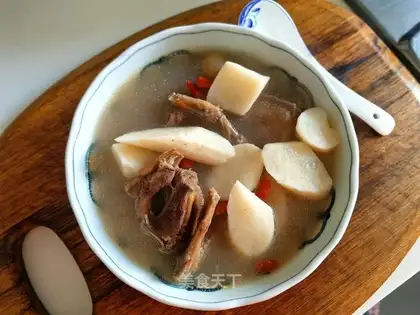
- Shan Yao Tang (Chinese Yam Soup): A classic TCM remedy for digestive health, this soup typically combines Chinese yam with pork bones, ginger, and goji berries.
- Baked Chinese Yam: A simple, healthy dessert where yams are baked until caramelized, served with a drizzle of honey or maple syrup.
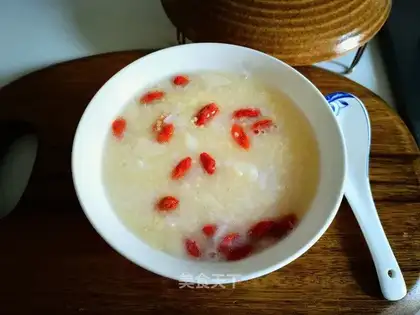
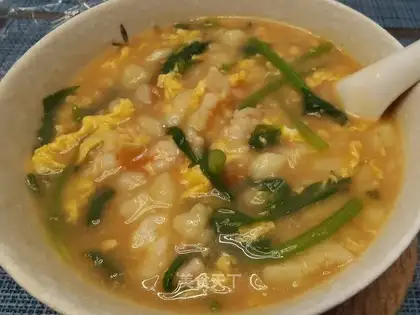
- Chinese Yam Congee: A comforting porridge made by simmering Chinese yam with rice, often served with savory toppings like preserved eggs or dried shrimp.
3. Modern Twists
- Flour: Chinese yam can be dried and ground into a gluten-free flour, used in baking bread, cakes, and noodles.
- Snacks: In East Asia, fried Chinese yam chips are a popular crunchy snack, seasoned with salt, pepper, or spices.
- Desserts: In Japan, yams (a variety of Chinese yam) are often grated and served raw with soy sauce and wasabi as a side dish.
IV. Precautions and Potential Side Effects
While Chinese yam is generally safe for most people when consumed in moderation, certain precautions should be taken to avoid adverse effects.
1. Allergic Reactions
Some individuals may be allergic to Chinese yam, particularly those with sensitivities to other tubers like potatoes or yams. Symptoms can include itching, hives, swelling, or difficulty breathing. If an allergic reaction occurs, discontinue use and seek medical attention.
2. Digestive Discomfort
Due to its high fiber content, consuming large amounts of Chinese yam may cause bloating, gas, or constipation in sensitive individuals. To minimize this, start with small portions and ensure adequate hydration.
3. Drug Interactions
Chinese yam may interact with certain medications, particularly those for diabetes and blood pressure. Its fiber content can slow the absorption of oral medications, while its phytoestrogen effects may interfere with hormone therapy (e.g., birth control pills or hormone replacement therapy). Individuals taking medication should consult a healthcare provider before adding Chinese yam to their diet.
4. Special Populations
- Pregnancy and Breastfeeding: While Chinese yam is commonly used in TCM during pregnancy to support digestion, pregnant women should consult a healthcare provider before use, as high doses of phytoestrogens may have hormonal effects.
- Surgery: Due to its potential to affect blood sugar and hormones, Chinese yam should be avoided at least two weeks before scheduled surgery to prevent interactions with anesthesia and blood sugar control.
5. Wild Varieties
Only cultivated Chinese yam (Dioscorea polystachya) should be consumed. Wild yams (e.g., Dioscorea villosa) contain toxic compounds like dioscorin and can cause severe poisoning if ingested.
V. Conclusion
Chinese yam is a nutritional and medicinal gem that bridges ancient tradition and modern science. Its rich array of vitamins, minerals, fiber, and bioactive compounds supports digestive health, blood sugar regulation, immune function, and more. Whether enjoyed as a hearty soup, a crispy snack, or a creamy dessert, this versatile tuber offers a delicious way to enhance overall health. However, like all potent foods, it should be consumed mindfully, with attention to potential allergies, drug interactions, and individual health needs.
As research continues to uncover the full potential of Chinese yam, its status as a "superfood" is only set to grow. By incorporating this humble tuber into a balanced diet, we can tap into centuries of wisdom while reaping the benefits of a truly functional food. In a world where health is increasingly tied to nutrition, Chinese yam stands as a testament to the power of nature to nourish, heal, and sustain.