Introduction
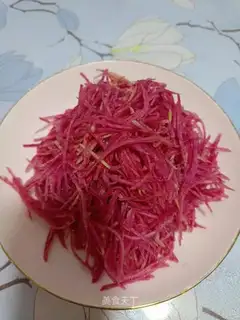
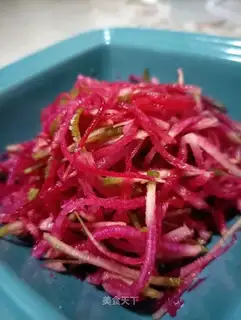
In the diverse world of root vegetables, the purple heart radish, affectionately known as "心里美" (xīn lǐ měi) in Chinese—literally "beautiful heart"—stands out for its striking appearance, crisp texture, and exceptional nutritional profile. Characterized by its pale green or white outer skin and a vibrant, magenta-purple center, this radish is not only a visual delight but also a powerhouse of health benefits. Native to China and widely cultivated across East Asia, it has been a staple in traditional medicine and culinary practices for centuries. Today, as global interest in functional foods grows, the purple heart radish is gaining recognition for its unique combination of vitamins, antioxidants, and bioactive compounds. This article explores its nutritional value, health benefits, potential precautions, and creative ways to incorporate it into a balanced diet.
Nutritional Value: A Microcosm of Essential Nutrients
The purple heart radish’s nutritional composition is as impressive as its color. Low in calories (approximately 20 kcal per 100 grams) yet rich in essential vitamins, minerals, and phytochemicals, it is an ideal addition to a health-conscious diet.
Vitamins
- Vitamin C: A potent antioxidant, vitamin C is abundant in purple heart radishes, with 100 grams providing around 20 mg—roughly 25% of the daily recommended intake. This nutrient is crucial for immune function, collagen synthesis, and skin health, while also protecting cells from oxidative damage.
- Folate (Vitamin B9): Essential for DNA synthesis and cell division, folate is particularly important during pregnancy. A 100-gram serving contains about 30 mcg, contributing to daily needs and supporting fetal development.
- Vitamin B6: Involved in metabolism and brain health, vitamin B6 helps produce neurotransmitters like serotonin and dopamine, regulating mood and cognitive function.
Minerals
- Potassium: This radish is a good source of potassium (about 200 mg per 100 grams), a mineral that balances fluids in the body, regulates blood pressure, and supports muscle and nerve function.
- Manganese: A trace mineral critical for antioxidant defense, bone health, and metabolism, manganese is found in moderate amounts (0.1 mg per 100 grams).
- Calcium and Iron: While not as high as in dairy or red meat, these minerals contribute to bone strength and oxygen transport, respectively, making the radish a valuable supplementary source.
Dietary Fiber and Phytochemicals
With 1.6 grams of fiber per 100 grams, the purple heart radish aids digestion, promotes satiety, and helps maintain stable blood sugar levels. Its most notable phytochemicals are anthocyanins—the pigments responsible for its purple hue—along with glucosinolates and isothiocyanates. These compounds are studied for their anti-inflammatory, anticancer, and antimicrobial properties.
Health Benefits: From Traditional Wisdom to Modern Science
The health benefits of purple heart radish are rooted in both traditional Chinese medicine (TCM) and contemporary research. Its unique blend of nutrients makes it a versatile remedy for various health concerns.
1. Antioxidant and Anti-Inflammatory Properties
The deep purple center of the radish is rich in anthocyanins, flavonoids that combat oxidative stress by neutralizing free radicals. Chronic oxidative stress is linked to aging, chronic diseases (e.g., heart disease, diabetes), and cancer. Studies suggest that anthocyanins in radishes inhibit pro-inflammatory enzymes (e.g., COX-2), reducing inflammation in conditions like arthritis and metabolic syndrome. For example, a 2020 study in Journal of Agricultural and Food Chemistry found that radish extracts reduced inflammation in colon cells, highlighting potential protective effects against inflammatory bowel disease.
2. Digestive Health
Dietary fiber in the radish adds bulk to stool, promoting regular bowel movements and preventing constipation. Additionally, glucosinolates—compounds broken down into isothiocyanates during digestion—stimulate the secretion of digestive enzymes, enhancing nutrient absorption. These compounds also exhibit prebiotic effects, nourishing beneficial gut bacteria (e.g., Lactobacillus), which support gut microbiome balance and immune function.
3. Immune System Support
Vitamin C and anthocyanins work synergistically to boost immunity. Vitamin C stimulates the production of white blood cells (e.g., lymphocytes and phagocytes), while anthocyanins modulate immune responses, reducing excessive inflammation that can damage tissues. Regular consumption may help reduce the duration and severity of common colds and infections.
4. Cardiovascular Health
Potassium and fiber play key roles in heart health. Potassium counteracts the effects of sodium, lowering blood pressure and reducing the risk of hypertension. Fiber, particularly soluble fiber, binds to cholesterol in the digestive system, preventing its absorption and helping to lower LDL ("bad") cholesterol. Anthocyanins further support cardiovascular function by improving blood vessel elasticity and reducing oxidative damage to arterial walls. A 2018 study in Nutrients associated higher anthocyanin intake with a 12% lower risk of heart disease.
5. Cancer Prevention
Glucosinolates and isothiocyanates in radishes are studied for their chemopreventive effects. These compounds activate detoxification enzymes (e.g., glutathione S-transferase), which neutralize carcinogens and promote their excretion. Research in Cancer Epidemiology, Biomarkers & Prevention indicates that isothiocyanates inhibit the growth of cancer cells, particularly in the colon, breast, and prostate, by inducing apoptosis (programmed cell death) and blocking tumor angiogenesis (blood vessel formation).
6. Weight Management
Low in calories and high in fiber and water (over 90% of the radish’s weight is water), the purple heart radish is an excellent food for weight loss. Fiber promotes fullness, reducing overall calorie intake, while water supports hydration and metabolism. Its crisp texture also makes it a satisfying, low-calorie alternative to processed snacks.
7. Skin and Hair Health
Vitamin C is essential for collagen production, a protein that maintains skin elasticity and prevents wrinkles. Anthocyanins protect skin cells from UV damage and pollution, reducing signs of aging. Additionally, radishes contain vitamin A (as beta-carotene), which supports sebum production, keeping hair moisturized and preventing breakage.
Precautions and Potential Side Effects
While the purple heart radish is generally safe for most people, certain precautions should be considered to maximize its benefits and avoid adverse effects.
1. Digestive Sensitivity
High fiber content may cause bloating, gas, or diarrhea in individuals with sensitive digestive systems or irritable bowel syndrome (IBS). To minimize discomfort, start with small portions and cook the radish (e.g., steaming or stir-frying) to reduce its fiber’s roughage.
2. Thyroid Function
Radishes belong to the cruciferous family, which contains goitrogens—compounds that can interfere with thyroid hormone production when consumed in excessive amounts. Cooking inactivates goitrogens, making it safer for individuals with thyroid conditions (e.g., hypothyroidism) to enjoy radishes in moderation.
3. Blood Pressure Medications
Due to its high potassium content, individuals taking potassium-sparing diuretics or ACE inhibitors for hypertension should consult a doctor before increasing radish intake, as excessive potassium may lead to hyperkalemia (dangerously high potassium levels).
4. Allergies
Though rare, some people may be allergic to radishes, experiencing symptoms like itching, swelling, or oral allergy syndrome. Those with known allergies to cruciferous vegetables (e.g., broccoli, cabbage) should exercise caution.
5. Pesticide Residues
As with root vegetables, radishes may absorb pesticides from soil. To reduce exposure, choose organic varieties when possible, or wash thoroughly with running water and a vegetable brush before consumption.
Culinary Uses: Incorporating Purple Heart Radish into Your Diet
The purple heart radish’s mild, slightly peppery flavor and crunchy texture make it versatile in both raw and cooked dishes. Here are some creative ways to enjoy it:
1. Raw Preparations
- Salads: Thinly sliced or julienned radish add crunch and color to salads. Pair with leafy greens, cucumber, and a lemon-vinaigrette dressing.
- Pickles: Marinate sliced radish in rice vinegar, sugar, and salt for a quick, tangy pickle that lasts up to a week in the refrigerator.
- Garnishes: Grate radish over soups, tacos, or noodle dishes for a fresh, peppery kick.
2. Cooked Dishes
- Stir-fries: Sauté radish with carrots, bell peppers, and tofu in a light soy-ginger sauce.
- Roasting: Toss radish wedges with olive oil, garlic, and herbs (e.g., rosemary), then roast at 200°C for 20–25 minutes until caramelized and tender.
- Soups and Stews: Add radish to miso soup, bone broth, or vegetable stews for a subtle sweetness and nutritional boost.
3. Juices and Smoothies
Blend radish with apple, carrot, and ginger for a nutrient-dense juice. Its mild flavor balances stronger ingredients, making it a great addition to green smoothies.
Conclusion
The purple heart radish is more than just a visually appealing vegetable—it is a nutritional and medicinal treasure. Its rich content of vitamins, minerals, fiber, and phytochemicals supports immune health, digestion, cardiovascular function, and disease prevention. While precautions exist for individuals with specific health conditions, moderate consumption offers a safe and delicious way to enhance overall well-being. Whether eaten raw in salads, pickled as a condiment, or cooked in hearty dishes, this "beautiful heart" radish embodies the synergy of taste and health, making it a valuable addition to any diet. As research continues to uncover its benefits, the purple heart radish is poised to become a global superfood, bridging traditional wisdom and modern nutrition.