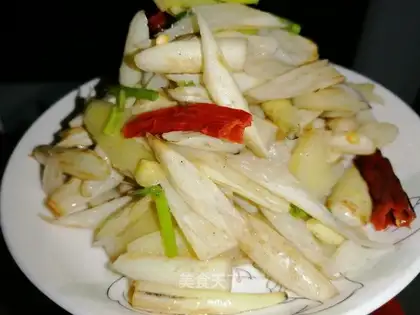
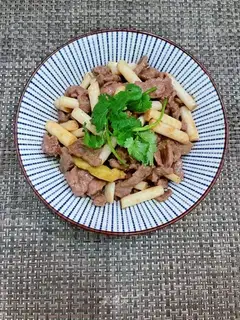
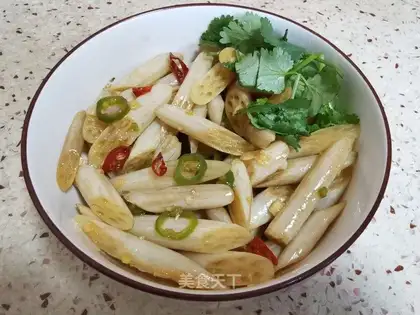
Lotus root sprouts, known as ou dai (藕带) in Chinese, are the tender, edible stems and young leaves of the lotus plant (Nelumbo nucifera). Long celebrated in Asian cuisine for their crisp texture and subtle sweetness, these aquatic vegetables are more than just a culinary delight—they are a nutritional powerhouse packed with vitamins, minerals, and bioactive compounds. As a seasonal delicacy, lotus root sprouts are often enjoyed stir-fried, pickled, or raw in salads. However, their benefits extend far beyond flavor. This article explores the nutritional profile of lotus root sprouts, their evidence-based health benefits, and important precautions to consider for safe consumption.
Nutritional Profile of Lotus Root Sprouts
Lotus root sprouts are low in calories but rich in essential nutrients, making them an ideal addition to a balanced diet. A 100-gram serving of fresh lotus root sprouts contains approximately 20–30 calories, 2–3 grams of carbohydrates, and 1–2 grams of fiber, with minimal fat and protein. Their true value lies in their micronutrient and phytochemical content.
Vitamins: Lotus root sprouts are a good source of vitamin C, a potent antioxidant that supports immune function, skin health, and collagen synthesis. A 100-gram serving provides about 15–20% of the daily recommended intake (DRI) of vitamin C. They also contain smaller amounts of B vitamins, including vitamin B6 (important for metabolism and brain function) and folate (crucial for cell division and pregnancy).
Minerals: These sprouts are rich in essential minerals like potassium, which regulates blood pressure and fluid balance; manganese, a cofactor for antioxidant enzymes; and iron, which aids in oxygen transport. They also provide magnesium, calcium, and phosphorus, all vital for bone health and nerve function.
Dietary Fiber: Lotus root sprouts are high in dietary fiber, particularly insoluble fiber, which promotes digestive health by adding bulk to stool and preventing constipation. Fiber also helps stabilize blood sugar levels and supports weight management by increasing satiety.
Phytochemicals: Perhaps most notable are the bioactive compounds in lotus root sprouts, including polyphenols (such as catechins and quercetin), flavonoids, and alkaloids. These compounds possess antioxidant, anti-inflammatory, and antimicrobial properties, which contribute to many of the vegetable’s health benefits.
Health Benefits of Lotus Root Sprouts
The combination of nutrients and phytochemicals in lotus root sprouts offers a range of health benefits, from boosting immunity to supporting heart health.
1. Boosts Immune Function
The high vitamin C content in lotus root sprouts plays a key role in immune health. Vitamin C stimulates the production and function of white blood cells, which are the body’s primary defense against pathogens. Additionally, its antioxidant properties protect immune cells from damage caused by free radicals, reducing the risk of infections and chronic diseases. Studies suggest that regular vitamin C intake may shorten the duration of colds and alleviate symptoms.
2. Supports Digestive Health
Dietary fiber is essential for a healthy digestive system, and lotus root sprouts are an excellent source. Insoluble fiber adds bulk to stool, speeding up transit time through the gut and preventing constipation. Soluble fiber, meanwhile, acts as a prebiotic, feeding beneficial gut bacteria and promoting a balanced microbiome. A healthy gut microbiome is linked to improved digestion, enhanced nutrient absorption, and a reduced risk of gastrointestinal disorders like irritable bowel syndrome (IBS).
3. Promotes Heart Health
Lotus root sprouts contribute to cardiovascular health in multiple ways. Their potassium content helps counteract the effects of sodium, lowering blood pressure and reducing the strain on the heart. The fiber in these sprouts also helps lower LDL (“bad”) cholesterol levels by binding to bile acids in the digestive system and promoting their excretion. Furthermore, the flavonoids and polyphenols in lotus root sprouts have antioxidant effects that prevent oxidative damage to blood vessels, improving circulation and reducing the risk of atherosclerosis.
4. Aids in Weight Management
Low in calories and high in fiber, lotus root sprouts are an excellent food for weight management. Fiber increases feelings of fullness (satiety), reducing overall calorie intake by curbing overeating. The vegetable’s high water content (over 90%) also adds volume to meals without adding calories, making it easier to maintain a calorie deficit for weight loss.
5. Regulates Blood Sugar Levels
The fiber and polyphenols in lotus root sprouts help regulate blood sugar levels, making them a beneficial food for people with diabetes or those at risk of developing the condition. Fiber slows the absorption of sugar in the bloodstream, preventing rapid spikes in blood glucose after meals. Polyphenols, such as quercetin, have been shown to enhance insulin sensitivity, allowing cells to use glucose more efficiently.
6. Enhances Skin Health
Vitamin C and antioxidants in lotus root sprouts are particularly beneficial for skin health. Vitamin C is essential for collagen synthesis, a protein that gives skin its structure and elasticity. Adequate vitamin C intake can reduce the appearance of wrinkles, improve skin texture, and promote wound healing. The antioxidants in these sprouts also protect skin cells from damage caused by UV radiation and pollution, slowing down the aging process.
7. Anti-Inflammatory and Antimicrobial Properties
The bioactive compounds in lotus root sprouts, including flavonoids and alkaloids, exhibit potent anti-inflammatory effects. Chronic inflammation is linked to numerous diseases, including arthritis, heart disease, and cancer. By reducing inflammation, lotus root sprouts may help lower the risk of these conditions. Additionally, some studies suggest that these compounds have antimicrobial properties, helping to inhibit the growth of harmful bacteria and fungi in the body.
Precautions and Potential Side Effects
While lotus root sprouts are generally safe for most people, there are a few precautions to keep in mind to ensure optimal consumption and avoid adverse effects.
1. Allergic Reactions
Although rare, some individuals may be allergic to lotus root sprouts, especially those with existing allergies to other aquatic plants (e.g., water chestnuts or lily bulbs). Symptoms of an allergic reaction may include itching, hives, swelling, or difficulty breathing. If you experience these symptoms after consuming lotus root sprouts, seek medical attention immediately.
2. Pesticide Residues
Lotus plants are often grown in water, which may accumulate pesticides or environmental contaminants if the water source is polluted. To minimize exposure, choose organic lotus root sprouts when possible, or wash them thoroughly under running water before consumption. Peeling the sprouts can also reduce pesticide residues, though this may remove some of the fiber and nutrients.
3. Blood Sugar Considerations
While lotus root sprouts can help regulate blood sugar, people with diabetes should monitor their intake carefully. The fiber in these sprouts slows glucose absorption, but consuming large quantities may still cause a mild spike in blood sugar in some individuals. It is advisable to consult a healthcare provider or dietitian to determine the appropriate portion size.
4. Digestive Discomfort
Lotus root sprouts are high in fiber, which may cause digestive discomfort, such as bloating, gas, or diarrhea, in some people, especially those with sensitive digestive systems or irritable bowel syndrome (IBS). To avoid this, start with small portions and gradually increase intake as your digestive system adjusts. Cooking the sprouts (e.g., stir-frying or steaming) can also make them easier to digest than eating them raw.
5. Interaction with Medications
Lotus root sprouts contain vitamin K, which plays a role in blood clotting. Individuals taking blood-thinning medications (e.g., warfarin) should monitor their intake of vitamin K-rich foods, as sudden changes in consumption may affect the medication’s efficacy. It is important to maintain consistent vitamin K levels and consult a healthcare provider if you have concerns about interactions.
6. Pregnancy and Breastfeeding
Lotus root sprouts are generally safe for pregnant and breastfeeding women when consumed in moderation, as they provide essential nutrients like folate and iron. However, pregnant women should avoid raw or undercooked lotus root sprouts to reduce the risk of bacterial contamination (e.g., Salmonella). Cooking thoroughly can eliminate this risk.
Conclusion
Lotus root sprouts are a nutrient-dense vegetable that offers a wide range of health benefits, from boosting immunity and supporting digestion to promoting heart health and regulating blood sugar. Their high fiber, vitamin, and phytochemical content makes them a valuable addition to a balanced diet. However, as with any food, moderation and caution are key. By choosing fresh, high-quality sprouts, preparing them safely, and being mindful of potential allergies or interactions, you can enjoy the many advantages of this versatile and delicious vegetable. Whether eaten raw in a salad, stir-fried with garlic, or pickled as a condiment, lotus root sprouts are a flavorful and nutritious way to enhance your overall health and well-being.