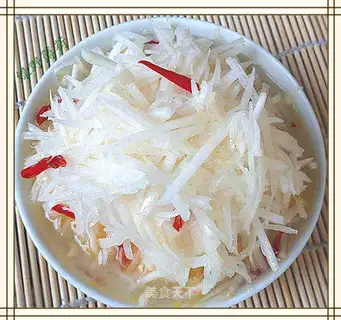
Kohlrabi, often referred to as "German turnip" or "cabbage turnip," is a lesser-known yet remarkably versatile vegetable belonging to the Brassicaceae family, alongside broccoli, kale, and cabbage. With its unique, round shape and crisp, mild flavor, kohlrabi has been a staple in European and Asian cuisines for centuries. Today, it is gaining global recognition as a nutritional powerhouse, celebrated for its impressive array of vitamins, minerals, antioxidants, and health-promoting compounds. This article explores the nutritional profile of kohlrabi, its diverse health benefits, culinary versatility, and important precautions for consumption.
Nutritional Profile: A Treasure Trove of Essential Nutrients
Kohlrabi stands out for its low calorie density and high nutrient concentration, making it an ideal addition to a balanced diet. A 100-gram serving of raw kohlrabi (approximately one cup, cubed) provides just 36 calories while delivering a wealth of essential nutrients:
- Vitamins: Kohlrabi is an excellent source of vitamin C, with a single cup providing over 100% of the daily recommended intake (DRI). Vitamin C is a potent antioxidant that boosts immune function, supports collagen synthesis for skin health, and enhances iron absorption. It also contains significant amounts of vitamin B6 (important for metabolism and brain function), folate (critical for cell growth and pregnancy), and vitamin K (essential for blood clotting and bone health).
- Minerals: This vegetable is rich in potassium, a mineral that regulates blood pressure, balances fluids, and supports muscle function. It also provides smaller amounts of calcium, magnesium, iron, and manganese, which contribute to bone health, oxygen transport, and antioxidant defense.
- Dietary Fiber: Kohlrabi contains about 5 grams of fiber per cup, promoting digestive health by preventing constipation, feeding beneficial gut bacteria, and aiding in blood sugar control. The high fiber content also enhances satiety, making it a valuable food for weight management.
- Antioxidants and Phytochemicals: Kohlrabi is packed with antioxidants, including flavonoids (such as quercetin and kaempferol), glucosinolates (compounds unique to cruciferous vegetables), and carotenoids. These compounds combat oxidative stress, reduce inflammation, and may lower the risk of chronic diseases.
- Protein and Low Fat: With approximately 2 grams of protein per cup and virtually no fat, kohlrabi is a nutrient-dense food that supports muscle maintenance and overall health without contributing to excess calorie intake.
Health Benefits: Backed by Science
The combination of nutrients in kohlrabi translates to numerous health benefits, supported by scientific research:
1. Boosts Immune Function
The high vitamin C content in kohlrabi is a cornerstone of its immune-boosting properties. Vitamin C stimulates the production and activity of white blood cells, which are critical for fighting infections. Studies show that adequate vitamin C intake reduces the duration and severity of respiratory illnesses, such as the common cold. Additionally, the antioxidants in kohlrabi protect immune cells from damage caused by free radicals, enhancing the body’s defense mechanisms.
2. Supports Digestive Health
Kohlrabi’s fiber content is a key player in digestive wellness. Insoluble fiber adds bulk to stool, promoting regular bowel movements and preventing constipation. Soluble fiber, on the other hand, forms a gel-like substance in the gut, which slows digestion and helps regulate blood sugar levels. Moreover, kohlrabi contains glucosinolates, which are broken down into beneficial compounds (such as sulforaphane) during digestion. These compounds have been shown to support gut health by reducing inflammation and inhibiting the growth of harmful bacteria.
3. Promotes Heart Health
The potassium in kohlrabi helps counteract the effects of sodium, lowering blood pressure and reducing the risk of hypertension—a major risk factor for heart disease. Fiber also contributes to heart health by binding to cholesterol in the digestive system and removing it from the body, thereby reducing LDL ("bad") cholesterol levels. Furthermore, the antioxidants in kohlrabi, particularly flavonoids, reduce oxidative stress and inflammation in blood vessels, improving circulation and lowering the risk of atherosclerosis.
4. Aids in Weight Management
Kohlrabi’s low calorie and high water content (over 90%) make it an excellent food for weight loss. The fiber and protein in kohlrabi promote satiety, reducing overall calorie intake by curbing hunger. Additionally, its crunchy texture satisfies the desire for high-calorie snacks, making it a healthy alternative to processed foods. A study published in the Journal of the Academy of Nutrition and Dietetics found that high-fiber vegetables like kohlrabi are associated with greater weight loss and maintenance over time.
5. Enhances Bone Health
Kohlrabi is a good source of vitamin K and calcium, two nutrients critical for bone health. Vitamin K activates proteins that regulate calcium deposition in bones, reducing the risk of fractures and osteoporosis. Calcium, the primary mineral in bones, provides structural strength. While kohlrabi is not as calcium-rich as dairy products, its combination of vitamin K, magnesium, and phosphorus makes it a valuable contributor to bone density.
6. Has Anti-Cancer Potential
Cruciferous vegetables like kohlrabi are renowned for their cancer-fighting properties, largely due to glucosinolates. When chewed or digested, glucosinolates break down into bioactive compounds such as sulforaphane and indole-3-carbinol. These compounds have been shown to inhibit the growth of cancer cells, particularly in the breast, prostate, colon, and lungs. Sulforaphane, for example, activates detoxification enzymes that eliminate carcinogens and reduces inflammation, a key driver of cancer development. While more human studies are needed, laboratory and animal research strongly supports the role of kohlrabi in cancer prevention.
Culinary Uses: From Raw Salads to Hearty Stews
Kohlrabi’s mild, slightly sweet flavor and crisp texture make it incredibly versatile in the kitchen. Both the bulb and leaves are edible, offering minimal waste and maximum culinary potential:
- Raw: The bulb can be peeled and sliced or julienned for salads, slaws, or veggie platters. Its crunchy texture adds a refreshing element, similar to jicama or cucumber. Try tossing kohlrabi matchsticks with lemon juice, olive oil, herbs, and nuts for a simple, nutritious salad.
- Cooked: Kohlrabi can be steamed, boiled, roasted, or sautéed. Roasting brings out its natural sweetness, while steaming preserves its nutrients and delicate flavor. It can be added to soups, stews, or curries, where it absorbs the flavors of other ingredients. In some cultures, kohlrabi is mashed as a low-carb alternative to potatoes.
- Leaves: The leaves, often discarded, are rich in vitamins A, C, and K and can be used like spinach or kale. Sauté them with garlic, add them to smoothies, or toss them into pasta dishes for an extra nutrient boost.
- Pickled: Kohlrabi pickles are a popular delicacy in Eastern Europe and Germany. The bulb is thinly sliced and pickled in vinegar, spices, and dill, creating a tangy, crunchy condiment that pairs well with sandwiches and meats.
Precautions and Potential Side Effects
While kohlrabi is generally safe for most people, certain precautions should be considered:
1. Goitrogenic Effects
Like other cruciferous vegetables, kohlrabi contains goitrogens—compounds that can interfere with thyroid function by inhibiting the uptake of iodine. Individuals with thyroid disorders (such as hypothyroidism) should consume kohlrabi in moderation, especially in its raw form. Cooking significantly reduces goitrogen levels, making steamed or roasted kohlrabi a safer option for those with thyroid concerns.
2. Digestive Discomfort
The high fiber content in kohlrabi may cause bloating, gas, or diarrhea in some individuals, particularly those with sensitive digestive systems or irritable bowel syndrome (IBS). To minimize discomfort, start with small portions and increase intake gradually. Cooking kohlrabi can also make it easier to digest.
3. Allergic Reactions
Although rare, some people may be allergic to kohlrabi, especially if they are sensitive to other cruciferous vegetables. Symptoms may include itching, hives, or swelling. Those with known allergies should avoid kohlrabi or consult a healthcare provider before consuming it.
4. Pesticide Residues
Conventionally grown kohlrabi may contain pesticide residues. To reduce exposure, opt for organic kohlrabi when possible, or wash it thoroughly under running water before consumption. Peeling the bulb can also help remove surface residues.
Conclusion
Kohlrabi is a nutritional gem that offers a wide range of health benefits, from immune support and heart health to cancer prevention and weight management. Its versatility in the kitchen, combined with its low calorie and high nutrient density, makes it a valuable addition to any diet. While precautions exist for individuals with thyroid issues or sensitive digestion, kohlrabi is generally safe for most people when consumed as part of a balanced diet. As more people discover its unique flavor and health-promoting properties, kohlrabi is poised to become a staple in households worldwide—proving that this humble vegetable is far more than just a "German turnip." By incorporating kohlrabi into meals, individuals can enjoy delicious, nutrient-dense dishes that support overall health and well-being.