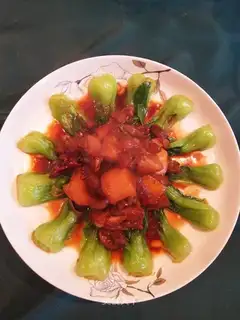
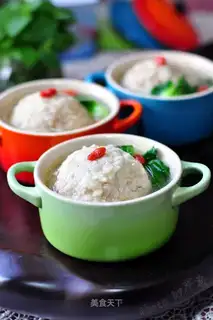
In the realm of superfoods, few ingredients embody the harmony of nutrition, flavor, and versatility quite like the crisp Chinese yam (known scientifically as Dioscorea polystachya or Dioscorea opposita). Revered in traditional Chinese medicine (TCM) for over 2,000 years and celebrated in modern nutrition science, this humble tuber is a nutritional treasure. With its crisp texture, mild sweetness, and adaptability to both sweet and savory dishes, the crisp Chinese yam has earned its place as a staple in health-conscious diets worldwide. This article explores its nutritional profile, health benefits, culinary applications, and important precautions to help you harness its full potential.
I. Nutritional Profile: A Nutrient-Dense Powerhouse
The crisp Chinese yam stands out for its exceptional nutritional content, offering a balanced blend of carbohydrates, fiber, vitamins, minerals, and bioactive compounds. A 100-gram serving of raw Chinese yam provides approximately:
- Calories: 70 kcal, making it a low-calorie option for weight management.
- Carbohydrates: 17 grams, primarily complex carbohydrates that release energy slowly, supporting stable blood sugar levels.
- Dietary Fiber: 4.1 grams, over 15% of the daily recommended intake, which aids digestion and promotes gut health.
- Protein: 1.5 grams, a modest but notable amount for a vegetable, containing all essential amino acids.
- Fat: 0.2 grams, virtually fat-free, ideal for heart-healthy diets.
Key Vitamins and Minerals
- Vitamin C: 9 mg (16% of daily value), a potent antioxidant that boosts immunity, supports skin health, and enhances collagen production.
- Vitamin B6: 0.1 mg (8% of daily value), crucial for metabolism and brain function.
- Potassium: 440 mg (12% of daily value), which regulates blood pressure and fluid balance.
- Manganese: 0.2 mg (10% of daily value), essential for bone health and antioxidant defense.
- Copper: 0.1 mg (11% of daily value), aids in iron absorption and energy production.
Bioactive Compounds
What truly sets the crisp Chinese yam apart is its rich concentration of bioactive compounds, including:
- Diosgenin: A steroidal saponin with anti-inflammatory, antioxidant, and potential anticancer properties. Studies suggest it may help regulate hormone levels and support metabolic health.
- Allantoin: Promotes tissue repair and wound healing, making it valuable for skincare and digestive health.
- Flavonoids and Polyphenols: These compounds combat oxidative stress, reducing the risk of chronic diseases like heart disease and diabetes.
II. Health Benefits: From TCM Traditions to Modern Science
The health benefits of the crisp Chinese yam are deeply rooted in TCM, where it is classified as a "neutral" food that balances the body’s qi (vital energy) and tonifies the spleen, lungs, and kidneys. Modern research has validated many of these traditional claims, highlighting its role in preventing and managing various health conditions.
1. Supports Digestive Health
High in dietary fiber and prebiotics, the crisp Chinese yam promotes a healthy gut microbiome. Fiber adds bulk to stool, preventing constipation, while prebiotics feed beneficial gut bacteria, reducing inflammation and improving nutrient absorption. TCM practitioners often prescribe it to treat "spleen deficiency," a condition marked by poor digestion, bloating, and fatigue.
2. Regulates Blood Sugar Levels
The Chinese yam’s low glycemic index (GI) and high fiber content make it a diabetic-friendly food. Complex carbohydrates are digested slowly, preventing sharp spikes in blood sugar. Additionally, diosgenin has been shown to enhance insulin sensitivity, helping to manage type 2 diabetes. A 2016 study published in the Journal of Ethnopharmacology found that Chinese yam extract significantly reduced blood glucose levels in diabetic rats.
3. Boosts Immunity and Reduces Inflammation
Rich in vitamin C, antioxidants, and anti-inflammatory compounds like diosgenin, the Chinese yam strengthens the immune system and combats chronic inflammation. Vitamin C stimulates white blood cell production, while flavonoids neutralize free radicals, reducing the risk of inflammatory diseases such as arthritis and heart disease.
4. Enhances Respiratory Health
In TCM, the Chinese yam is a staple for treating respiratory ailments. It is believed to "moisten the lungs" and relieve coughs, especially those caused by dryness or weakness. Modern research supports this: a 2020 study in Phytotherapy Research found that Chinese yam extract reduced airway inflammation in asthmatic mice, suggesting potential benefits for conditions like asthma and bronchitis.
5. Supports Brain Health and Cognitive Function
The tuber is a good source of choline, a nutrient essential for brain development and memory. Additionally, its antioxidant content protects neurons from oxidative damage, reducing the risk of age-related cognitive decline. Some studies even link diosgenin to improved mood and reduced symptoms of depression, though more human trials are needed.
6. Promotes Skin Health and Anti-Aging
Vitamin C and allantoin in Chinese yam are key to radiant skin. Vitamin C boosts collagen synthesis, improving elasticity and reducing wrinkles, while allantoin accelerates wound healing and soothes irritation. Traditional Chinese skincare formulations often include Chinese yam extract to treat dryness and inflammation.
7. Aids Weight Management
Low in calories and high in fiber, the Chinese yam promotes satiety, reducing overall calorie intake. Its slow-digesting carbohydrates provide sustained energy, preventing cravings and overeating. For those looking to lose weight, incorporating steamed or stir-fried Chinese yam into meals can be a nutritious and filling choice.
III. Culinary Uses: Versatility in the Kitchen
The crisp Chinese yam’s mild, slightly sweet flavor and crisp texture (when raw or lightly cooked) make it incredibly versatile in the kitchen. Unlike its softer counterparts, such as the purple yam (ube), the crisp Chinese yam retains a firm bite when sautéed, stir-fried, or added to salads.
Popular Preparations
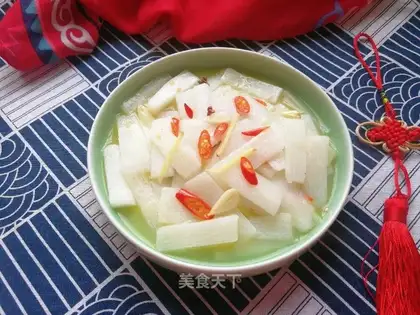
1. Raw or Blanched: Sliced or julienned raw Chinese yam adds a crunchy element to salads. Briefly blanching it in boiling water softens it slightly while preserving crispness.
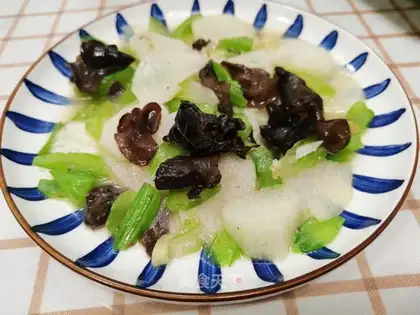
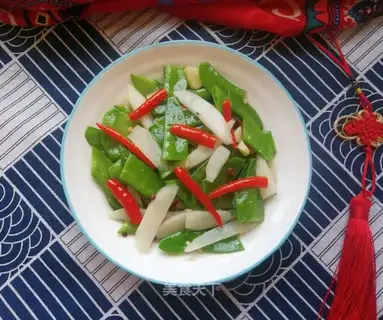
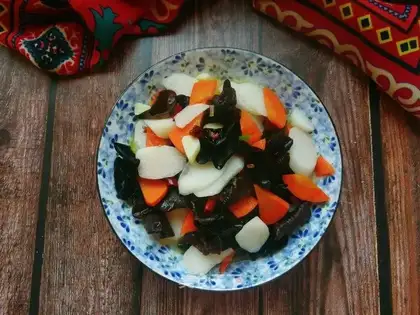
2. Stir-Fries: Pair with vegetables like bell peppers, carrots, and snow peas for a colorful, nutrient-packed dish. Its mild flavor absorbs sauces beautifully, making it ideal for stir-fries with garlic, ginger, and soy sauce.
3. Soups and Stews: Added to chicken, mushroom, or vegetable soups, it thickens the broth naturally while adding a subtle sweetness. TCM often recommends it in soups for its "warming" properties during cold weather.
4. Steamed or Roasted: Steamed Chinese yam can be mashed with a drizzle of honey and sesame seeds for a simple side dish. Roasting brings out its natural sweetness, caramelizing the edges.
5. Desserts: In Chinese cuisine, it is a key ingredient in sweet soups (tang shui) and puddings. For example, "Chinese yam and lotus seed soup" is a classic dessert believed to nourish the spleen and kidneys.
6. Flour and Baking: Dried and ground into flour, Chinese yam can be used in pancakes, bread, and noodles, adding nutrients and a gluten-free option (when blended with other gluten-free flours).
Pairing Suggestions
- Savory: Garlic, ginger, soy sauce, mushrooms, tofu, chicken, and leafy greens like spinach and kale.
- Sweet: Honey, dates, goji berries, cinnamon, and nuts like walnuts and almonds.
IV. Precautions and Potential Side Effects
While the crisp Chinese yam is generally safe for most people, certain precautions should be taken to avoid adverse effects.
1. Allergies
Though rare, some individuals may be allergic to Chinese yam, especially those with sensitivities to other tubers like potatoes or yams. Symptoms include itching, swelling, or digestive distress. Discontinue use if an allergic reaction occurs.
2. Digestive Discomfort
High fiber content may cause bloating, gas, or diarrhea in sensitive individuals, particularly when consumed in large amounts. Start with small servings and increase gradually to allow your digestive system to adjust.
3. Drug Interactions
Chinese yam may interact with certain medications due to its potential effects on blood sugar and hormone levels:
- Diabetes Medications: Its blood sugar-lowering properties may enhance the effects of insulin or oral diabetes drugs, leading to hypoglycemia. Monitor blood sugar levels closely if taking diabetes medication.
- Hormone-Sensitive Conditions: Diosgenin has estrogenic properties, so individuals with hormone-sensitive cancers (e.g., breast, ovarian) or those taking hormone replacement therapy (HRT) should consult a doctor before consuming large amounts.
4. Raw Consumption
While raw Chinese yam is edible and crisp, it contains calcium oxalate crystals, which may cause irritation or a "tingling" sensation in the mouth for some people. Cooking neutralizes these crystals, making it safer and easier to digest.
5. Special Populations
- Pregnant and Breastfeeding Women: Moderate consumption is safe, but excessive intake should be avoided due to its estrogenic effects.
- People with Kidney Disease: High potassium content may be problematic for those with advanced kidney disease. Consult a healthcare provider before including it in the diet.
V. Conclusion: Embracing the Crisp Chinese Yam for Holistic Health
The crisp Chinese yam is more than just a delicious ingredient—it is a nutritional and medicinal powerhouse that bridges traditional wisdom and modern science. From supporting digestion and regulating blood sugar to boosting immunity and promoting skin health, its benefits are as diverse as its culinary applications. Whether enjoyed raw in a salad, steamed as a side, or simmered in a soup, this versatile tuber offers a simple yet effective way to enhance overall health.
As with any food, moderation and awareness of individual health needs are key. By incorporating the crisp Chinese yam into a balanced diet and adhering to the precautions outlined, you can harness its full potential and savor its unique blend of flavor, texture, and wellness benefits. In a world where health and nutrition are increasingly prioritized, the crisp Chinese yam stands out as a timeless superfood, proving that the greatest treasures often come from the earth’s most humble offerings.