Introduction
In the vast tapestry of traditional Chinese medicine (TCM) and culinary arts, few ingredients embody the harmony of nutrition and wellness quite like the Chinese yam, known as Shanyao (山药) or Huai Shan (淮山). Revered for over 2,000 years, this humble tuber—scientifically classified as Dioscorea polystachya or Dioscorea opposita—has been a cornerstone of both healing diets and everyday meals. With its mild, slightly sweet flavor and versatile texture, Chinese yam is more than just a staple; it is a nutritional powerhouse celebrated for its ability to nourish the body, balance bodily systems, and promote longevity. This article explores the nutritional profile of Chinese yam, its diverse health benefits rooted in TCM and modern science, and important precautions for consumption, offering a comprehensive guide to this remarkable ingredient.
Nutritional Profile: The Foundation of Health
Chinese yam’s health benefits stem from its rich and unique nutritional composition, which combines vitamins, minerals, fiber, and bioactive compounds. Unlike many starchy vegetables, it strikes a balance between being a good source of energy while remaining low in fat and calories.
Macronutrients and Fiber: A 100-gram serving of cooked Chinese yam contains approximately 70 calories, 16 grams of carbohydrates, and 1.5 grams of protein. It is an excellent source of dietary fiber, providing about 3 grams per serving—roughly 10% of the daily recommended intake. Fiber aids digestion, promotes satiety, and helps regulate blood sugar levels by slowing carbohydrate absorption.
Vitamins and Minerals: Chinese yam is packed with essential vitamins and minerals that support overall health. It is particularly rich in vitamin C (a potent antioxidant), vitamin B6 (for metabolism and brain function), and potassium (for heart health and fluid balance). It also contains smaller amounts of manganese, magnesium, iron, and zinc, which play critical roles in immune function, bone health, and enzymatic reactions.
Bioactive Compounds: What truly sets Chinese yam apart is its array of bioactive compounds, including diosgenin, a saponin with anti-inflammatory and hormone-regulating properties. Additionally, it contains allantoin, which promotes tissue repair, and mucilage—a gel-like substance that soothes the digestive tract. These compounds, combined with its high antioxidant content (from phenolic acids and flavonoids), contribute to its therapeutic potential.
Health Benefits: From TCM Wisdom to Modern Science
Chinese yam’s benefits are deeply rooted in TCM, where it is classified as a "Qi tonic" and a "spleen and lung meridian harmonizer." Modern research has increasingly validated these traditional uses, highlighting its role in promoting digestive, metabolic, and immune health.
1. Digestive Health: Soothing the Gut
In TCM, the "spleen" (not to be confused with the anatomical spleen) is central to digestion, responsible for transforming food into energy and transporting nutrients to the body. Chinese yam is prized for its ability to "strengthen the spleen," addressing symptoms like poor appetite, bloating, and diarrhea. Its high fiber content and mucilage compounds further support this by:
- Relieving Constipation: Insoluble fiber adds bulk to stool, while soluble fiber (as mucilage) softens it, easing bowel movements.
- Reducing Inflammation: Mucilage forms a protective layer over the intestinal lining, alleviating irritation in conditions like gastritis or irritable bowel syndrome (IBS).
- Supporting Gut Microbiota: Fiber acts as a prebiotic, feeding beneficial gut bacteria and promoting a healthy microbiome.
2. Blood Sugar Regulation: A Diabetic-Friendly Food
For individuals with diabetes or prediabetes, Chinese yam is a valuable dietary addition. Its low glycemic index (GI) and high fiber content help prevent sharp spikes in blood sugar after meals. Studies suggest that diosgenin may enhance insulin sensitivity, allowing cells to use glucose more efficiently. A 2016 study published in the Journal of Ethnopharmacology found that Chinese yam extract significantly reduced blood glucose levels in diabetic rats, supporting its traditional use as a "sugar-balancing" food.
3. Immune System Support
Vitamin C and antioxidants in Chinese yam play a key role in immune function. Vitamin C stimulates the production of white blood cells, while antioxidants neutralize free radicals—unstable molecules that can damage cells and weaken immunity. Additionally, diosgenin has been shown to modulate immune activity, reducing inflammation and enhancing the body’s defense against infections. Regular consumption may help lower the risk of common illnesses like colds and flu.
4. Heart Health and Cholesterol Management
Chinese yam contributes to cardiovascular health in multiple ways:
- Potassium: This mineral helps regulate blood pressure by balancing sodium levels and relaxing blood vessels.
- Fiber: Soluble fiber binds to cholesterol in the digestive system, preventing its absorption into the bloodstream and lowering LDL ("bad") cholesterol.
- Antioxidants: By reducing oxidative stress and inflammation in blood vessels, Chinese yam may help prevent atherosclerosis (hardening of the arteries).
5. Hormonal Balance and Women’s Health
Diosgenin, a precursor to steroid hormones (including estrogen, progesterone, and testosterone), gives Chinese yam unique hormone-regulating properties. In TCM, it is used to alleviate menopausal symptoms such as hot flashes, night sweats, and mood swings. While more research is needed, some studies suggest that diosgenin may help balance hormone levels without the side effects of synthetic hormone replacement therapy (HRT). It is also traditionally used to support fertility and regulate menstrual cycles.
6. Respiratory Health and Anti-Inflammatory Effects
Chinese yam is a staple in TCM formulas for respiratory conditions, particularly chronic coughs, asthma, and wheezing. Its moistening properties soothe dry, irritated airways, while its anti-inflammatory compounds (such as diosgenin) reduce bronchial inflammation. A 2020 study in Phytotherapy Research found that Chinese yam extract suppressed inflammatory markers in lung tissue, making it a potential complementary therapy for asthma.
7. Skin Health and Anti-Aging
The combination of vitamin C, antioxidants, and allantoin makes Chinese yam beneficial for skin health. Vitamin C is essential for collagen production, which maintains skin elasticity and reduces wrinkles. Antioxidants protect against UV damage and environmental pollutants, while allantoin promotes cell regeneration and wound healing. In TCM, it is often used in soups or topical remedies to nourish the skin from within.
Traditional vs. Modern Consumption: How to Incorporate Chinese Yam
Chinese yam’s versatility makes it easy to incorporate into daily meals. In TCM, it is often cooked in soups, stews, or congee (rice porridge) to enhance its "warming" properties. Modern culinary uses include:
- Boiled or Steamed: Simply peel and boil or steam slices of Chinese yam as a side dish, similar to potatoes.
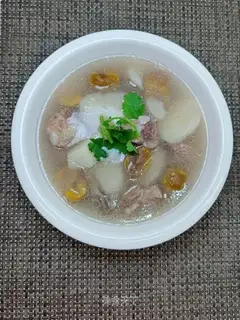
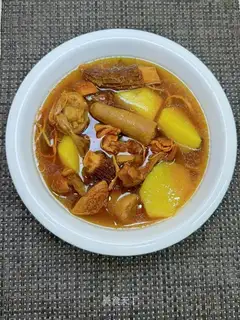
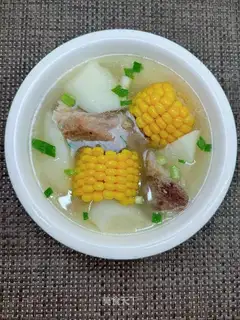
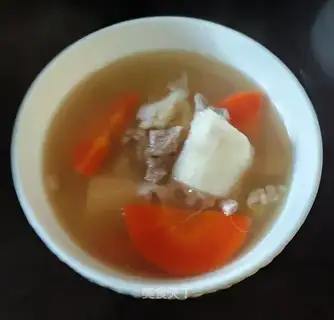
- In Soups and Stews: Combine with chicken, pork, or vegetables for a nutrient-dense meal. A classic recipe is Huai Shan Pork Rib Soup, which balances yam’s mildness with the richness of pork.
- As a Flour: Dried Chinese yam can be ground into flour, used in baking, or to thicken sauces.
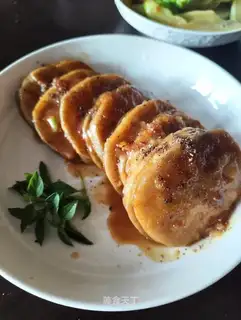
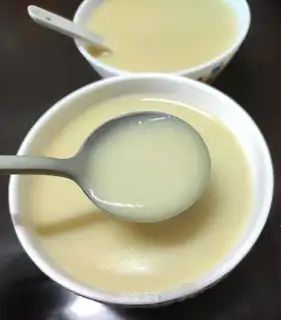
- Desserts: In China, yam is often used in sweet dishes like Shanyao Cake (steamed yam cake) or Tang Shui (sweet soups).
- Raw or Juiced: For maximum nutrient retention, some people peel and grate fresh yam into juices or smoothies.
Precautions and Potential Side Effects
While Chinese yam is generally safe for most people, certain precautions should be noted:
1. Allergies and Sensitivities
Rare cases of allergic reactions (such as itching, rash, or difficulty breathing) have been reported. Individuals with known allergies to other tubers (e.g., potatoes or yams) should exercise caution.
2. Digestive Discomfort
For some, consuming large amounts of raw Chinese yam may cause bloating or gas due to its high fiber and mucilage content. Cooking it thoroughly can reduce this risk.
3. Blood Sugar Medications
Due to its blood sugar-lowering effects, individuals taking diabetes medications (e.g., insulin or metformin) should monitor their blood sugar levels closely when consuming Chinese yam to avoid hypoglycemia.
4. Hormone-Sensitive Conditions
Women with hormone-sensitive conditions (e.g., breast, uterine, or ovarian cancer) should consult a healthcare provider before consuming large amounts of Chinese yam, as diosgenin’s estrogenic effects may interfere with treatment.
5. Surgical Procedures
Chinese yam may lower blood sugar, which could interfere with blood sugar control during and after surgery. It is advisable to stop using it at least two weeks before a scheduled operation.
Conclusion
Chinese yam is a true superfood, bridging the gap between traditional wisdom and modern nutrition. Its rich profile of vitamins, minerals, fiber, and bioactive compounds makes it a valuable ally for digestive health, blood sugar regulation, immune support, and more. Whether enjoyed in a warm soup, steamed as a side, or blended into a smoothie, this versatile tuber offers a delicious way to enhance overall well-being. As with any food, moderation and awareness of individual health needs are key. By incorporating Chinese yam into a balanced diet, one can tap into its ancient healing properties and experience the benefits of this nutritional powerhouse.
In a world where health trends come and go, Chinese yam stands the test of time—a testament to the enduring wisdom of nature and the power of whole foods to nourish, heal, and sustain.