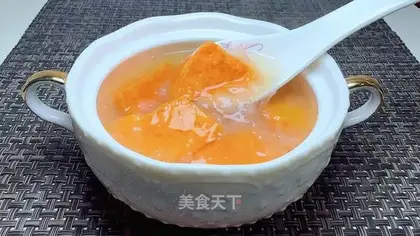
In the vast landscape of traditional Chinese medicine and modern nutrition, certain ingredients stand out for their remarkable health benefits and versatility. Tremella, often referred to as "snow fungus" or "silver ear," is one such gem. With its delicate, gelatinous texture and subtle flavor, this edible mushroom has been a staple in Asian cuisine for centuries, prized not only for its culinary appeal but also for its potent nutritional and therapeutic properties. Today, as global interest in functional foods grows, Tremella is gaining recognition worldwide as a superfood. This article explores the nutritional profile of Tremella, its diverse health benefits, and important considerations for consumption to ensure safe and optimal use.
I. Nutritional Profile of Tremella
Tremella is a species of fungus belonging to the family Auriculariaceae, typically found on the bark of deciduous trees in temperate forests. Its unique appearance—pale, translucent, and often resembling a human ear—has earned it names like "silver ear" in Chinese. Beyond its culinary uses, Tremella is a nutritional powerhouse, packed with bioactive compounds, vitamins, and minerals that contribute to its health-promoting effects.
1. Polysaccharides: The Star Component
The most notable constituents of Tremella are its polysaccharides, particularly tremellan, a unique type of acidic heteropolysaccharide. These polysaccharides account for 60-75% of the dry weight of Tremella and are responsible for many of its health benefits. Research shows that Tremella polysaccharides possess potent antioxidant, immunomodulatory, and anti-inflammatory properties. Unlike simple carbohydrates, these complex polysaccharides are rich in dietary fiber, which aids digestion and promotes gut health.
2. Low in Calories, High in Nutrients
Tremella is exceptionally low in calories, with approximately 30-40 calories per 100 grams of fresh fruiting bodies. This makes it an ideal food for weight management. Despite its low caloric content, it provides essential nutrients, including:
- Protein: A good source of plant-based protein, containing all essential amino acids (though in smaller quantities than animal proteins).
- Dietary Fiber: High in soluble fiber, which helps regulate blood sugar levels and lower cholesterol.
- Vitamins: Rich in B vitamins (such as B1, B2, and B3), which play crucial roles in energy metabolism and nervous system function. It also contains small amounts of vitamin D, especially when exposed to sunlight during drying.
- Minerals: A notable source of potassium, which supports heart health by regulating blood pressure, as well as iron, calcium, and phosphorus, which are vital for bone health and oxygen transport.
3. Antioxidants and Bioactive Compounds
Tremella is loaded with antioxidants, including phenolic compounds, flavonoids, and ergothioneine, which help neutralize harmful free radicals in the body. Free radicals are unstable molecules that can cause oxidative stress, leading to chronic diseases like cancer, diabetes, and neurodegenerative disorders. By scavenging these free radicals, Tremella’s antioxidants protect cells from damage and slow down the aging process.
II. Health Benefits of Tremella
The combination of Tremella’s unique nutrients and bioactive compounds confers a wide range of health benefits, from skin health to immune support. Below are some of the most well-documented effects:
1. Skin Health and Anti-Aging
Tremella has long been celebrated in traditional Chinese medicine for its ability to "nourish the lungs and beautify the complexion." Modern science validates this reputation, as its polysaccharides and hyaluronic acid-like compounds play a key role in skin hydration and elasticity.
- Hydration: Tremella polysaccharides can hold up to 1000 times their weight in water, making them a natural humectant. When consumed, they help the skin retain moisture, reducing dryness and improving suppleness.
- Collagen Support: While Tremella does not contain collagen directly, it stimulates the body’s production of collagen and elastin, proteins that maintain skin firmness and reduce wrinkles. A 2018 study published in the Journal of Cosmetic Dermatology found that Tremella extract significantly improved skin hydration and elasticity in participants after 12 weeks of supplementation.
- Anti-Aging: The antioxidants in Tremella protect the skin from UV damage and pollution, which are major contributors to premature aging. By reducing oxidative stress, Tremella helps fade dark spots, smooth fine lines, and promote a radiant complexion.
2. Immune System Modulation
A strong immune system is essential for overall health, and Tremella has been shown to enhance immune function through multiple mechanisms.
- Macrophage Activation: Tremella polysaccharides activate macrophages, a type of white blood cell that engulfs and destroys pathogens. This enhances the body’s ability to fight off infections, including bacteria and viruses.
- Anti-Inflammatory Effects: Chronic inflammation is linked to many diseases, including autoimmune disorders. Tremella’s polysaccharides inhibit the production of pro-inflammatory cytokines (such as TNF-α and IL-6), reducing inflammation and supporting immune balance.
- Adaptogenic Properties: Like other adaptogens (e.g., ginseng and ashwagandha), Tremella helps the body adapt to stress, whether physical, emotional, or environmental. This adaptogenic effect strengthens resilience against illness and fatigue.
3. Respiratory Health
In traditional Chinese medicine, Tremella is used to treat respiratory conditions such as coughs, asthma, and tuberculosis. Modern research supports its role in lung health due to its anti-inflammatory and mucolytic (mucus-thinning) properties.
- Soothing Irritation: Tremella’s gelatinous texture coats the respiratory tract, soothing irritation and reducing inflammation in conditions like bronchitis.
- Antioxidant Protection: The lungs are highly susceptible to oxidative stress from pollution and smoking. Tremella’s antioxidants help protect lung tissue from damage, potentially lowering the risk of chronic respiratory diseases.
4. Cardiovascular Health
Heart disease is a leading cause of death globally, and dietary choices play a crucial role in prevention. Tremella offers several benefits for cardiovascular health:
- Cholesterol Regulation: The soluble fiber in Tremella binds to bile acids in the intestines, preventing their reabsorption and promoting their excretion. This process lowers LDL ("bad") cholesterol levels, reducing the risk of atherosclerosis.
- Blood Pressure Control: Tremella is high in potassium, a mineral that counteracts the effects of sodium and helps relax blood vessels. This lowers blood pressure and reduces strain on the heart.
- Anti-Atherogenic Effects: By reducing oxidative stress and inflammation in blood vessels, Tremella may prevent the formation of arterial plaques, which can lead to heart attacks and strokes.
5. Cognitive Function and Neuroprotection
As populations age, neurodegenerative diseases like Alzheimer’s and Parkinson’s are becoming increasingly prevalent. Tremella’s neuroprotective properties make it a promising food for brain health.
- Antioxidant Defense: The brain is highly susceptible to oxidative damage due to its high oxygen consumption and fat content. Tremella’s antioxidants protect neurons from free radical-induced damage, potentially slowing cognitive decline.
- Nerve Growth Factor (NGF) Support: Some studies suggest that Tremella polysaccharides may stimulate the production of NGF, a protein essential for the growth and survival of neurons. This could enhance memory, learning, and overall cognitive function.
6. Digestive Health
The high fiber content in Tremella makes it beneficial for digestive health. Soluble fiber acts as a prebiotic, feeding the beneficial bacteria in the gut and promoting a balanced microbiome. A healthy gut microbiome is linked to improved immunity, mood, and even weight management. Additionally, fiber adds bulk to stool, preventing constipation and promoting regular bowel movements.
III. Consumption Methods and Culinary Uses
Tremella is a versatile ingredient that can be incorporated into both sweet and savory dishes. In traditional Chinese cuisine, it is often used in soups, desserts, and stir-fries. Here are some popular ways to enjoy Tremella:
1. Dried vs. Fresh Tremella
- Dried Tremella: Most commonly sold in dried form, which has a long shelf life. To use, soak the dried fungus in warm water for 20-30 minutes until it rehydrates and expands. It can then be added to soups, stews, or salads.
- Fresh Tremella: Less common but available in some Asian markets. It requires no soaking and can be used immediately in dishes like salads or stir-fries.
2. Sweet Dishes
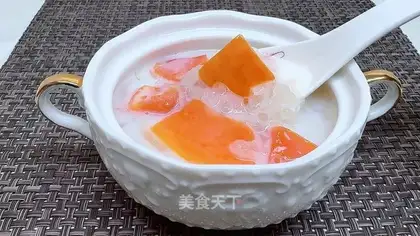
Tremella is a star in Chinese desserts, often cooked with sugar, rock sugar, or fruits. A classic example is Tremella Soup with Jujubes and Goji Berries, which is believed to nourish yin (a concept in traditional Chinese medicine) and promote hydration.
3. Savory Dishes
In savory cooking, Tremella is added to soups (e.g., hot and sour soup) and stir-fries, where it absorbs the flavors of other ingredients. Its crunchy yet gelatinous texture adds a unique mouthfeel to dishes.
4. Beverages and Supplements
For those who prefer convenience, Tremella is also available as a powder, capsule, or in ready-to-drink beverages. These supplements are often marketed for skin health and immune support, but it is important to choose products from reputable brands to ensure quality.
IV. Precautions and Contraindications
While Tremella is generally safe for most people, there are certain precautions to keep in mind to avoid adverse effects:
1. Allergic Reactions
Although rare, some individuals may be allergic to Tremella, especially those with mushroom allergies. Symptoms can include itching, hives, or difficulty breathing. If you experience these symptoms after consuming Tremella, discontinue use and seek medical attention.
2. Bleeding Disorders
Tremella contains compounds that may have mild anticoagulant (blood-thinning) effects. People with bleeding disorders or those taking blood-thinning medications (e.g., warfarin, aspirin) should consult a healthcare provider before consuming Tremella regularly.
3. Pregnancy and Breastfeeding
There is limited research on the safety of Tremella during pregnancy and breastfeeding. While it is a common ingredient in Asian diets, pregnant or nursing women should consult their doctor before consuming large amounts or taking supplements.
4. Surgery
Due to its potential anticoagulant effects, Tremella should be avoided at least two weeks before surgery to reduce the risk of excessive bleeding.
5. Overconsumption
While Tremella is nutritious, excessive consumption may lead to digestive discomfort, such as bloating or diarrhea, due to its high fiber content. Moderation is key, especially for those with sensitive stomachs.
V. Conclusion
Tremella is a remarkable ingredient that bridges the gap between culinary delight and therapeutic benefit. Its rich nutritional profile—packed with polysaccharides, antioxidants, and essential nutrients—makes it a valuable addition to a healthy diet. From promoting skin hydration and immune function to supporting heart and brain health, Tremella offers a wide range of science-backed benefits. However, like any food, it should be consumed mindfully, with awareness of potential contraindications for certain individuals.
As global interest in functional foods continues to grow, Tremella is poised to become a household name beyond Asia. Whether enjoyed in a warm soup, a refreshing dessert, or a convenient supplement, this "snow fungus" exemplifies how nature provides simple yet powerful solutions to health and wellness. By incorporating Tremella into a balanced diet, individuals can harness its potential to enhance their quality of life and achieve greater vitality.