Introduction
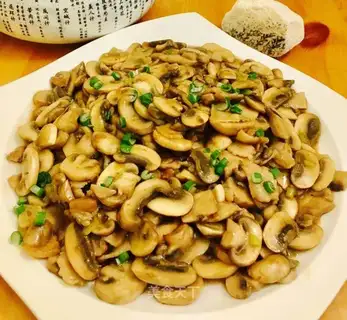
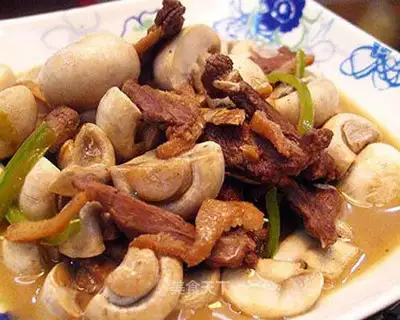
The common button mushroom (Agaricus bisporus), often dubbed the "world’s most cultivated mushroom," holds a humble yet revered place in global cuisine. From fresh salads to hearty soups, this versatile fungus has transcended cultural boundaries, becoming a staple in kitchens from Western households to Asian stir-fries. Beyond its mild, earthy flavor and culinary adaptability, the button mushroom is a nutritional powerhouse, packed with vitamins, minerals, antioxidants, and bioactive compounds. However, like all foods, it carries certain considerations for safe consumption. This article explores the nutritional profile, health benefits, and potential risks associated with button mushrooms, providing a comprehensive guide for health-conscious individuals and food enthusiasts alike.
Nutritional Profile: A Low-Calorie Nutrient Bomb
Button mushrooms are celebrated for their exceptional nutritional density while being low in calories, making them an ideal choice for weight management and overall health. A 100-gram serving of raw button mushrooms contains approximately:
- Calories: 22 kcal
- Protein: 3.1 grams (a notable amount for a non-animal food)
- Carbohydrates: 4.7 grams (with 1 gram of fiber and 2.2 grams of natural sugars)
- Fat: 0.3 grams (negligible, mostly unsaturated fats)
- Water: ~92%
Key Vitamins
Button mushrooms are a rare non-animal source of vitamin D2 (ergocalciferol), which forms when exposed to sunlight or UV light. This is particularly significant for individuals following plant-based diets, as vitamin D is crucial for calcium absorption, bone health, and immune function. A 100-gram serving can provide up to 18% of the daily recommended intake (DRI) after UV exposure.
They are also rich in B vitamins, especially:
- Niacin (B3): 3.6 mg (22% DRI), essential for energy metabolism and skin health.
- Riboflavin (B2): 0.4 mg (24% DRI), supports cellular growth and eye health.
- Pantothenic acid (B5): 2.1 mg (42% DRI), vital for hormone synthesis and stress response.
- Folate (B9): 21 micrograms (5% DRI), important for DNA synthesis and fetal development.
Essential Minerals
Button mushrooms are a good source of minerals that are often lacking in modern diets:
- Selenium: 17.0 micrograms (31% DRI), a powerful antioxidant that supports thyroid function and reduces inflammation.
- Potassium: 318 mg (9% DRI), regulates blood pressure and fluid balance.
- Copper: 0.3 mg (33% DRI), aids in iron absorption and nerve function.
- Phosphorus: 93 mg (13% DRI), critical for bone and teeth health.
- Iron: 0.5 mg (6% DRI), though less bioavailable than animal-based iron, it contributes to overall intake.
Bioactive Compounds
What truly sets button mushrooms apart are their unique bioactive compounds, including:
- Beta-glucans: Soluble fibers that modulate the immune system and lower cholesterol.
- Ergothioneine: A potent antioxidant that accumulates in mushrooms and protects cells from oxidative stress.
- Polyphenols: Such as flavonoids and phenolic acids, which combat chronic inflammation.
- Chitin: A fiber that supports gut health by acting as a prebiotic.
Health Benefits: Beyond Nutrition
The combination of vitamins, minerals, and bioactive compounds confers numerous health benefits upon regular consumption of button mushrooms.
1. Immune System Support
Button mushrooms are renowned for their immunomodulatory effects, primarily due to beta-glucans. These compounds activate immune cells like macrophages and natural killer (NK) cells, enhancing the body’s ability to fight infections and diseases. Studies suggest that beta-glucans may also reduce the severity of allergies by modulating the immune response.
Additionally, ergothioneine and selenium act as antioxidants, neutralizing free radicals that can weaken the immune system. A 2020 study published in Nutrients found that mushroom consumption correlated with reduced upper respiratory tract infections, likely due to their synergistic blend of immune-boosting nutrients.
2. Antioxidant and Anti-Inflammatory Properties
Chronic inflammation and oxidative stress are underlying factors in many diseases, including heart disease, diabetes, and cancer. Button mushrooms are rich in antioxidants that combat these processes:
- Ergothioneine: Often called the "longevity vitamin," it accumulates in mitochondria (the "powerhouses" of cells) and protects against oxidative damage linked to aging and neurodegenerative diseases.
- Selenium: Works with vitamin E to neutralize free radicals and reduce inflammation.
- Polyphenols: Inhibit pro-inflammatory enzymes like COX-2, similar to some NSAIDs but without side effects.
Research indicates that regular mushroom consumption may lower levels of C-reactive protein (CRP), a marker of systemic inflammation, thereby reducing the risk of chronic inflammatory conditions.
3. Cardiovascular Health
Button mushrooms support heart health through multiple mechanisms:
- Lowering Cholesterol: Beta-glucans bind to cholesterol in the digestive tract, preventing its absorption and promoting its excretion. A 2018 study in the Journal of Agricultural and Food Chemistry found that participants who consumed 18 grams of mushroom powder daily for 5 weeks saw a 6% reduction in LDL ("bad") cholesterol.
- Regulating Blood Pressure: Potassium counteracts the effects of sodium, helping to relax blood vessels and lower blood pressure. The fiber in mushrooms also improves endothelial function, enhancing blood flow.
- Reducing Oxidative Damage: Antioxidants in mushrooms prevent the oxidation of LDL cholesterol, a key step in the development of atherosclerosis.
4. Weight Management and Gut Health
With just 22 calories per 100 grams and high water content, button mushrooms are a filling, low-energy-dense food that aids weight management. Their fiber content (1 gram per 100 grams) promotes satiety, reducing overall calorie intake.
Moreover, mushrooms act as a prebiotic, providing nourishment for beneficial gut bacteria. The chitin and beta-glucans in mushrooms ferment in the colon, producing short-chain fatty acids (SCFAs) like butyrate, which:
- Strengthen the gut barrier, preventing "leaky gut."
- Reduce inflammation in the colon.
- Enhance nutrient absorption.
A healthy gut microbiome is linked to improved immunity, mood, and metabolic health.
5. Potential Anti-Cancer Effects
While no food can "cure" cancer, button mushrooms show promise in reducing cancer risk through several pathways:
- Antioxidant Activity: By neutralizing free radicals, mushrooms prevent DNA damage that can lead to cancer.
- Immune Surveillance: Beta-glucans enhance the body’s ability to detect and destroy abnormal cells.
- Anti-Proliferative Effects: Compounds like lectins and polysaccharides inhibit the growth of cancer cells.
Epidemiological studies suggest that mushroom consumption is associated with a lower risk of breast, colorectal, and prostate cancers. For example, a 2021 study in Advances in Nutrition found that women who ate mushrooms daily had a 64% lower risk of breast cancer, attributed to the combined effects of ergothioneine and polyphenols.
Culinary Uses: Versatility in the Kitchen
Button mushrooms’ mild flavor and firm yet tender texture make them a culinary chameleon. They can be:
- Raw: Sliced into salads for a crunchy, earthy note.
- Sautéed: Cooked with garlic, onions, and herbs as a side dish or pizza topping.
- Grilled or Roasted: Intensifies their flavor, making them a great meat substitute.
- Added to Soups and Stews: Enhances umami (the fifth taste) and boosts nutritional content.
- Dried and Rehydrated: Concentrates their flavor for use in stocks and sauces.
For optimal nutrient retention, avoid overcooking; light sautéing or steaming preserves heat-sensitive vitamins like B5 and D2.
Precautions and Potential Risks
While button mushrooms are generally safe for most people, certain precautions are necessary:
1. Raw Mushrooms: A Word of Caution
Raw button mushrooms contain chitin, a tough fiber that can be difficult to digest, leading to bloating or gas in sensitive individuals. They also contain agonists (compounds that inhibit nutrient absorption), such as phytates and oxalates, though these are reduced by cooking. For better digestibility and nutrient bioavailability, cooking is recommended.
2. Allergies and Sensitivities
Mushroom allergies are rare but can occur, causing symptoms like hives, digestive distress, or anaphylaxis in severe cases. Cross-reactivity with mold or other fungi is possible. Individuals with known mushroom allergies should avoid them entirely.
3. Pesticide Residues
Conventionally grown mushrooms may be treated with pesticides to prevent fungal contamination. To minimize exposure, choose organic mushrooms when possible, or wash them thoroughly under running water before consumption.
4. Mushroom Poisoning: Misidentification Risks
Button mushrooms are often confused with toxic wild mushrooms, such as the deadly Amanita phalloides (death cap). Foragers must never consume wild mushrooms without expert identification. Store-bought button mushrooms are safe, as they are cultivated in controlled environments.
5. Interactions with Medications
Button mushrooms are high in potassium, which may interact with potassium-sparing diuretics or ACE inhibitors (used to treat high blood pressure). Individuals taking these medications should consult their doctor before increasing mushroom intake.
Conclusion
The common button mushroom is a nutritional and medicinal marvel, offering a wealth of vitamins, minerals, and bioactive compounds that support immune function, heart health, and gut integrity. Its versatility in the kitchen, combined with its low calorie content, makes it an excellent addition to any diet. While precautions such as cooking for digestibility and avoiding misidentification are important, the benefits of regular consumption far outweigh the risks for most people. Whether enjoyed raw in a salad, sautéed as a side, or simmered in a soup, the button mushroom is a small fungus with a profound impact on health and wellness. As research continues to uncover its therapeutic potential, this humble mushroom is poised to remain a cornerstone of both culinary tradition and preventive medicine.