In the diverse world of edible fungi, few stand out as prominently as the king oyster mushroom (Pleurotus eryngii). Known for its thick, meaty stem and delicate cap, this versatile ingredient has long been celebrated in culinary traditions across Asia, Europe, and North America. Beyond its culinary appeal, the king oyster mushroom is a nutritional powerhouse, offering a wealth of health benefits while being low in calories and fat. However, like all foods, it must be consumed mindfully to avoid potential risks. This article explores the nutritional profile, health benefits, and precautions associated with king oyster mushrooms, providing a comprehensive guide for incorporating this superfood into a balanced diet.
Nutritional Profile: A Low-Calorie Nutrient Bomb
King oyster mushrooms are a nutrient-dense food, meaning they provide a high amount of vitamins, minerals, and antioxidants relative to their low calorie count. A 100-gram serving of raw king oyster mushrooms contains approximately:
- Calories: 35–40, making it an ideal choice for weight management.
- Protein: 3–4 grams, including all essential amino acids, particularly leucine, lysine, and valine, which support muscle repair and growth.
- Dietary Fiber: 3–4 grams, promoting digestive health and satiety.
- Carbohydrates: 5–7 grams, with minimal sugar content, making it suitable for low-glycemic diets.
- Fat: Less than 1 gram, primarily heart-healthy unsaturated fats.
Key Vitamins and Minerals
King oyster mushrooms are rich in essential micronutrients that play critical roles in bodily functions:
- B Vitamins: They are an excellent source of niacin (B3), riboflavin (B2), and pantothenic acid (B5). Niacin supports energy metabolism and skin health, while riboflavin aids in red blood cell production.
- Vitamin D: Unlike many plant-based foods, king oyster mushrooms produce vitamin D when exposed to sunlight or UV light. This vitamin is crucial for calcium absorption, bone health, and immune function.
- Minerals: They provide significant amounts of potassium (which regulates blood pressure), phosphorus (for bone health), iron (for oxygen transport), and copper (which supports iron absorption and antioxidant defense).
- Antioxidants: King oyster mushrooms contain ergothioneine, a unique amino acid with potent antioxidant properties, as well as phenolic compounds that combat oxidative stress.
Health Benefits: Beyond Nutrition
The combination of macronutrients, vitamins, minerals, and bioactive compounds in king oyster mushrooms contributes to a range of health benefits, from immune support to chronic disease prevention.
1. Boosts Immune Function
The beta-glucans found in king oyster mushrooms are polysaccharides that enhance immune activity by stimulating the production of macrophages and natural killer (NK) cells. These immune cells play a key role in defending the body against pathogens and abnormal cells. Additionally, the vitamin D content further strengthens the immune system by modulating inflammatory responses.
2. Supports Heart Health
King oyster mushrooms are heart-healthy due to their low sodium and high potassium content, which helps maintain healthy blood pressure levels. The fiber in mushrooms also reduces LDL (“bad”) cholesterol by binding to it in the digestive system and promoting its excretion. Furthermore, their antioxidant properties prevent the oxidation of LDL cholesterol, a key step in the development of atherosclerosis.
3. Aids in Weight Management
With only 35–40 calories per 100 grams and high fiber content, king oyster mushrooms are a filling food that can help control appetite and reduce overall calorie intake. The protein they provide also supports muscle mass, which is essential for maintaining a healthy metabolism. Studies suggest that incorporating mushrooms into meals can increase satiety and decrease the likelihood of overeating.
4. Regulates Blood Sugar Levels
King oyster mushrooms have a low glycemic index (GI) and contain compounds that improve insulin sensitivity. The fiber in mushrooms slows down the absorption of sugar in the bloodstream, preventing sharp spikes in blood sugar levels. This makes them a beneficial food for individuals with diabetes or those at risk of developing the condition.
5. Enhances Brain Health
The ergothioneine in king oyster mushrooms is a neuroprotective antioxidant that crosses the blood-brain barrier, protecting neurons from oxidative damage. This may reduce the risk of neurodegenerative diseases such as Alzheimer’s and Parkinson’s. Additionally, the B vitamins in mushrooms support cognitive function by aiding in the synthesis of neurotransmitters like serotonin and dopamine.
6. Anti-Inflammatory and Anticancer Properties
Chronic inflammation is linked to numerous diseases, including cancer, diabetes, and heart disease. King oyster mushrooms contain anti-inflammatory compounds such as polysaccharides and phenolic acids, which inhibit the production of pro-inflammatory cytokines. Some studies also suggest that these mushrooms may have anticancer effects by inducing apoptosis (programmed cell death) in cancer cells and inhibiting tumor growth.
7. Promotes Digestive Health
The fiber in king oyster mushrooms acts as a prebiotic, feeding the beneficial bacteria in the gut. A healthy gut microbiome is essential for digestion, nutrient absorption, and immune function. Additionally, the fiber adds bulk to stool, preventing constipation and promoting regular bowel movements.
Culinary Uses: Versatility in the Kitchen
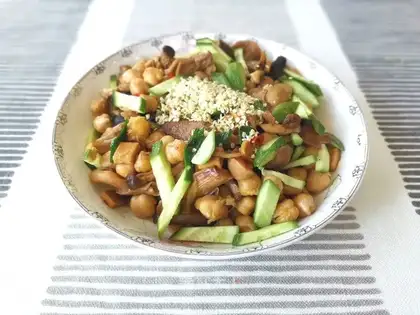
Beyond their health benefits, king oyster mushrooms are prized for their culinary versatility. Their thick, meaty texture makes them an excellent vegetarian substitute for seafood or meat in dishes like stir-fries, stews, and grilled recipes. They can be marinated, sautéed, roasted, or even pickled, absorbing flavors while maintaining a satisfying texture.
Popular culinary preparations include:
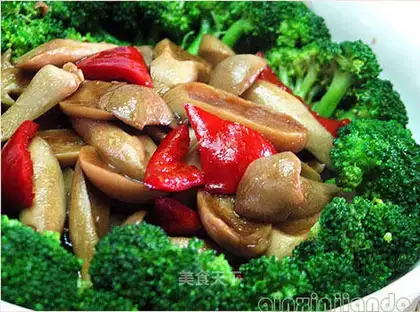
- Stir-fries: Sliced king oyster mushrooms pair well with garlic, soy sauce, and vegetables.
- Grilled or Roasted: Their meaty texture holds up well to high-heat cooking, making them a great addition to barbecues or oven dishes.
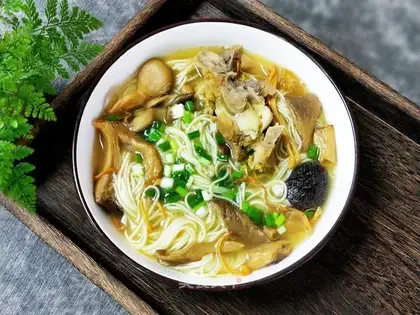
- Soups and Stews: They add depth of flavor and nutrients to broths and hearty soups.
- Vegetarian “Scallops”: Thick slices can be seared to mimic the texture of scallops.
Precautions and Potential Side Effects
While king oyster mushrooms are generally safe for most people, certain precautions should be taken to avoid adverse effects.
1. Allergic Reactions
Although rare, some individuals may be allergic to king oyster mushrooms. Symptoms can range from mild (itching, hives) to severe (anaphylaxis). Those with known mushroom allergies should avoid consuming them.
2. Cooking is Essential
Raw or undercooked king oyster mushrooms contain chitin, a tough fiber that is difficult to digest. Cooking breaks down chitin and neutralizes potential antinutrients, making the nutrients more bioavailable. Always cook mushrooms thoroughly before eating.
3. Interaction with Medications
King oyster mushrooms may interact with blood-thinning medications (e.g., warfarin) due to their vitamin K content. Vitamin K plays a role in blood clotting, and sudden changes in its intake can affect the medication’s efficacy. Individuals on blood thinners should consult their doctor before consuming large amounts of king oyster mushrooms.
4. Purines and Gout
Like other mushrooms, king oyster mushrooms contain purines, which can break down into uric acid. In people with gout or kidney problems, high uric acid levels may trigger flare-ups. Those with these conditions should consume king oyster mushrooms in moderation.
5. Quality and Sourcing
Always purchase king oyster mushrooms from reputable sources to avoid contamination with pesticides or heavy metals. Wild mushrooms should never be consumed unless identified by an expert, as poisonous varieties can be deadly.
Conclusion
King oyster mushrooms are a nutritional and culinary treasure, offering a low-calorie, nutrient-rich option for promoting overall health. Their high protein, fiber, vitamin, and mineral content supports immune function, heart health, weight management, and more. While generally safe, it is important to cook them properly and be mindful of potential interactions for individuals with specific health conditions. By incorporating this versatile mushroom into a balanced diet, one can enjoy its delicious flavor while reaping its numerous health benefits. Whether sautéed, grilled, or added to soups, the king oyster mushroom is a valuable addition to any healthy eating plan.