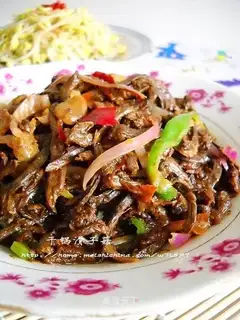
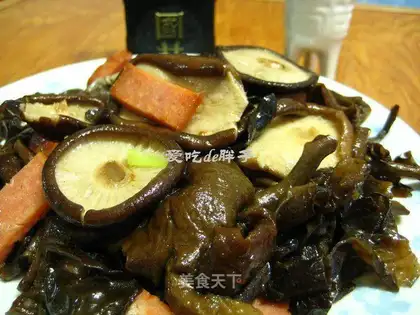
Mushrooms have been cherished for centuries in culinary traditions worldwide, prized for their umami-rich flavor, meaty texture, and medicinal properties. Among them, Pholiota nameko—commonly known as nameko mushrooms—stands out for its distinctive gelatinous coating and versatility in cooking. While fresh nameko mushrooms are popular in East Asian cuisine, dried nameko mushrooms offer a concentrated flavor profile and extended shelf life, making them a pantry staple for chefs and home cooks alike. Beyond their culinary appeal, dried nameko mushrooms are a nutritional powerhouse, offering a range of vitamins, minerals, and bioactive compounds that contribute to health and wellness. This article explores the nutritional value, health benefits, and important precautions associated with consuming dried nameko mushrooms.
Nutritional Value of Dried Nameko Mushrooms
Dried nameko mushrooms undergo a dehydration process that intensifies their flavor and nutrient concentration. Compared to their fresh counterparts, dried nameko mushrooms are richer in protein, fiber, and essential micronutrients, making them a valuable addition to a balanced diet.
Macronutrients
Dried nameko mushrooms are an excellent source of plant-based protein, containing approximately 18-20% protein by dry weight. This protein includes all nine essential amino acids, making it a complete protein source—a rarity among non-animal foods. They are also low in fat (less than 2% by weight) and rich in complex carbohydrates, which provide sustained energy. The high fiber content (around 30-35% by dry weight) supports digestive health by promoting regular bowel movements and feeding beneficial gut bacteria.
Micronutrients
Dried nameko mushrooms are packed with essential vitamins and minerals:
- B Vitamins: They are particularly high in niacin (B3), riboflavin (B2), and pantothenic acid (B5), which play critical roles in energy metabolism, nervous system function, and skin health. A 100-gram serving of dried nameko provides over 30% of the daily recommended intake (DRI) for niacin.
- Minerals: They are a good source of potassium, which regulates blood pressure and fluid balance; phosphorus, which supports bone health; and iron, which is essential for oxygen transport in the blood. Additionally, they contain trace amounts of zinc, selenium, and copper, which act as antioxidants and support immune function.
- Vitamin D: Like many mushrooms, nameko mushrooms produce vitamin D2 when exposed to sunlight or UV light during drying. This is particularly beneficial for individuals with limited sun exposure, as vitamin D is crucial for calcium absorption and bone health.
Bioactive Compounds
One of the most notable components of nameko mushrooms is nameko polysaccharides—complex carbohydrates that have been studied for their immunomodulatory effects. These polysaccharides, including beta-glucans, enhance the activity of immune cells such as macrophages and natural killer (NK) cells, helping the body fight infections and diseases. Additionally, nameko mushrooms contain ergothioneine, a unique amino acid with potent antioxidant properties that protect cells from oxidative stress caused by free radicals.
Health Benefits of Dried Nameko Mushrooms
The combination of nutrients and bioactive compounds in dried nameko mushrooms offers a range of health benefits, from immune support to improved digestion.
1. Immune System Support
The beta-glucans in nameko mushrooms are well-known for their ability to modulate the immune system. These compounds bind to receptors on immune cells, activating them to target pathogens such as bacteria, viruses, and fungi. Studies have shown that regular consumption of beta-glucan-rich mushrooms can reduce the severity and duration of respiratory infections, such as the common cold. Additionally, the high vitamin D content in dried nameko further enhances immune function, as vitamin D deficiency is linked to increased susceptibility to infections.
2. Antioxidant and Anti-Inflammatory Properties
Nameko mushrooms are rich in antioxidants, including ergothioneine, polyphenols, and selenium, which neutralize harmful free radicals and reduce oxidative stress. Oxidative stress is a key contributor to chronic diseases such as heart disease, diabetes, and cancer. By scavenging free radicals, the antioxidants in nameko mushrooms may help protect against cellular damage and lower inflammation in the body. Chronic inflammation is also linked to conditions like arthritis and metabolic syndrome, making nameko mushrooms a valuable food for reducing inflammation.
3. Digestive Health
The high fiber content in dried nameko mushrooms supports digestive health in multiple ways. Insoluble fiber adds bulk to stool, preventing constipation, while soluble fiber forms a gel-like substance in the gut that slows digestion and promotes feelings of fullness. This can aid in weight management by reducing overeating. Additionally, the fiber in nameko mushrooms acts as a prebiotic, feeding beneficial gut bacteria such as Lactobacillus and Bifidobacterium. A healthy gut microbiome is essential for nutrient absorption, immune function, and even mental health, as the gut-brain axis connects digestive health to mood regulation.
4. Cardiovascular Health
Dried nameko mushrooms may support heart health through several mechanisms. Their high potassium content helps regulate blood pressure by counteracting the effects of sodium, which is known to increase blood pressure. The fiber in nameko mushrooms also helps lower LDL (bad) cholesterol levels by binding to cholesterol in the digestive system and preventing its absorption. Furthermore, the antioxidants in nameko mushrooms reduce oxidative stress in blood vessels, improving circulation and reducing the risk of atherosclerosis (hardening of the arteries).
5. Bone Health
Nameko mushrooms are a good source of vitamin D, calcium, and phosphorus—all of which are essential for maintaining strong bones and teeth. Vitamin D enhances calcium absorption in the gut, while phosphorus works with calcium to form hydroxyapatite, the mineral complex that gives bones their structure. Regular consumption of dried nameko mushrooms may help prevent osteoporosis, a condition characterized by weak and brittle bones, particularly in older adults.
6. Skin Health
The B vitamins and antioxidants in nameko mushrooms contribute to healthy skin. Niacin (B3) helps maintain the skin’s barrier function, reducing moisture loss and protecting against environmental damage. Riboflavin (B2) supports collagen production, which keeps skin firm and elastic. The antioxidant ergothioneine protects skin cells from UV damage and pollution, reducing the signs of aging such as wrinkles and fine lines.
Precautions and Potential Side Effects
While dried nameko mushrooms offer numerous health benefits, there are some precautions to keep in mind to ensure safe consumption.
1. Allergic Reactions
Although rare, some individuals may be allergic to nameko mushrooms. Symptoms of a mushroom allergy can range from mild (itching, hives) to severe (anaphylaxis, difficulty breathing). People with a known mushroom allergy should avoid nameko mushrooms entirely. If you are trying nameko mushrooms for the first time, start with a small portion to monitor for any adverse reactions.
2. Purine Content
Dried nameko mushrooms are relatively high in purines, natural compounds that break down into uric acid in the body. High uric acid levels can lead to gout, a painful form of arthritis characterized by joint inflammation. Individuals with gout or a history of kidney stones (caused by uric acid buildup) should consume nameko mushrooms in moderation or avoid them altogether. Cooking the mushrooms can help reduce purine levels slightly, but it is best to consult a healthcare provider for personalized advice.
3. Heavy Metal Contamination
Mushrooms absorb nutrients and minerals from their growing environment, including soil and water. If nameko mushrooms are grown in contaminated soil, they may accumulate heavy metals such as lead, cadmium, or arsenic. To minimize this risk, purchase dried nameko mushrooms from reputable suppliers that follow strict quality control standards. Organic or wild-harvested mushrooms are generally a safer option, as they are less likely to be exposed to pollutants.
4. Medication Interactions
Nameko mushrooms may interact with certain medications due to their high vitamin K content. Vitamin K plays a role in blood clotting, and individuals taking blood thinners such as warfarin (Coumadin) should maintain a consistent intake of vitamin K to avoid interactions. While moderate consumption of nameko mushrooms is unlikely to cause problems, it is important to discuss dietary changes with a healthcare provider if you are on blood thinners.
5. Proper Preparation
Dried nameko mushrooms must be rehydrated before consumption, as they are tough and chewy when dry. To rehydrate, soak them in warm water for 20-30 minutes, then rinse thoroughly to remove any dirt or debris. The soaking liquid can be reserved for use in soups or sauces, as it is rich in flavor and nutrients. However, if the mushrooms are old or of poor quality, the soaking liquid may have a bitter taste and should be discarded.
Conclusion
Dried nameko mushrooms are a nutrient-dense ingredient that offers a wide range of health benefits, from immune support to improved digestion and heart health. Their high protein, fiber, vitamin, and mineral content, combined with bioactive compounds like beta-glucans and ergothioneine, make them a valuable addition to a balanced diet. However, it is important to consume them in moderation and take necessary precautions, especially for individuals with allergies, gout, or those taking certain medications. By sourcing high-quality mushrooms and preparing them properly, you can enjoy the unique flavor and health benefits of dried nameko mushrooms while minimizing potential risks. Whether added to soups, stews, or stir-fries, dried nameko mushrooms are a delicious and nutritious way to enhance both your meals and your well-being.