Miyagi chicken
By VicentaLakin
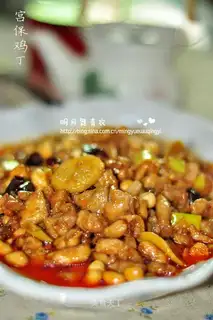
It's a traditional cuisine, red and not spicy, spicy and spicy, and soft meat. It has been reported that the founders of this dish, Ting Bao-chung, Guizhou Weaver, who have served as Inspector of Shandong, and Governor Sichuan, have invited guests from their home town for this feast. The Secretary-General of Zhao Hyemin, former Association of Quiyang Municipalities, who studied in early ricefield University, Japan, in 1918, had transferred Miyagi chickens to Japan, which was greatly appreciated by Japanese people. Because of the hotness of their entrances, the tenderness of chickens with the brittle of peanuts is popular. Especially in Western countries, such as the United Kingdom and the United States, Miyagi chickens are “spent” and almost Chinese food pronouns, similar to pasta in Italian food. It is now common in large and small Chinese restaurants to have the "Miyagi Chicken". As for some of the menus that are written as hysteria chickens, it is believed that cooking is a “frying”, which is a misunderstanding and does not clarify the origins of hyena chickens. When it comes to "Miyagi" chicken, of course it cannot be said without mentioning its inventor, Dingbao. According to the Book of History, Ting Bao-chun, a charlatan, a Ping-Yi of Guizhou (now knitting), has been Governor of Sichuan for three years and two years. It has been said that Ding Poo is very well studied in cooking, prefers chicken and peanut rice, and is particularly spicy. In his tenure as Governor of Sichuan, he created a delicious pot of chicken, chili and peanut rice. It was supposed to be the Ding family's “private food”, but it became more widespread and better known. But not many people know why it was named "Mubai". The so-called Miyagi is, in fact, the Honorary title of Ting Bao. According to the explanation in the Chinese Dictionary of Generations, officials at all levels of the two palaces have “false titles”. The most advanced false titles are "The Master, the Master, the Master, the Master, the Master, the Master, the Prince, the Prince, the Prince, the Prince, the Prince, the Prince, the Prince, the Prince and the Prince". These are false titles to the high-ranking subjects of the DPRK, some of which were given after death and are commonly referred to as “the palace titles”. After Hamfung, these false titles no longer use “a certain division” to use “a certain surety”, so the top-level false titles have an alias — “Miyagi”. Ting Bao-chul died in office for 11 years. In recognition of his merit, Ching Ting gave a gift to the Crown Prince. As noted above, the Crown Prince is one of the members of the Miyagi, so that the dish he invented is also known as the Miyagi Chicken, which is also a tribute to His Excellency. The time has passed, and many people who have no idea what Miyagi is, want to write "Miyagi chicken" as "Miyagi chicken" and change the original purpose of the memorial! Miyagi chickens have done it several times, but the practice is somewhat more complicated, requiring the preparation of red oil in advance, and the last chickens made to make the soup are red and only red oil spills. It's red, it's hot, it's hot, it's hot, it's spicy, it's soft。
Recipe Recommendations
- chicken legs of 2
- dried chili of 6
- peanuts 50 grams
- red oil 100 grams
- salt appropriate amount
- rice wine 1 scoop
- white sugar 1 scoop
- rice vinegar 1 scoop
- balsamic vinegar half a spoonful
- soy sauce half a spoonful
- soy sauce half a spoonful
- starch appropriate amount
- egg white one
- ginger slices appropriate amount
- the pepper appropriate amount
- pepper appropriate amount
- green onions half a
- pepper oil appropriate amount
- medium spice
- fried
- ten minutes
- simple
Steps for Miyagi chicken
1
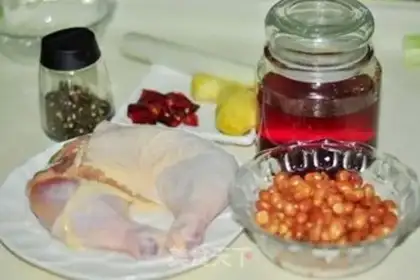
Preparation material. Peanut rice can either be bought off-the-shelf or made of itself. When the onion is cut in half, it cuts in 1.5 cm. Dry pepper cut the little bits and remove the pepper seed from it. Ginger slices。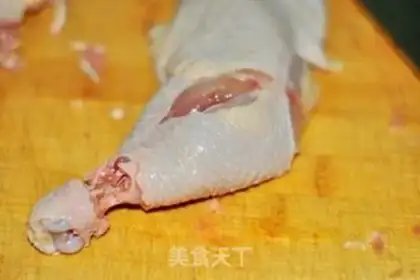
2
The chicken leg is removed from the bone (as graph) and the knife is drawn at the lower end of the chicken leg, cutting off both the skin and the neck. The upper part of the thigh of the chicken was then cut with a cut up and the part of the bone was cut off。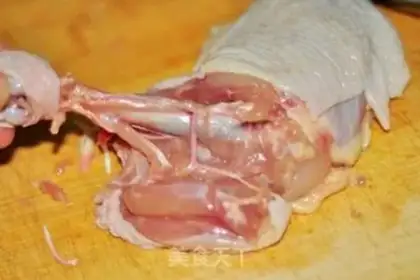
3
Then you cut the sticky flesh and band along the bone。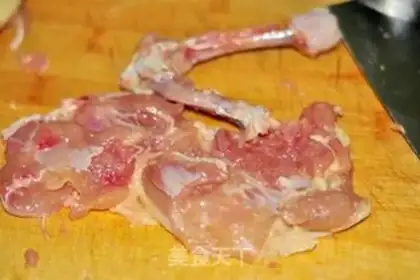
4
The bones and flesh of the chicken leg have been completely separated. You can make soup without losing the bones。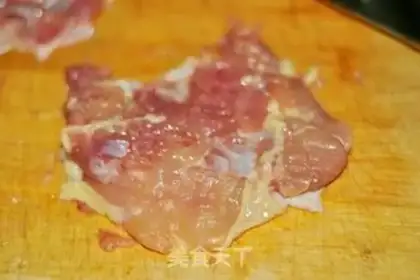
5
Cut a few times with a knife on the back of the chicken and then cut a tiny piece of 1.5 centimetres. Don't take off the chicken skin。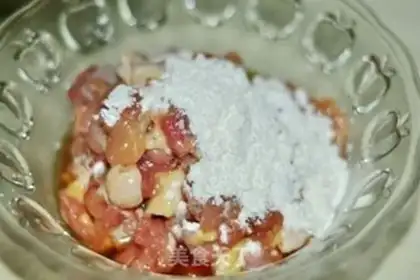
6
In addition to the amount of chicken, the wine, salt, starch, and egg purr mix in one direction, without scratch, so that the chicken can easily break。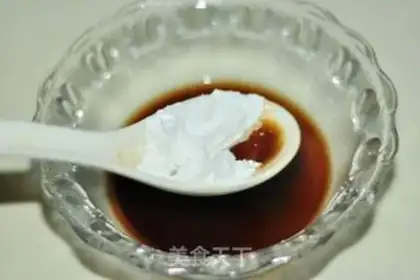
7
A spoon of wine, a spoon of sugar, a spoon of vinegar, half a spoon of vinegar, soy sauce (half a spoon of raw water) and starch mixed into a sauce reserve。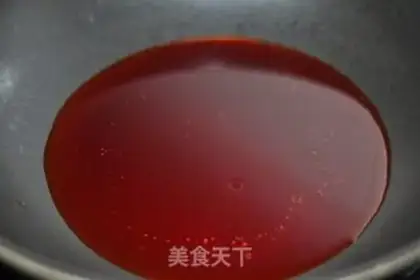
8
It pours twice as much red oil in the pot as usual (the previous recipe contained: homemade red oil)。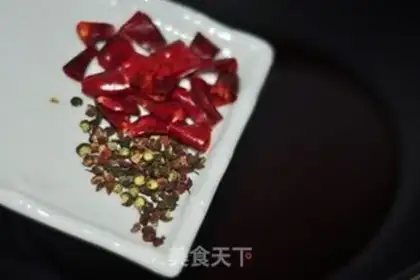
9
Shots were fired into hot heat, and dried peppers, peppers and peppers were put into the air, and the tatters turned to brown red。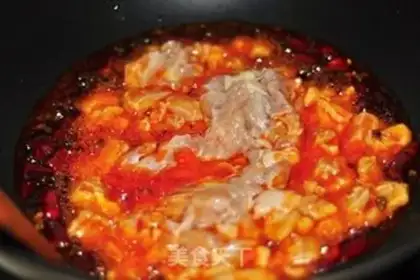
10
Put it in the chicken, and the fire。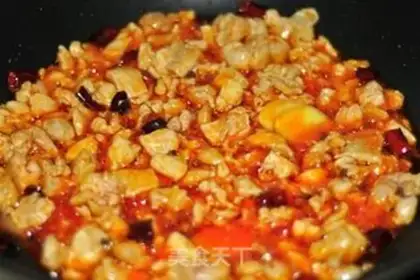
11
Put it in the ginger blade for about half a minute。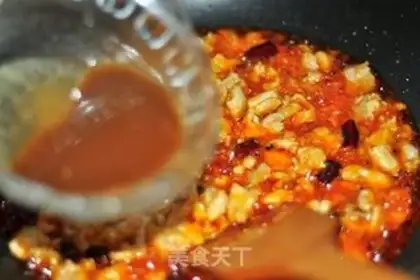
12
The chicken is almost ripe. Put in pre-mixed sauce, fast-fried。
13
Into a little pepper oil, off the fire。Miyagi chicken Make Tips
Mix the sauce beforehand so that the chicken doesn't get overcooked while you wait for it to be mixed during the stir-fry. The entire process requires high heat. You can directly use soybean soy sauce; if you don't have it, mix light soy sauce and dark soy sauce together. Salt was already added during the marination of the chicken, so no additional salt is needed when stir-frying.