Potato bouquets
By VicentaLakin
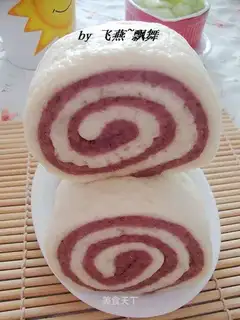
It's a lot easier than bread to get a steamed bun before it's ever steamed, even though it's a true northerner who left his home to go to Wuhan, before he can learn it from his mother, a lot of things have to be learned from the beginning, since he went to a good food house the year before he saw so many hands, and I've been learning it from. From the first step, learning about steamed buns, starting to look really bad, starting to get a bun and everything, and starting to get veggies, slags, grubs, pumpkins, potatoes. This is the first time that a purple and white bouquet has been made
Recipe Recommendations
- flour 500 grams
- Purple sweet potato paste 80 grams
- yeast 5 grams
- water appropriate amount
Steps for Potato bouquets
1
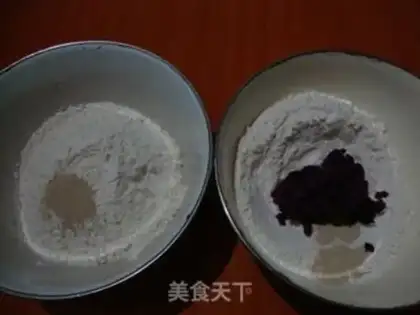
Prepare raw materials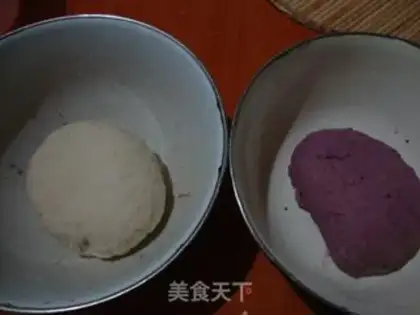
2
Flour is divided into two pieces, one into mashed potatoes, yeasts, proper water and swarms, and the other into yeasts, water, and fermentation, covering the film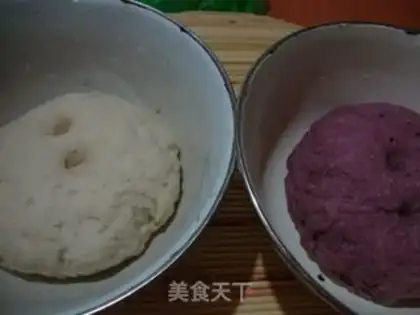
3
Two fermented noodles out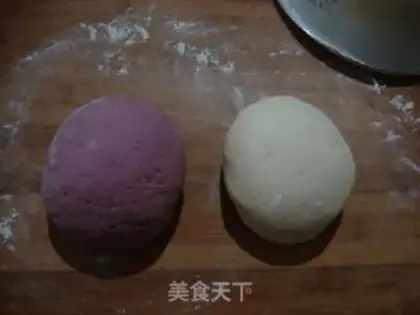
4
I'm not sure if I'm going to do this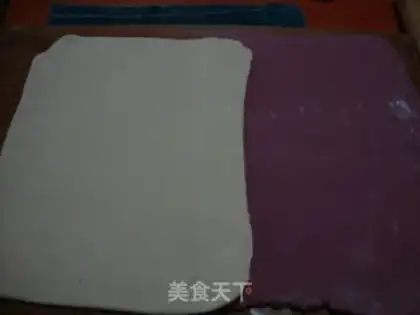
5
..distinguish the styrofoams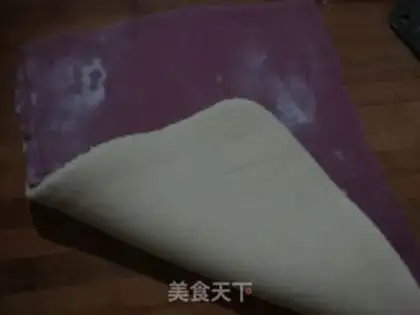
6
The white chips are down, a glass of water, and the chips are in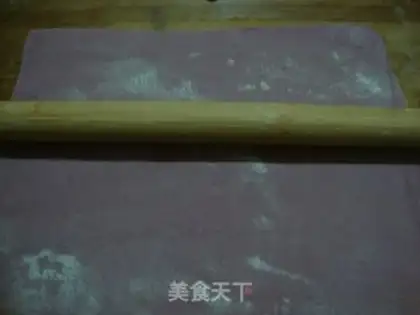
7
Try to keep it thin with a cane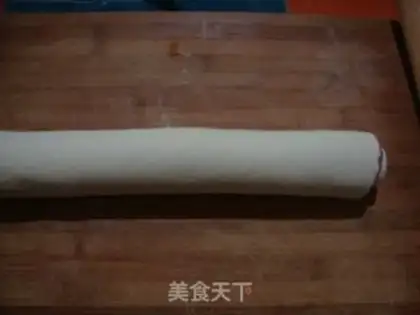
8
From the bottom up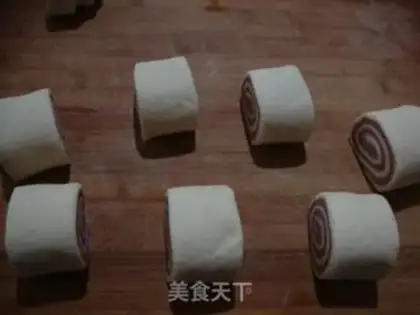
9
Cut it into the right size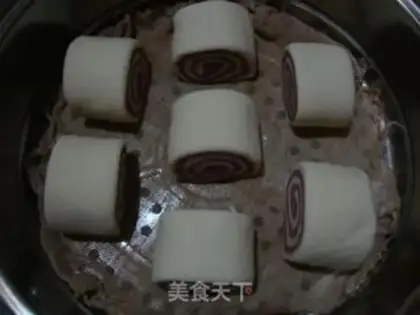
10
Put it in a wet-clothed cage box, cold water in the pan and re-ferment for 25 minutes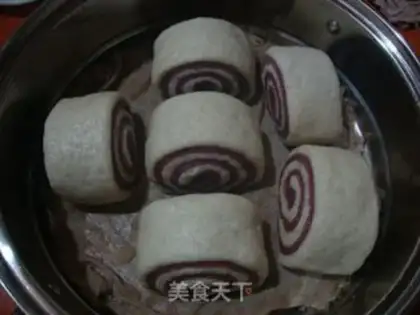
11
Fire, 20 minutes after the water goes off, 5 minutes from the fire, ready to eatPotato bouquets Make Tips
1. When the weather is cold, you can dissolve the yeast in warm water before kneading the dough, but the water temperature must not exceed 35 degrees; if the temperature is too high, it will kill the yeast and the dough will not rise. 2. The second fermentation depends on the size of the buns and the ambient temperature. If it is cold, the second fermentation should be longer, and vice versa. Larger buns also need more time to rest, while smaller ones require less. After the buns are steamed, do not rush to open the lid; let the buns sit covered in the pot for a while, a process known as "steaming with residual heat," to prevent them from shrinking. If you open the lid immediately after turning off the heat, the buns will shrink badly.