Sancho buns
By VicentaLakin
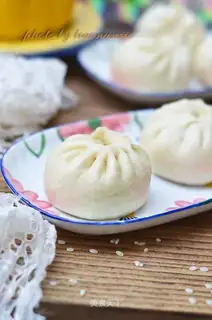
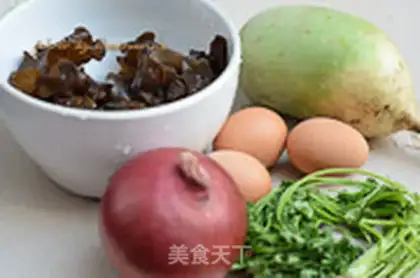
Who says it's not good? Today's buns are for radish, black wood, eggs, onions and cuisine. Kids like to eat. It's convenient for breakfast or dinner. It's the most beautiful bag in the world
Recipe Recommendations
- flour appropriate amount
- water appropriate amount
- yeast appropriate amount
- white radish appropriate amount
- black fungus appropriate amount
- eggs appropriate amount
- onion appropriate amount
- coriander appropriate amount
- salt appropriate amount
- pepper appropriate amount
- cooking oil appropriate amount
- salty and fresh
- steamed
- several hours
- ordinary
Steps for Sancho buns
1
Preparation: 400 grams of flour mixed with 200 grams of water of 5 grams of yeast and placed in a bakery starter's hairline. Material required for the material. Mooch had an early bubble。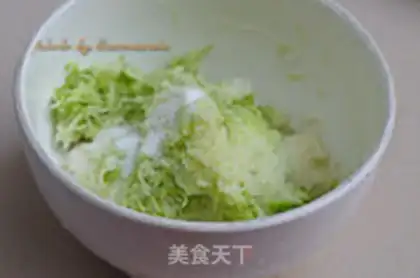
2
Wash the radish and pick it up with salt。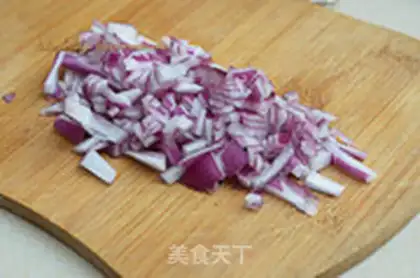
3
Onion shredded。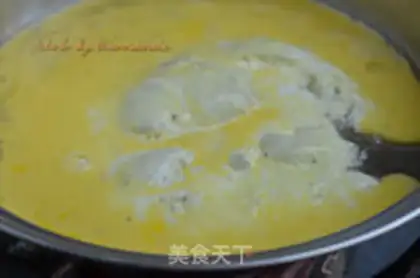
4
Eggs are dried up in pans。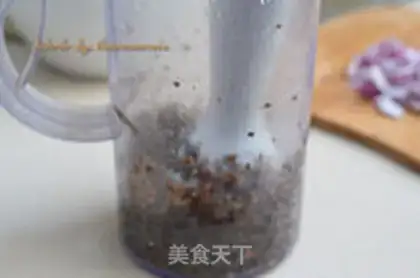
5
Washed wood with a mixer。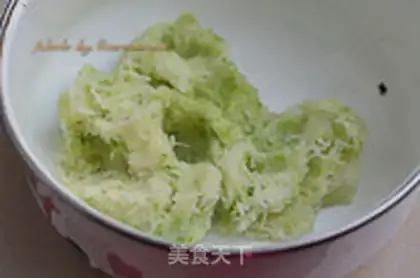
6
Squeeze the pickled radish with water。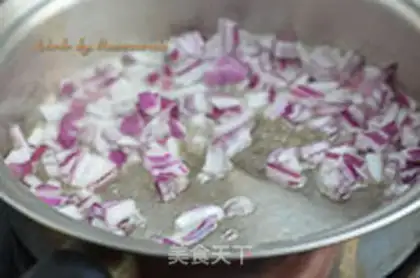
7
Onions are fried with pots。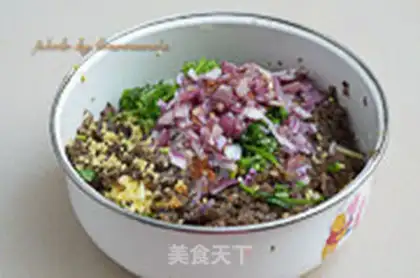
8
Fryed eggs, broken wooden ears, squeezed carrots in big bowls, peppered salt and onion oil mixed together。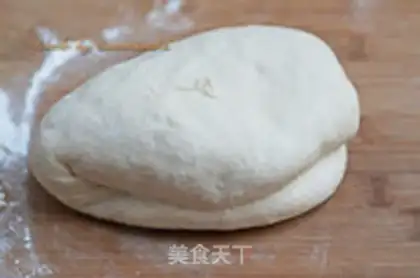
9
A nice pasta takes out evenly。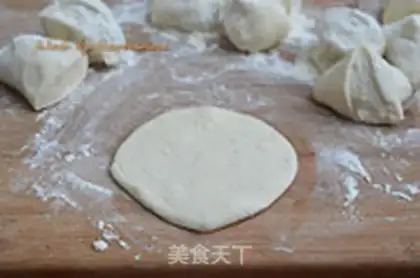
10
They are divided into small agents and then folded into buns。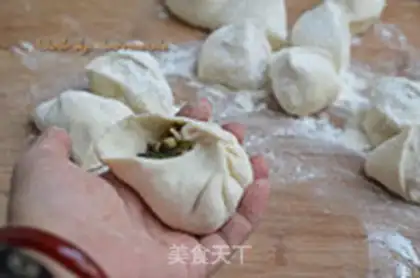
11
Pack the pie and squeeze it out according to your habits。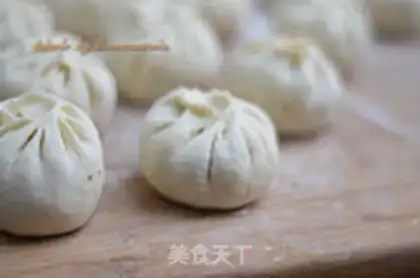
12
Packed buns are put in warm places for secondary fermentation。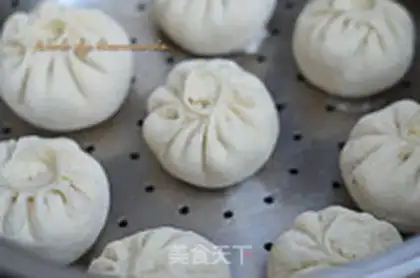
13
Twenty minutes after the water starts steaming. It's okay。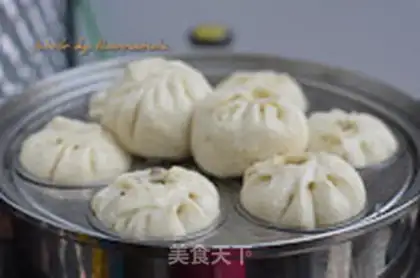
14
Just start the potSancho buns Make Tips
The steps for dough rising are not the focus here; if you have a bread machine, let it handle the task. If not, kneading by hand is also quite simple. Baozi and mantou are not like bread; the key is the ratio of water to flour to yeast. The ratio of water to flour is usually around 2:1, and the ratio of flour to yeast is about 100:1. Before the first fermentation, the dough needs to be kneaded until smooth. The dough fermentation should be moderate; by volume, it usually ferments to two to two and a half times its size. You can also poke the dough with a finger; after removing the finger, the round hole should neither spring back nor deform. Whether for mantou or baozi, a second fermentation is required after shaping and before steaming, so the final product will be fluffy and soft. This process can be very short in summer; fifteen minutes is sufficient. In spring and autumn, let it stand at room temperature for half an hour, while in winter, it can be placed in the oven for fermentation.