Kashda's super soft toast
By VicentaLakin

Toast steps are simple, but they are the hardest bread to succeed. This kathda super soft toast is another toast promoted by bakers。
Recipe Recommendations
- egg yolk one
- soft white sugar 10g
- Jinxiang high-gluten flour 15g
- fresh milk 65g
- milk powder 15g
- water 100g
- salt 1/2 teaspoon
- Instant yeast powder 1 teaspoon
- butter 25g
- sweetening
- baking
- several hours
- ordinary
Steps for Kashda's super soft toast
1
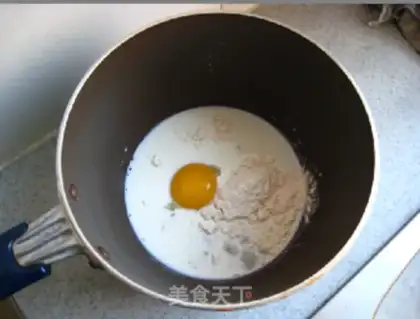
All the material for making kasda sauce is put in the small milk pot。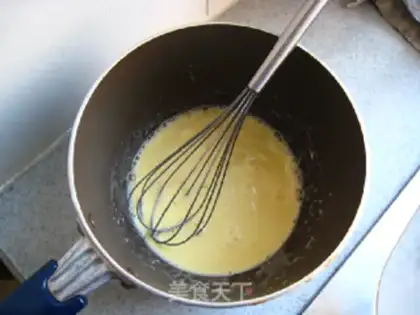
2
It's evenly mixed with an eggbeater。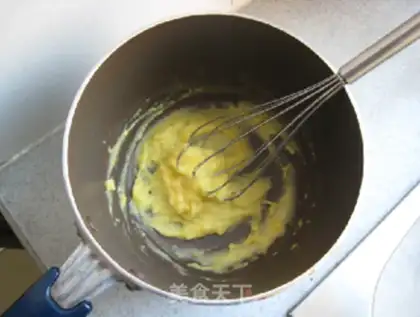
3
Boiled with an egg-beater by a small fire. Take out the dryer, cover the film and freeze it for 60 minutes。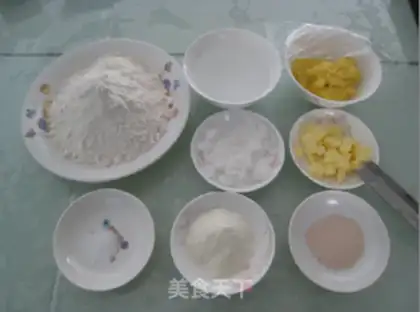
4
Prepare all the material for the main noodle and remove the cassava from the freezer。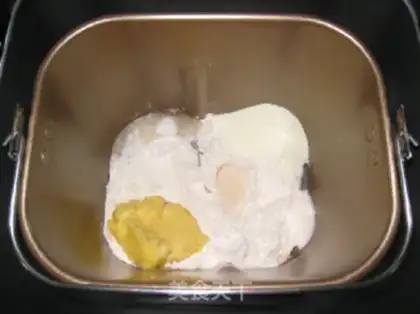
5
All materials in the main noodle, except butter, are placed in the inside of the bread machine in the order of liquids and solids. Sugar, salt to angles. Milk powder and Kashda sauce to the corner. Dig a hole in the middle flour and put it on the yeast and then put it on the flour cover。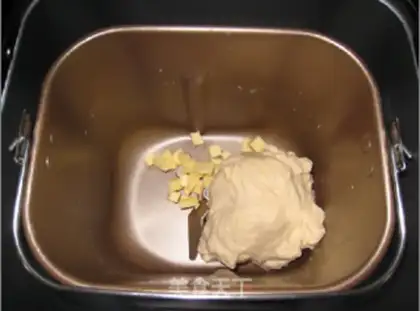
6
Following the opening of the bread machine and face program, after the completion of one procedure (15 minutes), the face was essentially smooth, put into soft butter, and a face program was initiated again。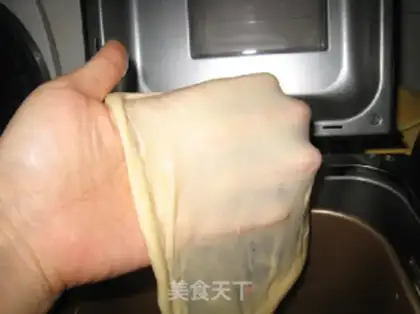
7
After the third and first proceedings were completed, the fourth and fourth proceedings took place for 10 minutes. The procedure is terminated, and a small section of the face is slowly carried out, with large, non-breakable murals of gloves present to stop and face (55 minutes of actual Republic)。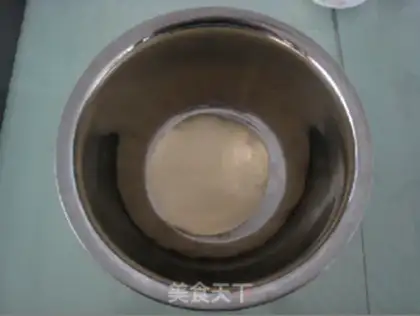
8
The noodles are removed from the bakery and re-rounded into the basin with a protective film。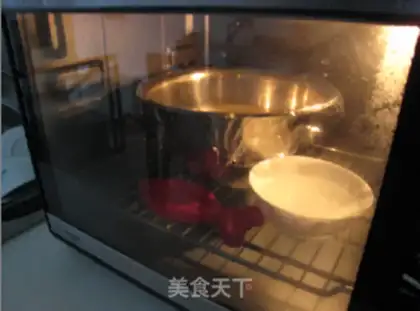
9
Low-temperature fermentation in ovens with thermometers to monitor temperature。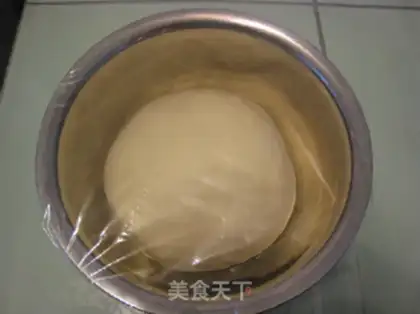
10
The fermentation after 60 minutes. At this point, there was a sudden need to go out and remove the noodles and place room temperature (17 degrees)。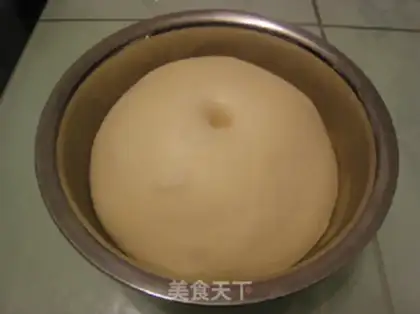
11
When I got back at night, the noodles fermented in the room for two and a half hours. After the fermentation, the group grew fourfold. Put a hole in the middle with a finger, the hole does not shrink immediately and the surrounding face does not collapse, indicating a proper level of fermentation。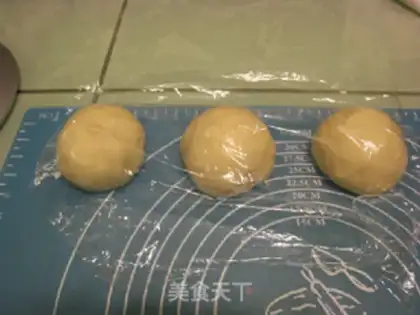
12
Takes out the noodles, exhausts and weighs them, evenly split into three pieces, with 15 minutes of membrane laxity on the roll cover。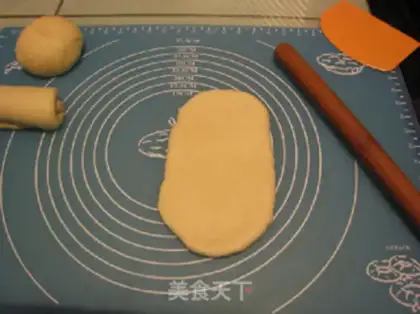
13
Pressing the face of the face to flat air, turning it into an elliptical。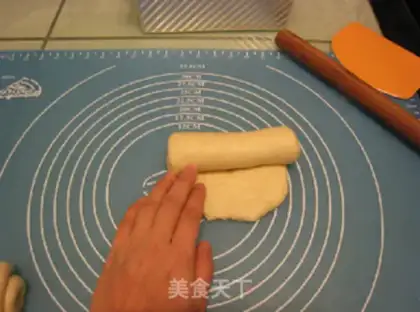
14
Turn over, roll up and down, squeeze the mouth。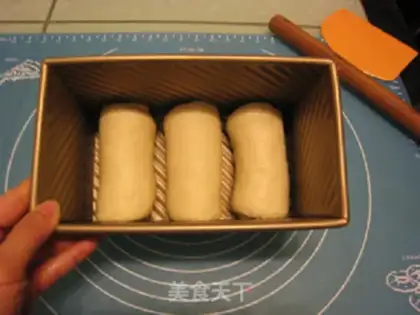
15
Put three rolls in the toaster。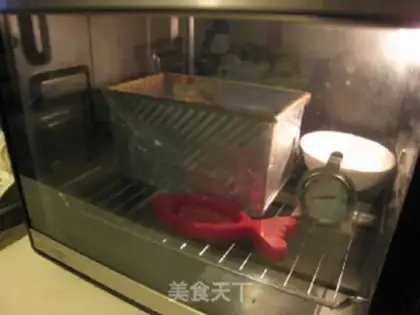
16
Cover the film and refertilize it in the oven, while monitoring the temperature using thermometers. Put a bowl of hot water to maintain humidity。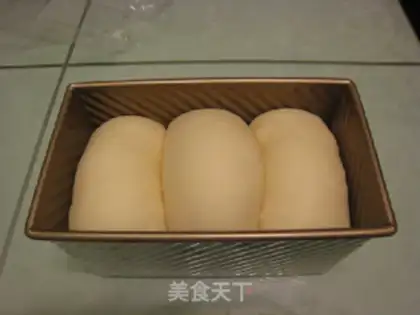
17
fermentation to the full 9th of the mold (temperature variation between 28 and 40 degrees and fermentation of about 100 minutes)。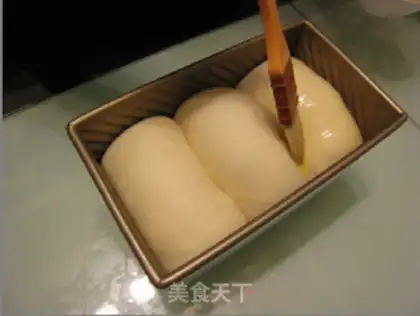
18
A full egg fluid is painted on the surface evenly。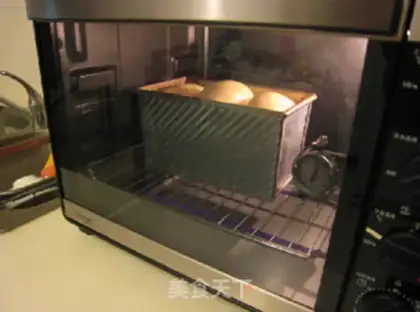
19
After 200 degrees of preheating, the oven is 180 degrees above, 190 degrees below, 30 minutes baked. If the second fermentation succeeds, the bread will grow higher than the surface of the mold within 10 minutes of the start of the bake. When the colour on the surface has reached the desired colour, cover the paper in time (according to past experience, my oven is very hard-fired, I have covered the paper and lowered the temperature of the fire by 30 degrees)。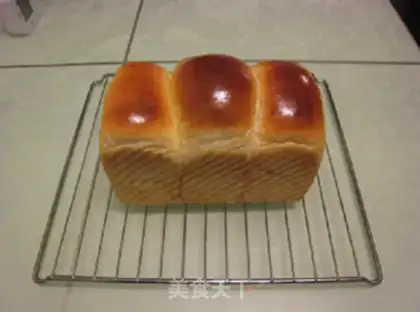
20
Once out of the oven, it will be demoxified and cooled to room temperature and will be sealed in a fresh bag。Kashda's super soft toast Make Tips
1. High-gluten flour is the foundation of successful bread making. When it comes to making toast, the reputable Jinxiang brand is indeed the way to go. The texture and elasticity of the dough after kneading are different from the Huishi flour I used to use.
2. Basic fermentation is the key to successful bread. I didn't use the bread machine today; I had originally planned to use the oven for low-temperature fermentation to see how it would turn out. However, due to an unexpected situation, the dough ended up fermenting in the oven at a low temperature (28-40 degrees) for 60 minutes first, followed by natural fermentation at room temperature (17 degrees) for two and a half hours, which extended the fermentation time significantly. When I uncovered the plastic wrap, the dough looked so chubby, round, and glistening that I couldn't help but admire it. Practice has proven that whether it is low-temperature fermentation in the oven or room temperature fermentation, the results are much better than high-temperature fermentation in a bread machine.
3. Second fermentation is the guarantee of successful bread. In the past, I didn't use a thermometer to monitor the second rise. I now know that I actually had the oven temperature set too high, nearly 50 degrees. Moreover, frequently changing the hot water caused the humidity around the dough to be too high, so the results of the second fermentation were always unsatisfactory. Practice has proven that using a thermometer to keep the temperature between 28-40 degrees, and only changing the hot water in the oven after it has cooled down, works perfectly.
4. The leftmost peak of the toast loaf is slightly shorter than the other two. Analyzing the cause, it might be because I placed the toast tin a bit to the left during the second fermentation in the oven (as seen in the picture for step 16), as I needed to leave space on the right for the water bowl and thermometer. The temperature on the left was probably lower, which led to uneven fermentation. Next time, I should place the mold in the very center.