Nicolas
By VicentaLakin

It is a little difficult to be glorified among the many kinds of bread suitable for homemade. Its “difficult” is mainly the so-called “embracing covers”, which wraps large amounts of oil in fermented skins, piles up and opens up, wraps the coatings into greases, displays a layering effect in high-temperature baking, with a soft entrance and aroma. The way in which the covers are folded is different and varied in number, they get different tastes. Nicola is the most basic of all. In the words of the original author, this is his “one-size-fits-all” bread, with a soft taste and soft tissue. Its formulations and practices are characterized by the use of a large quantity of fermented cream and the adoption of a three-fold “folder” approach. Accumulation of fermented cream is not only easier to absorb in nutrition, but also unique in taste; it has a high fat content, low moisture content and a very good stretchability and is well suited to “stacking”. The purchase of fermented cream depends mainly on the presence of fermentants in the formulation, with a lipid content of over 80 per cent. In fact, it is also possible to use common salt-free butter with higher fat content. Three triangulations, the simplest method of “stacking the covers”, are not only easy to operate, but also the finished product is very effective, layered, fragile and loosely organized。
Recipe Recommendations
- medium-gluten flour 500G
- salt 10g
- Rapid yeast powder 8g
- skim milk powder 15g
- fine sugar 55g
- qingshui 300g
- unsalted butter 25g
- Fold in fermented butter 375g
- whole egg liquid appropriate amount
- salty and sweet
- roast
- several hours
- ordinary
Steps for Nicolas
1
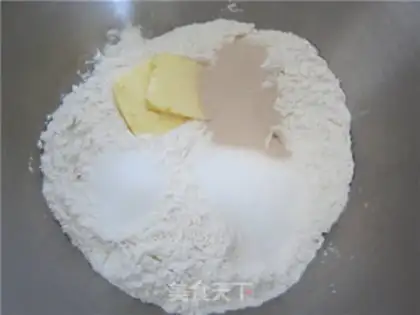
(b) Placing barbed flour, water, salt, yeast powder, milk powder, sugar and softened salt-free butter into the mixer of the cook ' s machine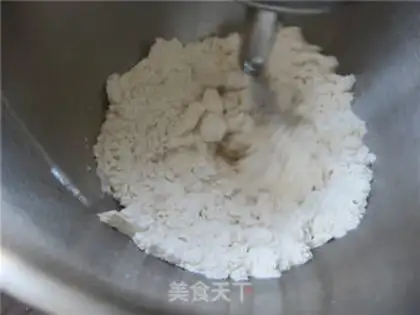
2
(a) activate a cook ' s machine and slowly add fresh water to it while slowly mixing it, and do not join all at once, leaving around 20 g to adjust the softness of the noodles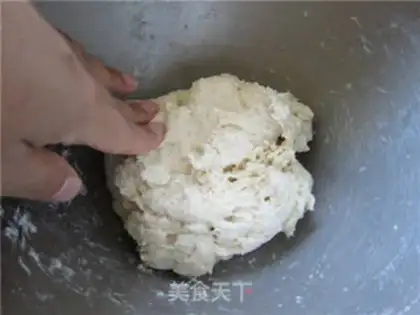
3
(a) The amount of mixing up to the noodle group is the extent to which the noodle is checked, and the noodle is slightly soft and easy to operate, and the amount of water is added, as appropriate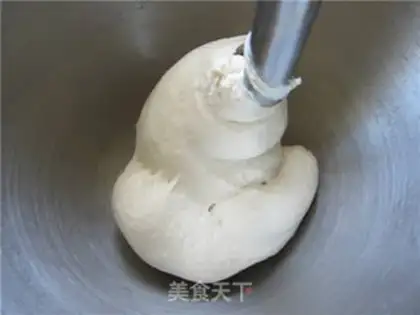
4
(b) Continue to mix slowly to smooth the surface of the face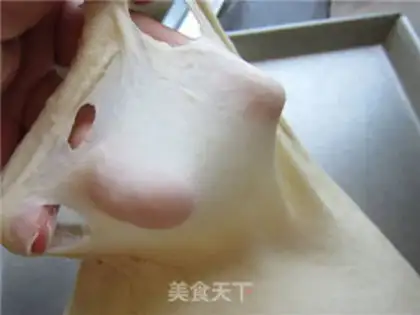
5
(a) Checking the contour: take a small section of the contour, spread slowly, and be able to pull into thin form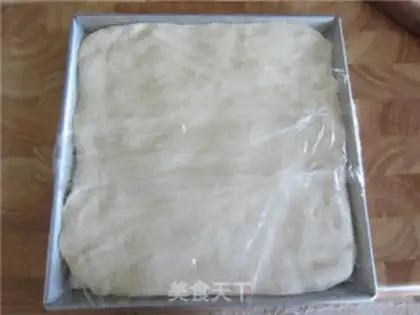
6
(a) Remove the noodle, spread it in a table, cover it with a film, and freeze it in the fridge for an hour (Yes, freeze it! To slow the noodle fermentation and make it easy to “stack”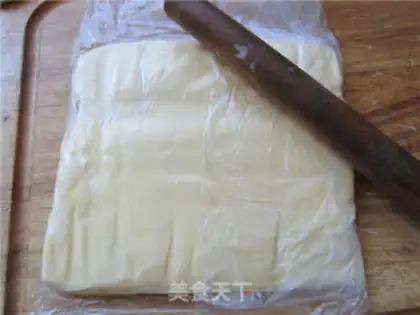
7
When the noodles are frozen, the refrigerated fermented butter is removed from the fridge, sliced in thick pieces into a skin bag, and beaten with a stick into thick pieces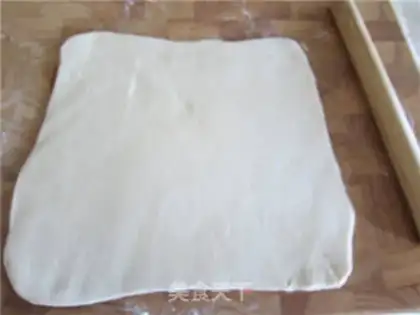
8
(b) The extraction of noodles and the opening of about two times the size of the fermented butter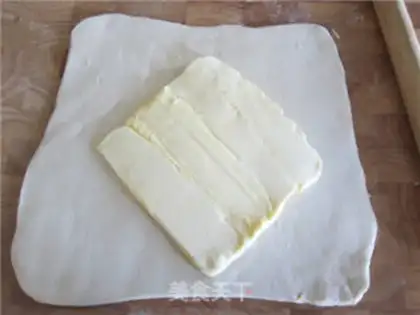
9
Put butter in the middle of the face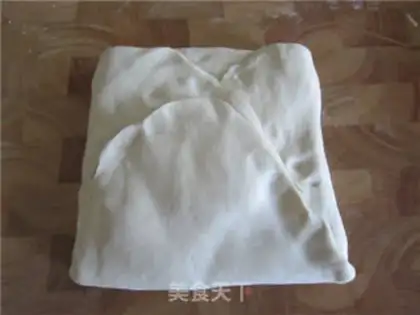
10
Squeeze the butter with it and squeeze the mouth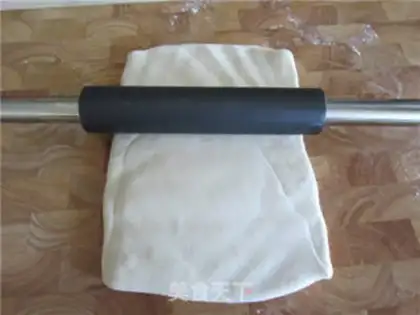
11
(b) Clashed the face with a cane, so that the skin was attached to butter and, if there was a bubble, placed a small hole with a bamboo stick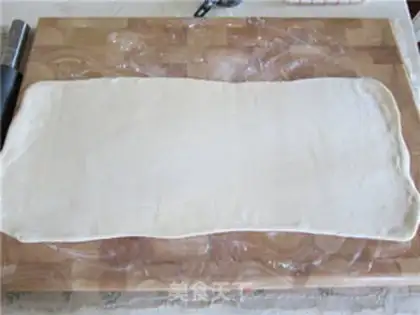
12
It's a big piece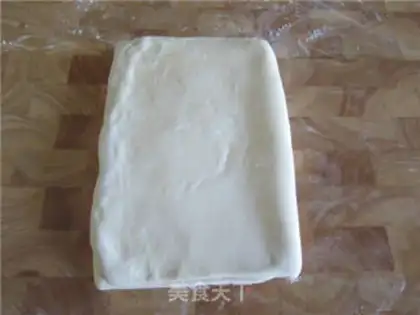
13
(a) A reduction of thirty cents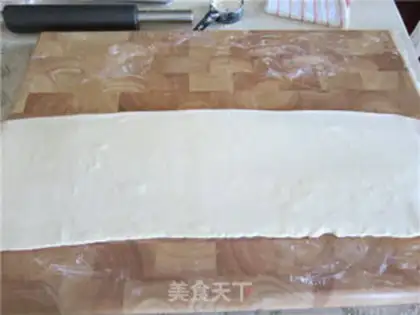
14
Dropped the face one by one, turned it open again and grew into a square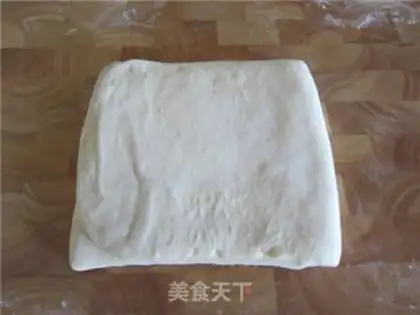
15
再次(a) A reduction of thirty cents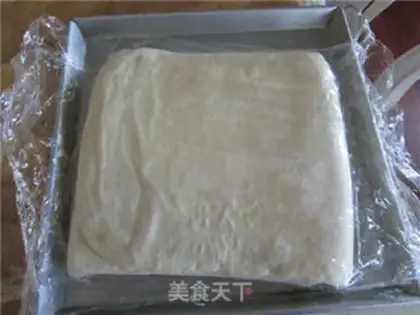
16
Put it in the plate, cover it, and freeze it in the fridge for 30 minutes to 1 hour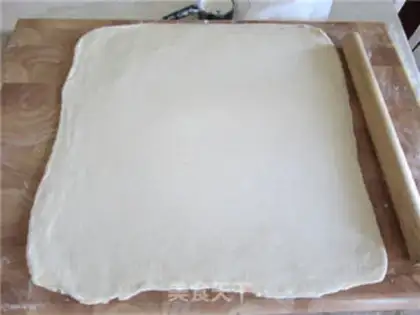
17
after 30 minutes, the noodles are removed and the tatters open into a large square of about 40 cm long and about 4 mm thick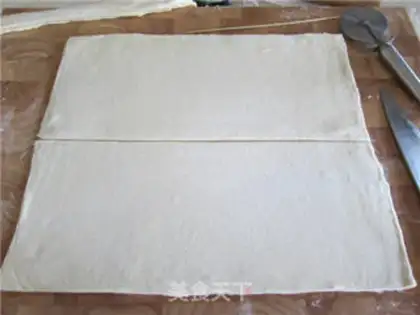
18
(a) to remove the large pieces from the four sides and divide them into two pieces about 18 cm wide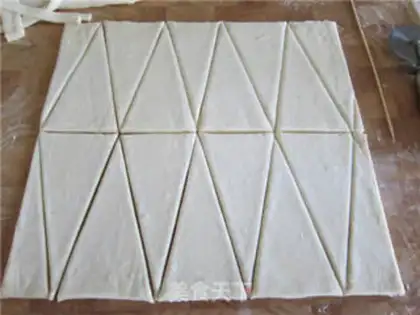
19
(b) the equilibria triangle of about 9 cm and 18 cm above the base with a sharp blade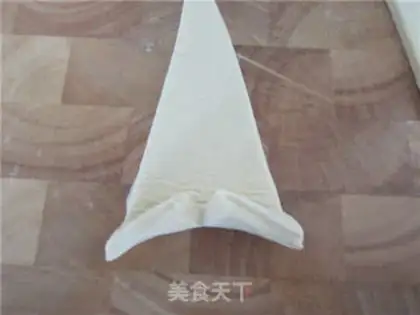
20
(a) cut a small mouth of about 1 cm at the bottom of the rectangular triangle and pull it from the small mouth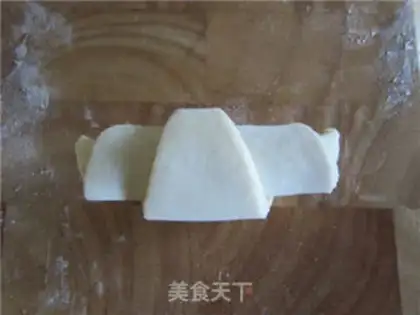
21
Scroll up to the top of the parallel lobe triangle along the pull-out, not too loose, not too tight, just as natural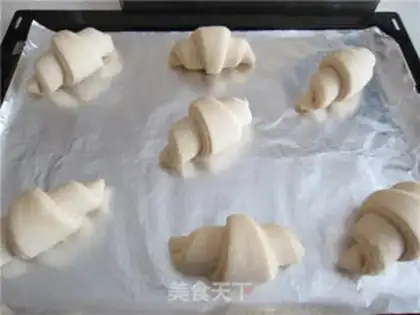
22
(a) All rolls will be evenly drawn into the grill (preferably a tin sheet of paper will be laid to facilitate the cleaning of the dish), leaving enough distance between the scrolls and the scrolls to allow for final fermentation at room temperature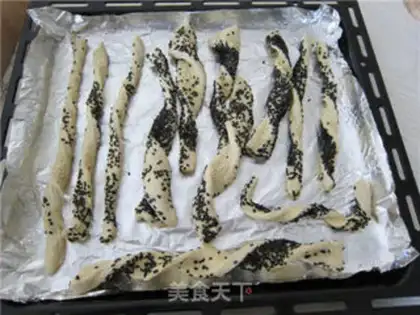
23
(b) Do not waste the edges, either by making braids or plastering with sesame to ferment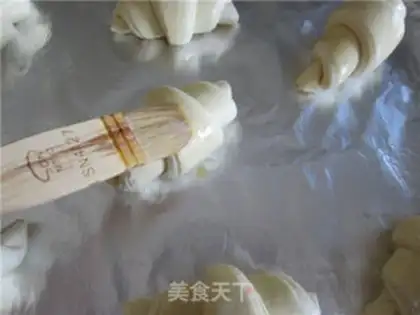
24
When the fermentation is twice as large, it is smoothed with a thin layer of egg fluid, and only on the surface, so that it is not brushed to the side of the layer so that it does not affect the soothing。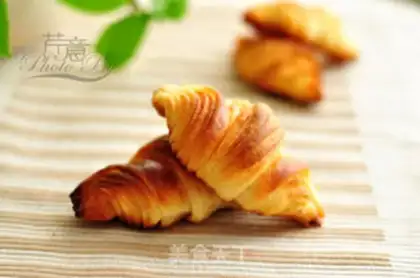
25
In the middle of the oven, 220 degrees preheat, 12 to 15 minutes。Nicolas Make Tips
A small amount of fat will exude during baking and disappear after it is done. If a large amount of fat exudes, it indicates a procedural error, and the dough is overworked.