Cheesecake
By VicentaLakin
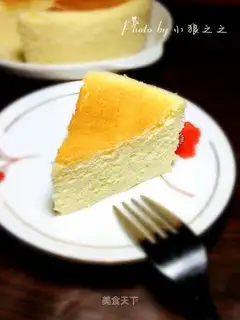
Uncle Chase and Grandpa Rico's cheesecake shop all over the country made a lot of my little partners want to taste it for more than an hour. One time my classmate gave the wolf a piece of his uncle's cake. It was delicious, but the cheese tasted slightly less. The coyotes then searched the recipes of the big cheesecakes online, with heavy cheese, medium cheese, light cheese, and today they bring you a six-inch cheesecake, a fine fine piece, a wet, soft taste, the sense of impurity of the entrance, accompanied by the fragrance of the cheese, and a long period of enveloping on the taste buds。
Recipe Recommendations
- cream cheese 125 grams
- milk 75 grams
- light cream 50 grams
- egg yolk of 2
- low-gluten flour 33 grams
- protein of 2
- fine sugar 50 grams
- white vinegar few drops
- sweetening
- roast
- an hour
- simple
Steps for Cheesecake
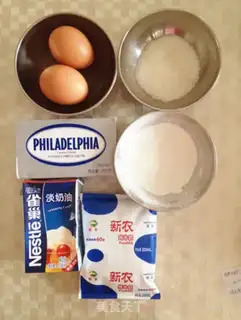
1
Preparation of raw materials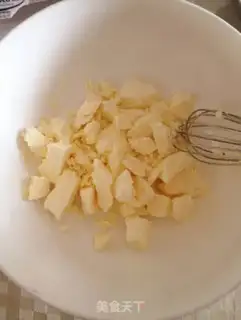
2
Creamed cheese slices in clean tubs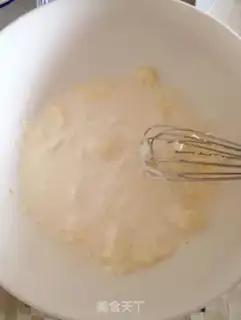
3
Add milk and cream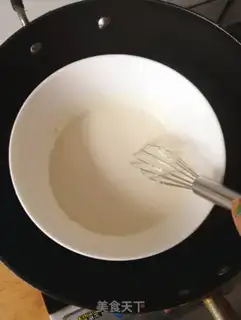
4
Insulated water softens and is fertilized to emulsions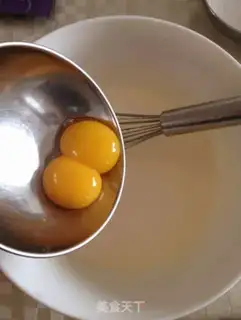
5
The egg yolk is added in fractions, and the mix is even by hand。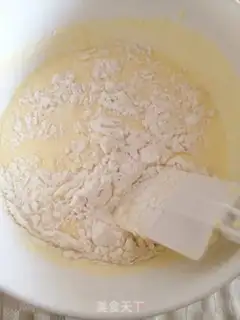
6
(b) Sifting in low-banded flour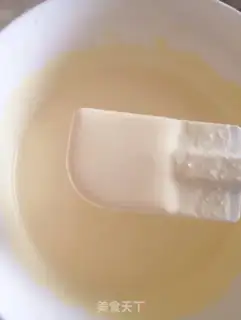
7
Plugged with a rubber razor until the flour and cheese paste are fully mixed to no flour particles. (Standed cheese to the freezer until it becomes dense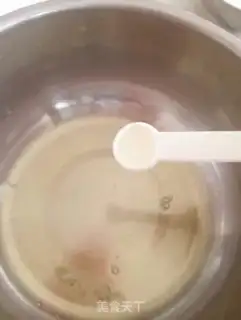
8
A few drops of white vinegar in the egg lumber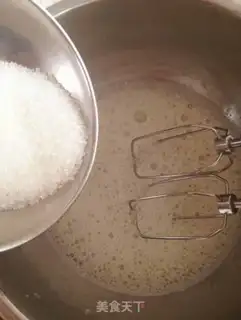
9
A third of the white sugar drops when the fish eyebrow shape is passed at a low speed。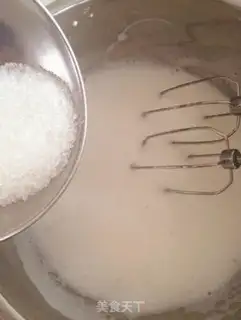
10
The egg-beater was transferred to the third set (medium speed) and continued to stir, and after about a minute, the bubble became small and the volume expanded twice as big. When the egg is lifted, the egg fluid cannot be glued to the head of the egg, flowing in the form of water, adding a third of the sugar。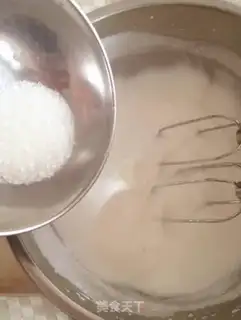
11
The third tranche continued to stir, and after about a minute, the bubble became more nuanced, with some tracers adding a third of the sugar。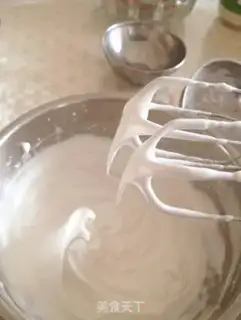
12
The third set of blows continued until the egg was lifted and the protein in the basin was unable to stand and the egg fluid on the egg was down. This is called eight distributions, also known as wet hair bubbles, which are suitable for cheesecake。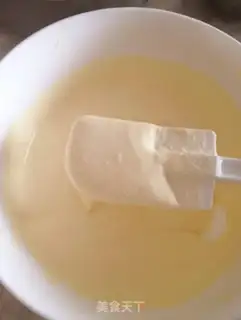
13
Get the cheese paste out of the fridge. It's supposed to be thicker。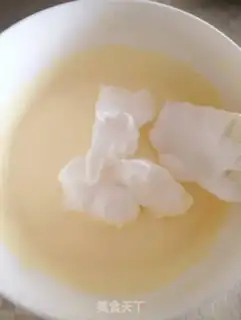
14
Take one third of the protein to the cheese paste and mix it with the rubber razor. (Turn from the bottom up, never entanglement in circles, otherwise the eggs will melt, causing the cake to shrink or not to expand)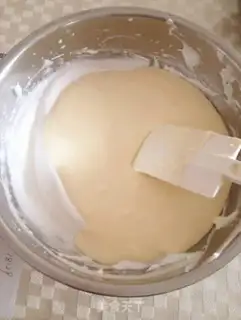
15
Put all the blended cheese in the protein bowl。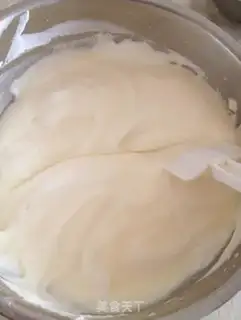
16
Continue to mix the protein with the cheese with a rubber razor, and be careful not to stir around. 150 degrees of preheat oven at this time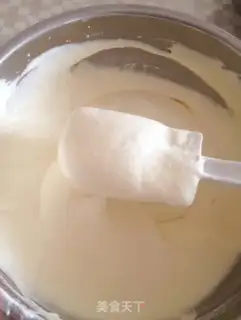
17
The mixed cake paste should be very thick and delicate. If it's too rare or a lot of little bubbles, the cake won't work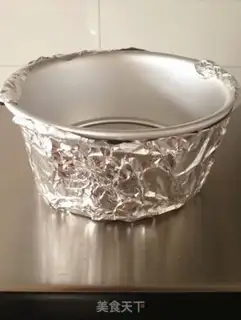
18
In the case of live bottom cake molds, the bottom needs to be wrapped in tin paper to prevent water from entering the next bath。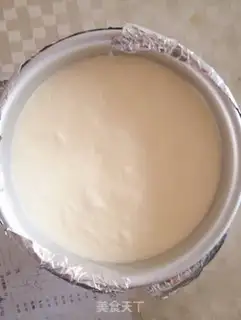
19
The interior wall of the mould is covered with butter, bottom-covered paper, and the cake is thrown into the mould, with a few strong shocks and bubbles。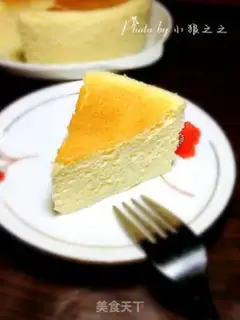
20
The oven is filled with half the hot water, and the mold is placed in the oven, to the second bottom of the oven, 140 degrees 60-70 minutes. Until the skin is even and the cake is solid enough to come out. The fresh cakes are fragile and, after natural cooling, are moved into the refrigerator for four to six hours to unmix the pieces。Cheesecake Make Tips
1. Frozen cheese is difficult to mix evenly; it must be softened by heating over a water bath before it can be stirred easily.
2. Do not over-beat the egg whites for light cheesecake; otherwise, the cake will expand and crack during baking, and the texture will be coarse.
3. The cheese batter must have a thick consistency to mix easily with the egg whites; otherwise, the egg whites are prone to deflating.
4. Water bath method: To maintain a moist and fine texture for cheesecakes, the water bath baking method is often used. Alternatively, place a baking tray filled with cold water on the bottom rack and a wire rack on the second-to-bottom rack for the cake mold, but ensure there is always water in the baking tray during baking.
5. The baked cake does not need to be inverted; its texture is completely different from that of a regular chiffon cake.