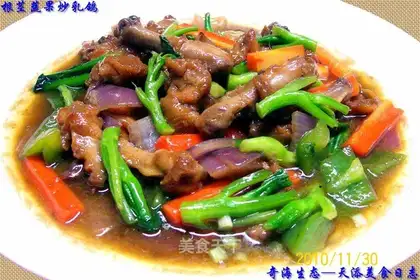
[Delicious Classic of Birds]--"Stir-fried Pigeon with Roots and Vegetables and Vegetables" is also known as "Stir-fried Pigeon with Seasonal Vegetables and Roots"(creative name on November 30)
Introduction to cooking methods:
1. Wash the young pigeons and change the knife into inch pieces. Add chopped green onions and ginger, pepper, fine salt, cooking wine and appropriate amount of dry starch paste to make for about 20 minutes. Wash the carrots and cut them into strips. Select the cabbage stems and wash them for later use;
2. Add ginger slices in the original pan and stir-fry until fragrant. Add the squab pieces and stir fry until they change color. After sixty-ripe, take out and plate for later use;
3. Add onions and carrots in the oil pan and stir until fragrant, then add the kale stems and green peppers and stir fry for a few times, pour in a proper amount of soy sauce and water, stir fry over high heat for a while, then add the squab meat pieces, cover the lid and cook the squab. When the squab is cooked, season with high heat, and serve on the table.
Features:
1. Operation with low carbon, low oil temperature, and no smoke. The ingredients are ordinary, the ingredients are reasonably configured, the nutrition is balanced, the cooking is simple, the color, aroma and shape are complete, and the names of the dishes are appropriate, smooth and peaceful.
2. The dishes are bright in color, with the aroma of green onions, and the aroma is overflowing. The meat is delicate and tender. The green pepper and kale are crisp and refreshing. The taste is rich and subtle, and the nutrition is balanced;
3. Vegetables, plants, roots and fruits rich in minerals, trace element nutrients and cellulose, and young pigeons with extremely high nutritional value are especially suitable for children during growth and development, as well as rehabilitation and health treatment.
Nutritional value:
The young pigeons are salty, calm in nature and non-toxic; they have the effect of nourishing liver and kidney, replenishing qi and blood, supporting poison and draining pus; they can be used to treat diseases such as sore, chronic illness, and diabetes. Eating frequently can make the body strong and clear the lungs and smooth the qi.
stir-fried young pigeon with roots and vegetables
By GardnerHuels
Recipe Recommendations
- carrots 1 piece
- green pepper one
- squab in 1
- chives 3 pieces
- fine salt 1 tablet
- cooking wine 15ml
- soy sauce 20ml
- white granulated sugar appropriate amount
- pepper 3g
- starch appropriate amount
- MSG appropriate amount
- olive oil appropriate amount
- salty and fresh
- fried
- ten minutes
- ordinary
Steps for stir-fried young pigeon with roots and vegetables
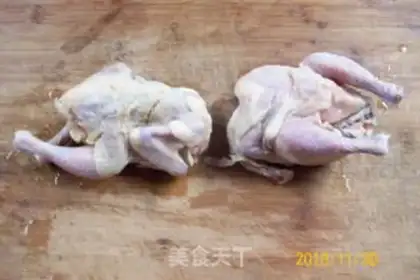
1
The frozen squab is thawed first after being taken out.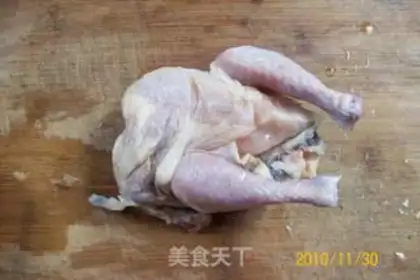
2
After the squab is thawed, remove the internal organs and wash the blood.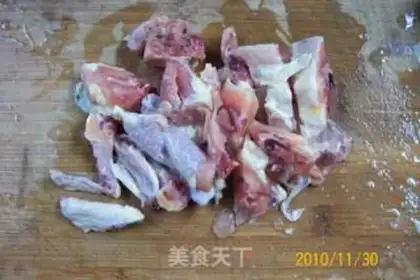
3
Remove half of the squab's legs and wings with a knife, and then change the knife into inches.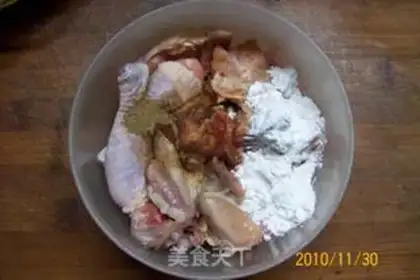
4
Add chopped green onions and ginger, cooking wine, fine salt, pepper, soy sauce, and starch.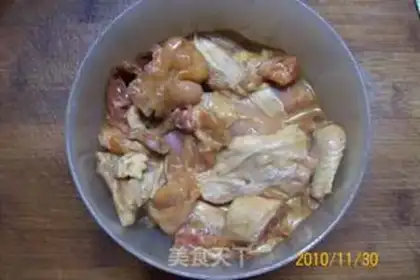
5
Grasp the grout with your hands for a while, then slurry for about 20 minutes.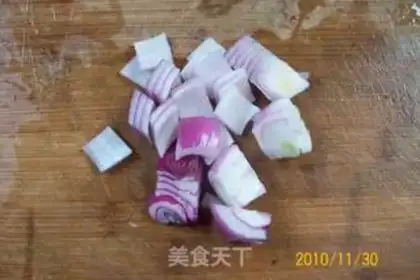
6
Cut onions into slices and wash them.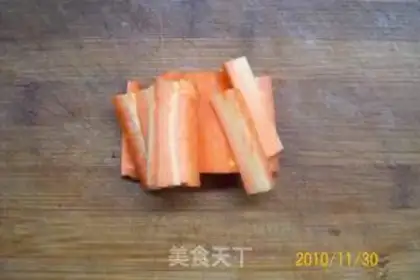
7
Wash the carrots and cut them into long strips about 1cm square.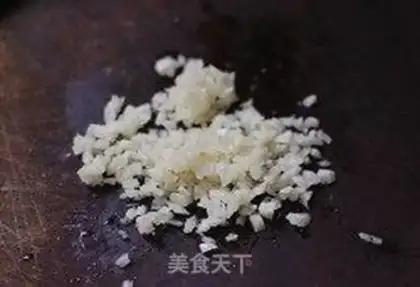
8
Select the stems of kale, process them into inches, soak them in water and wash them.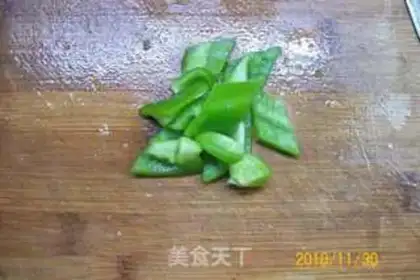
9
Soak and wash the green pepper with clear water, and cut it into eye blocks.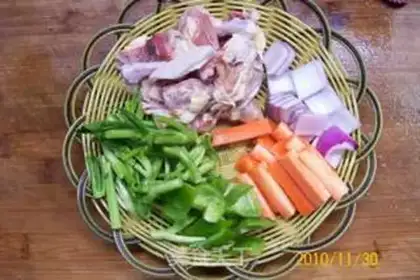
10
Place the processed ingredients on the side dish for later use.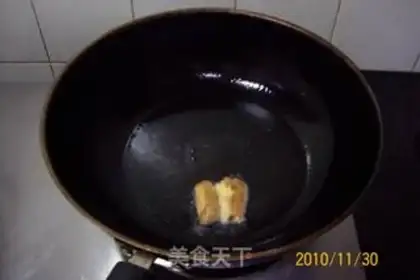
11
Pour oil on the pan, add ginger slices, and stir-fry with low oil temperature until fragrant.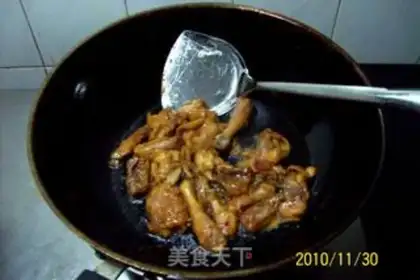
12
Remove the pan from the heat and add the draped squab and disperse with a spatula.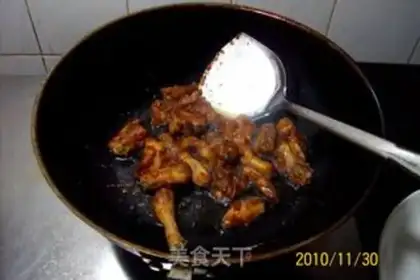
13
Stir fry the squab meat over low heat until medium rare.
14
Remove and set aside when the squab meat pieces are six-ripe.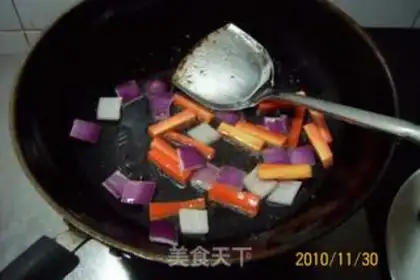
15
Add onions and carrots to the original pan and stir-fry.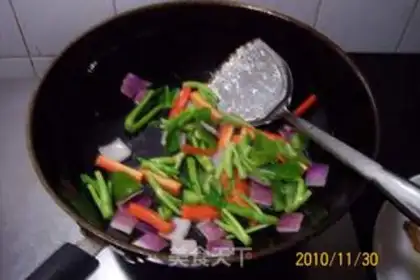
16
After stir-fry the onions until fragrant, add green pepper and cabbage stems.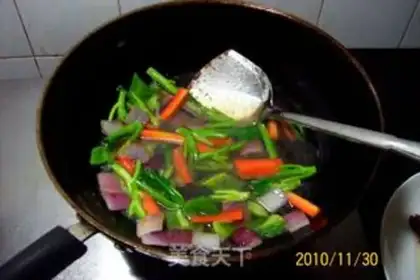
17
After stir-frying the ingredients for a while, add appropriate amount of water and stir fry over high heat.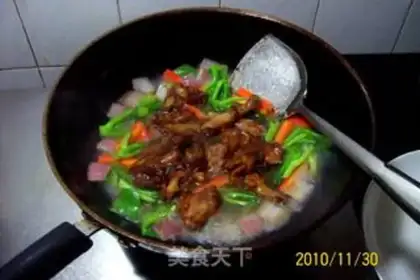
18
After the green pepper and kale stems change color, add the processed squab meat pieces.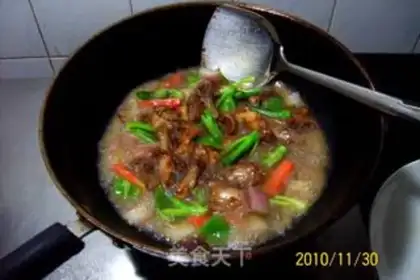
19
Stir fry slightly, and add appropriate amount of soy sauce and white sugar to taste.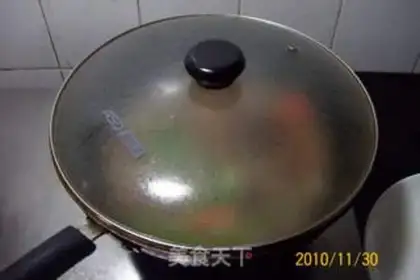
20
Cover the lid and cook over high heat for 2 minutes to cook the squab.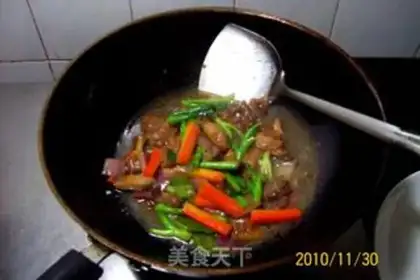
21
After the young pigeons are cooked, use high heat to harvest the juice and season, and then serve on a plate.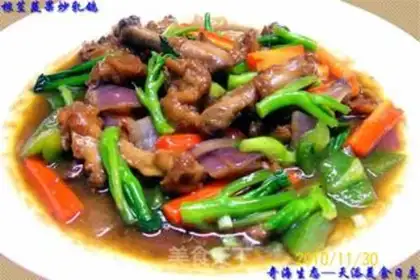
22
Picture 1 of the finished product of "Stir-fried young pigeons with roots and vegetables".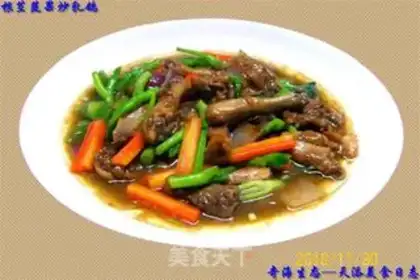
23
Picture 2 of the finished product of "Stir-fried young pigeons with roots and vegetables".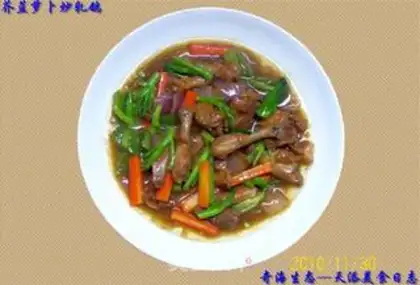
24
Picture 3 of the finished product of "Stir-fried young pigeons with roots and vegetables".stir-fried young pigeon with roots and vegetables Make Tips
Friendly Reminder:
1. Fresh squab should not be cooked too rare to avoid infection from avian viruses and parasite eggs;
2. It is best to clean and prepare fresh squab, then quick-freeze it in the refrigerator for more than 24 hours before cooking; this makes it taste better and is safer.
3. Squab pieces must be stir-fried until at least 60% cooked; the time for stir-frying and braising should not be too long as the squab pieces are coated with a starch layer. Additionally, green vegetables tend to turn yellow and mushy if braised for too long.
Side effects of Chinese kale: It depletes vital energy. Long-term consumption of Chinese kale can inhibit the secretion of sex hormones.
Side effects of chili peppers: Spicy green peppers can easily trigger hemorrhoids, boils, and other inflammations, so they should be eaten in moderation. Patients with ulcers, esophagitis, cough/asthma, sore throat, or hemorrhoids should be careful to limit their intake.