Cheesecake
By VicentaLakin
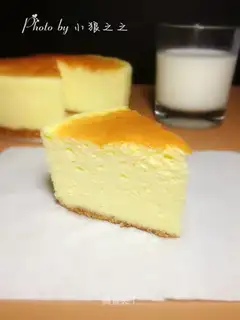
Cheesecake has its uniquely smooth and simple appearance, as if it were a treasure in hand. If it approaches its heart, it will be melted into it for an instant, and it will remain in it for a long time. This is a 6-inch cheesecake recipe that I highly recommend
Recipe Recommendations
- milk fragrance
- roast
- an hour
- simple
Steps for Cheesecake
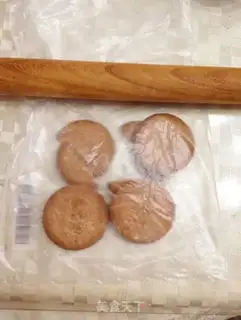
1
Preparation of five digestive cookies for inclusion in a fresh bag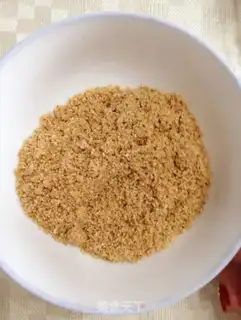
2
And a fine end of a crutches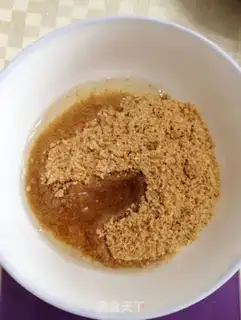
3
Put the end of the biscuit in the bowl and the melted butter in the mix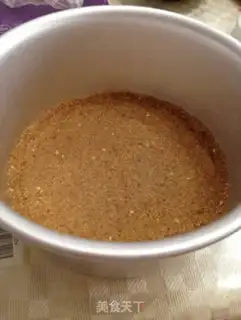
4
Put on one-time gloves, pour the cookies into the mold, flatten the pressure. (Can be pressed with ground tools)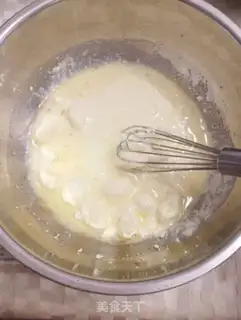
5
Cream cheese cut small pieces and milk, melted butter mixed into a clean tub。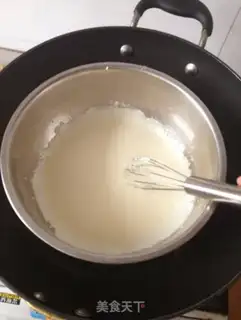
6
Insulated water softens and mixs into emulsions。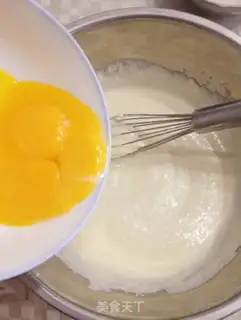
7
The egg yolk is added in fractions, and the mix is even by hand。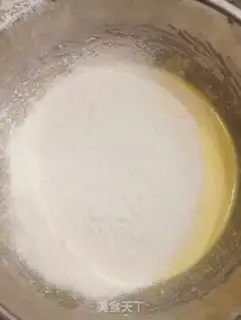
8
Sift in low-banded flour。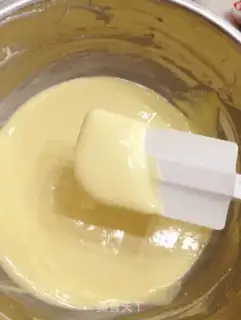
9
Plugged with a rubber razor until the flour and cheese paste are fully mixed to no flour particles. (Standed cheese to the freezer until it becomes dense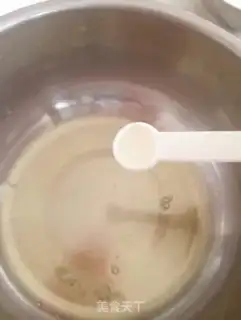
10
A few drops of white vinegar and 0.5 grams of salt in the egg purifier; (with the aim of helping the protein to pass out)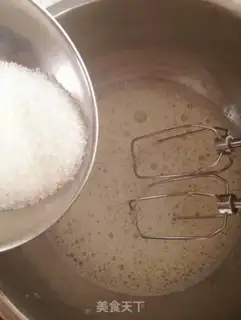
11
A third of the white sugar drops when the fish eyebrow shape is passed at a low speed。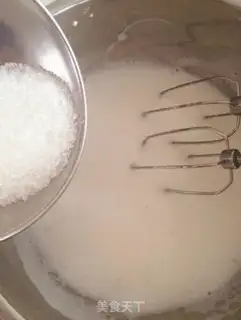
12
The egg batterer was transferred to the third set (medium speed) and continued to stir, and after about a minute, the bubbles became small and expanded twice as big. When the egg is lifted, the egg fluid cannot be glued to the head of the egg, flowing in the form of water, adding a third of the sugar。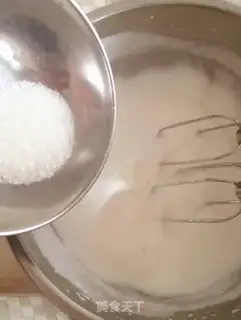
13
The third tranche continued to stir, and after about a minute, the bubble became more nuanced, with some tracers adding a third of the sugar。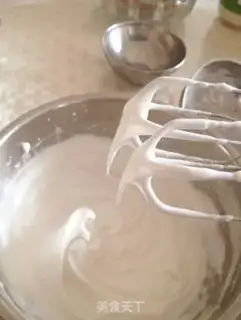
14
The third set of blows continued until the egg was lifted and the protein in the basin was unable to stand and the egg fluid on the egg was down. This is called eight distributions, also known as wet hair bubbles, which are suitable for cheesecake。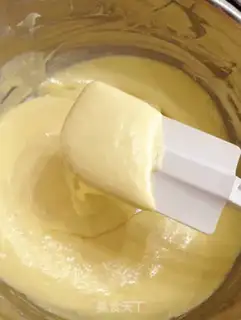
15
Get the cheese paste out of the fridge. It's supposed to be thicker。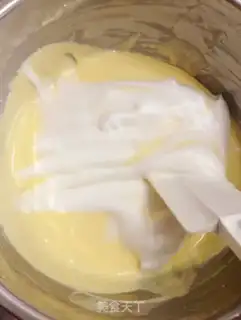
16
Take one third of the protein to the cheese paste and mix it with the rubber razor. (Turn from the bottom up, never entanglement in circles, otherwise the eggs will melt, causing the cake to shrink or not to expand)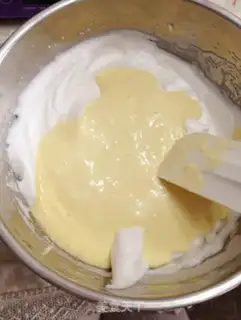
17
Put all the blended cheese paste back into the protein bowl, and continue to mix the protein and cheese paste evenly with rubber razors, so don't mess around. The preheat oven is 140 degrees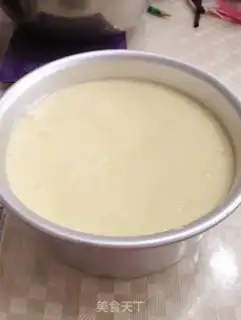
18
The blended paste is supposed to be very thick and delicate, pouring the cake into the mold, shaking a few times, blowing bubbles。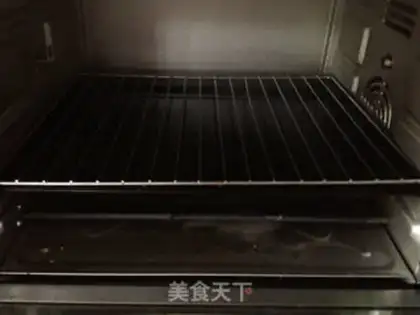
19
In the second floor of the last, a grill full of cold water, in the second layer of the bottom of the net, with a cake mold on it, known as bathing, suitable for cheesecake。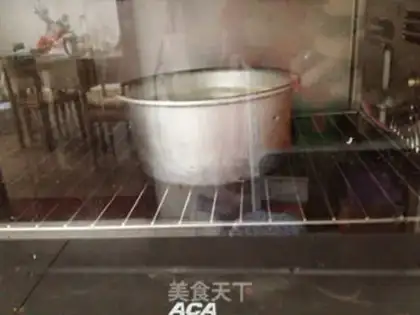
20
Put the cake mold in the pre-heated oven, first at 110 degrees cool for 65 minutes, then turn 140 degrees 15 minutes until the skin is evenly coloured. The main point is not to get it out immediately after the oven is finished, the oven cools for some time, until the cake is cold, the film is covered, and it's in the freezer for four to six hours to cut off the modulate。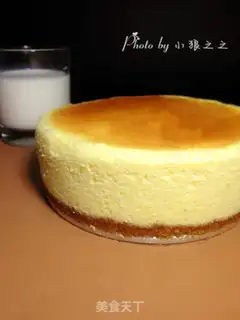
21
The finished mapCheesecake Make Tips
1. Frozen cheese is difficult to mix evenly; it needs to be softened by heating over a water bath before it can be stirred easily.
2. Do not over-beat the egg whites for the light cheesecake, otherwise it will expand and crack during baking, and the texture will be coarse.
3. The cheese batter must have a thick consistency so that it mixes easily with the egg whites; otherwise, the egg whites will easily deflate.
4. Do not open the oven door during baking under any circumstances, as this will definitely affect the finished product.
5. The power and temperature vary for every oven, but the temperature for baking cheesecake should not exceed 170°C. (My oven has higher power and temperature, so I set it lower.)
6. Slight cracking in the baked cheesecake is normal; it will not look too obvious after cooling.
7. Regarding shrinkage, normal shrinkage results in a relatively flat surface. If there is abnormal shrinkage, such as a collapse, it indicates a problem with the technique.