Ham rolls
By VicentaLakin

It's possible for everyone to get soft because of a song, a short road, an instant heart, or because of a food that reminds me of a good memory. Every time I look at it, I think of the satisfaction and joy of sitting in the back of my mother's bike when I was little
Recipe Recommendations
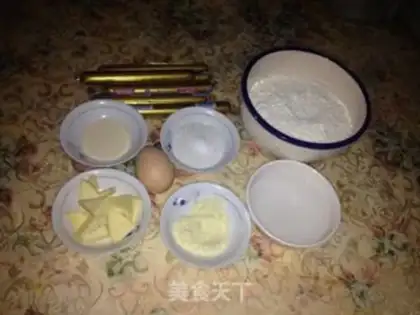
- high-gluten flour 250g
- water 110g
- egg liquid 30g
- yeast powder 4g
- salt 3g
- sugar 30g
- milk powder 10g
- butter 30g
- ham sausage 7
- salty and sweet
- roast
- several hours
- senior
Steps for Ham rolls
1
Raw materials are in order。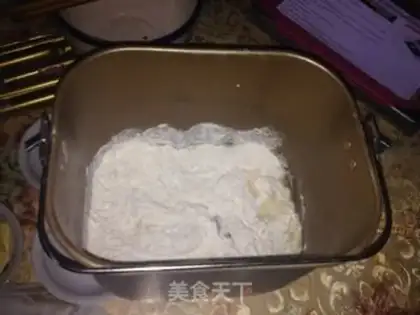
2
The raw materials other than butter and ham intestines are placed in the bread-crumbs in the order of the liquid powder, followed by yeast powder。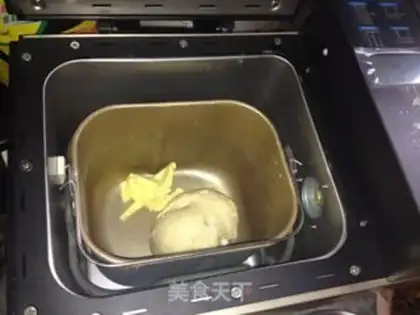
3
The start-up and face-to-face programme, with one procedure ending with the back of the mosaic in a slightly smooth shape, and hand-to-hand grab a small lasagna, which, although able to spread a film, would have broken holes if it did not last much longer, at a time when the lasagna was in an extended phase. Add softened butter, re-start and face program。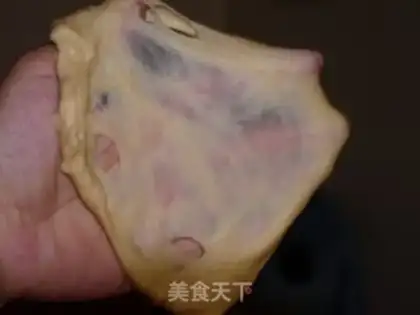
4
At the end of the procedure, the hand grabs a small section of the mask, which can produce a large, thin film and is not easily broken, at which point it reaches its full stage。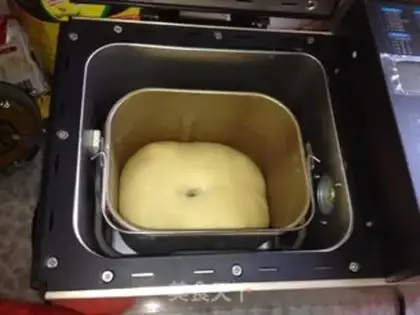
5
The noodles are rounded and placed in a bread drum, covered with film for the first fermentation. Fermentation is twice-2.5 times the original size (drying a hole with a finger and a small hole does not shrink immediately)。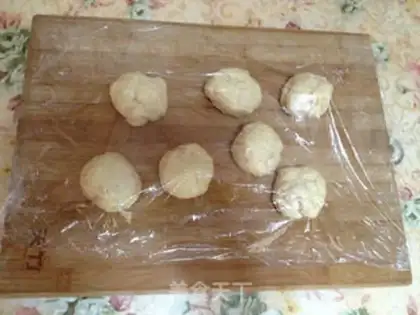
6
When the noodles are removed from the exhaust, they are split into five to seven small ones, with a 15-minute membranes on the back of the roll。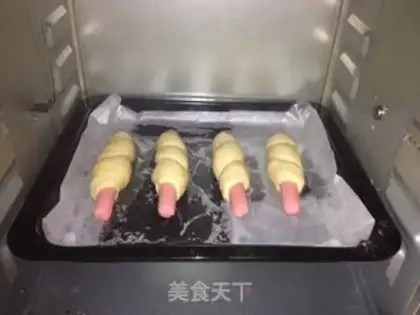
7
A nice, loose noodle-breathing strip, around ham intestines, around 3-4 laps。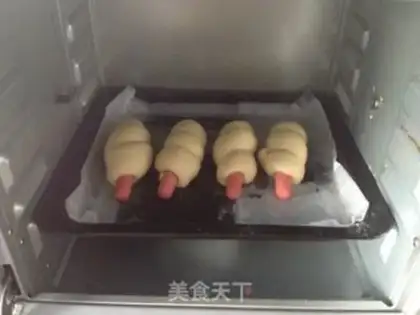
8
In turn, all the bread embryos were made and placed on the grill, then in the oven for final fermentation, which in about 50 minutes was twice as large。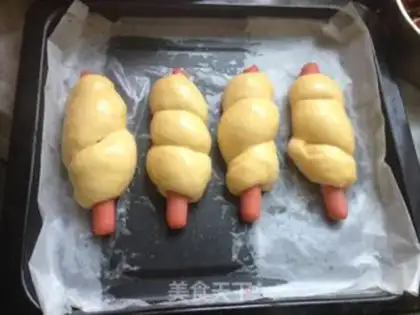
9
Brush an egg fluid。
10
The oven is preheated at 185 degrees and the upper and lower middle fire is about 15 minutes to the surface yellow. Time depends on the oven。Ham rolls Make Tips
1. When degassing the dough after the first fermentation, if the dough is sticky and has a strong sour smell, it indicates over-fermentation. With normal fermentation, the dough should not be sticky and should have only a slight sour smell, just like the scent of yeast dissolved in warm water. 2. When placing the dough in the oven for the second fermentation, place a bowl of hot water in the middle of the bottom heating element. Put the baking tray on the lower rack, set the oven temperature to around 40°C, use the proofing function, and let it proof for about 50 minutes.