It's salty and white
By VicentaLakin
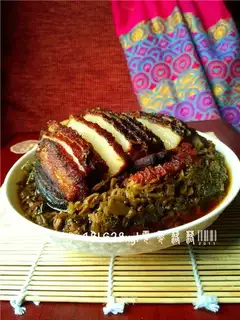
The salty white is one of the most distinctive dishes in the Chinese food system. It is made of five flowers, and its cooking techniques are mainly evaporated. The main ingredient in the food is the sprouts of Sichuan Ibein (known as the Sichuan House), which is known for their quality, salty and sweetness, and their aroma, so that they burn with the meat, adding a special flavor. I'm using the specialty of Sichuan. Our home country's salt and white is a special dish, made of winter tips。
Recipe Recommendations
- Pork belly with skin 2000g
- Dongjian 200g
- wine appropriate amount
- soy sauce appropriate amount
- salty and fresh
- steamed
- half an hour
- senior
Steps for It's salty and white
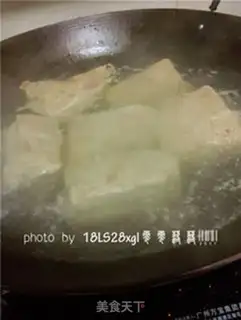
1
(a) Five copies of the fragrance, after which they are washed, and cold-watered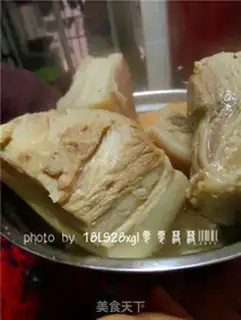
2
Five flowers boiled to chopsticks so that they can be easily inserted and then recovered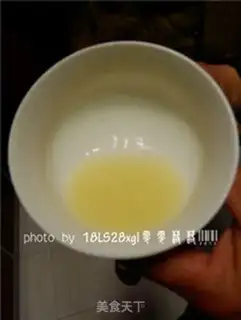
3
Prepare a small amount of wine brew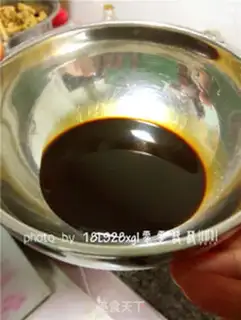
4
Small amounts of soy sauce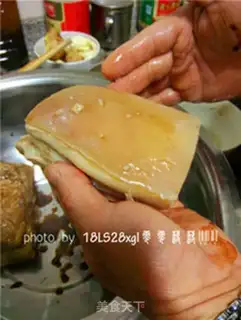
5
And boiled five flowers, then cooled them, and made wine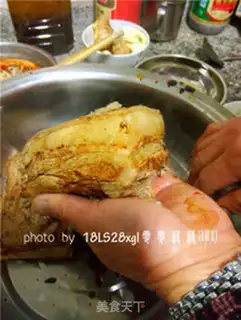
6
Put another layer of soy sauce inside and outside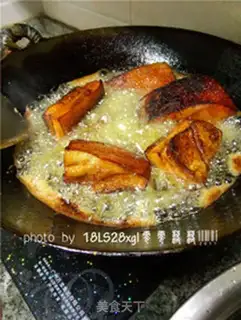
7
When oil is poured into the pot, and the bouquet is blown into the pot, and the skin is placed in the pot before turning over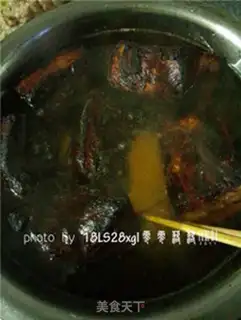
8
Put the fried meat in the cold water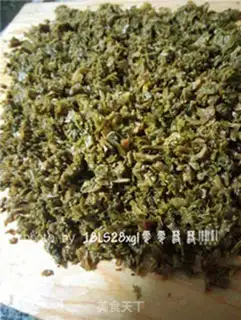
9
(b) After the winter tip, the asphalt is dried and scrapped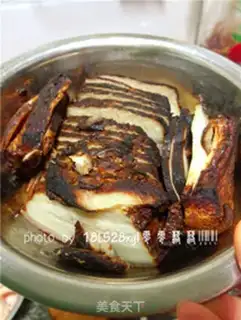
10
Five flowers to dry water after cooling, sliced, sliced down, a little deeper in the basin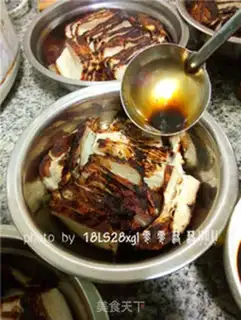
11
A little more soy sauce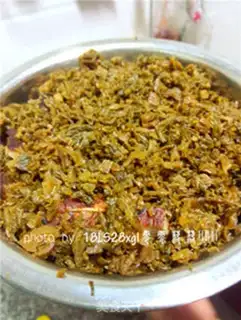
12
Five flowers with winter heights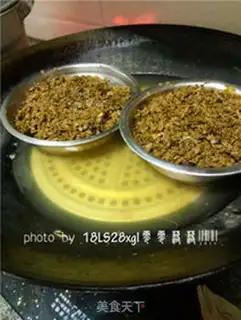
13
We'll put the bouquet together in the pot, open the pot, and steam the fire. We'll burn it, if it's stored properly, for about a month. We'll eat it, then we'll boil it。It's salty and white Make Tips
1. You can make a larger batch of Shao Bai at once. During the Spring Festival, simply steam it to serve guests.
2. Coating the pork belly with a layer of fermented rice wine makes the Shao Bai more fragrant and tender.