Caramel pineapple flip cake
By VicentaLakin
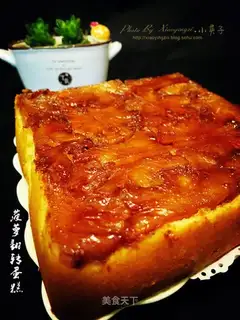
Seeing the food growers making pineapple flip cakes, they're being lured by the seductive caramel. Now it's pineapple season, with lots of fresh pineapples all over the market. You can't miss it. Buy pineapple and find the square to make it. The cake is based on my favorite whole-of-the-sponge cake, and the formula is very soft and wet. Without a solid background model, this time it's been a long-lost silicone 8-inch touch. If your molds are not sticky, they need oil. This time, in order to give the exact amount of the formula, the weight of the egg is specified, the amount of other materials is empirically averaged from the egg fluid, the notes are recorded, and no one is disappointed, the taste is great! The approach is based on the blog Coffee Sugar, thanks! The formula is changed。
Recipe Recommendations
- sweetening
- roast
- an hour
- senior
Steps for Caramel pineapple flip cake
1
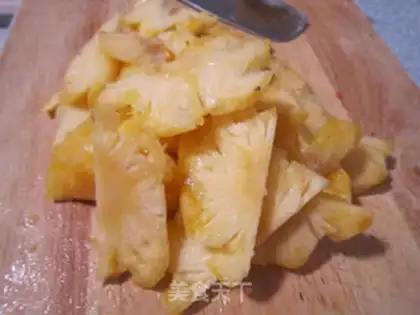
When pineapple goes to the eye button, it cuts into thin sheets and bubbles with salt water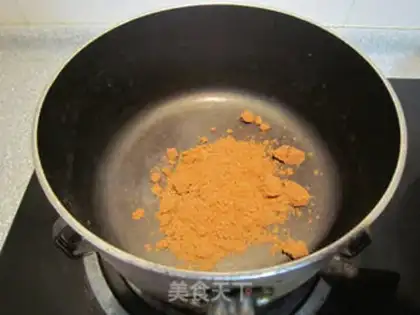
2
Get a non-sticked pot, put some sugar in it, make a little fire and melt it. Perch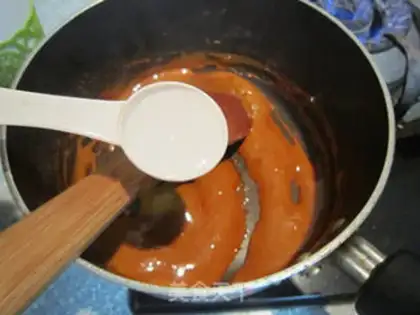
3
Put it in 15 grams of water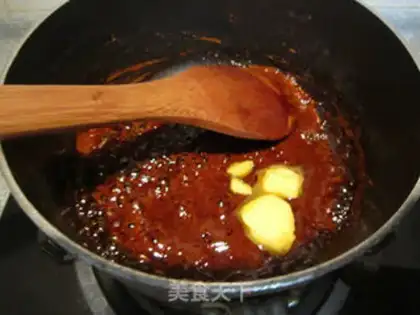
4
Put it in butter and melt it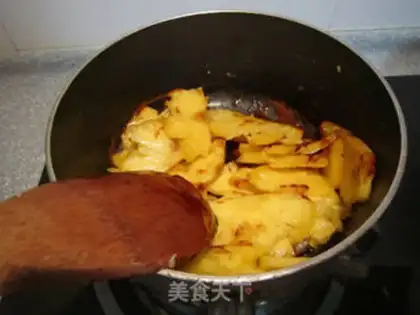
5
Put pineapple in the mix immediately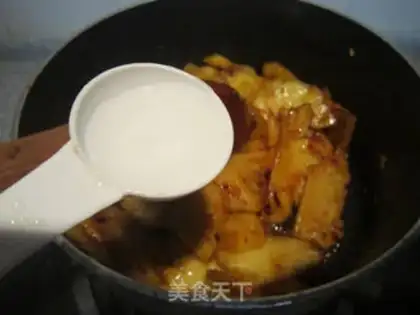
6
Join the rum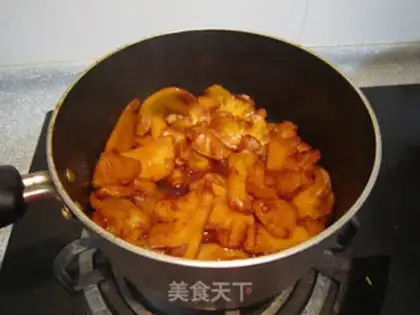
7
It continues to get softened to the pineapple, it's called the filter, it's dry and it's useful。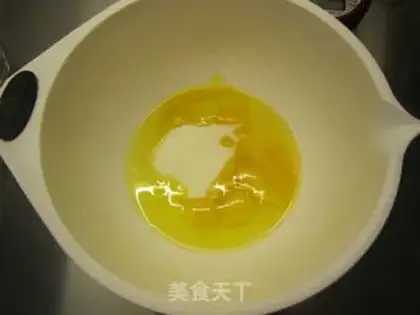
8
Pumping eggs into a large, clean, oil-free basin and adding all sugar and water. Smash the egg with a manual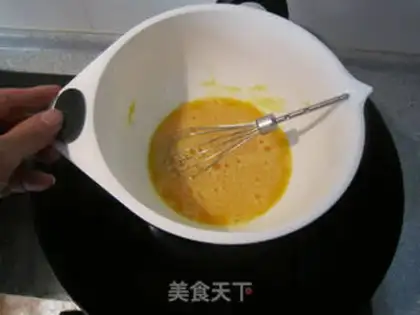
9
In the pot, the water is cool, the egg basins are placed on the water, and a small fire is opened to heat. The warmer side keeps mixing until the egg fluid and sugar are evenly mixed. Temperature by hand, when the egg fluid warms but does not exceed 40 degrees, from hot water。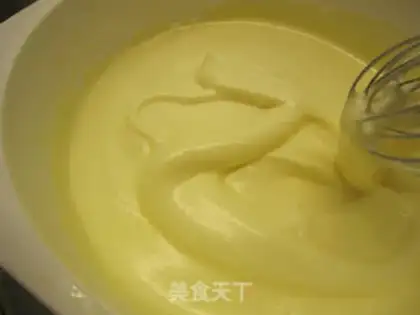
10
Started to stir up the mid-speed of the entire journey with an electric omelet, hit the egg white, raised the egg head, showed a trajectory flow, and the remaining traces disappeared within two seconds, at which point the air bubble was prepared at a low rate of two minutes, moving as follows: the hand-in-hand punching of the egg head without moving the other hand。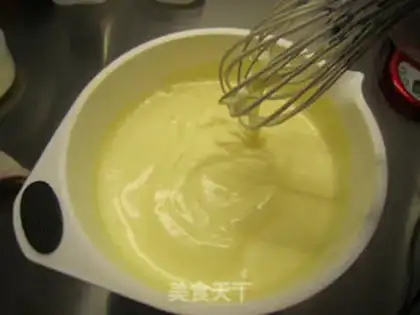
11
Started to stir up the mid-speed of the entire journey with an electric omelet, hit the egg white, raised the egg head, showed a trajectory flow, and the remaining traces disappeared within two seconds, at which point the air bubble was prepared at a low rate of two minutes, moving as follows: the hand-in-hand punching of the egg head without moving the other hand。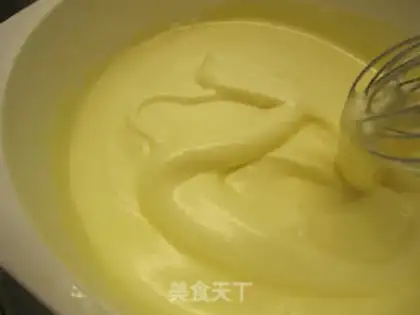
12
The fluid of the eggs remained constant at this time, but the bubbles were very fine, and the egg colored Zeprotein suggested that the egg fluids that fell from the omelet would not disappear and the whole egg would be ready for hair。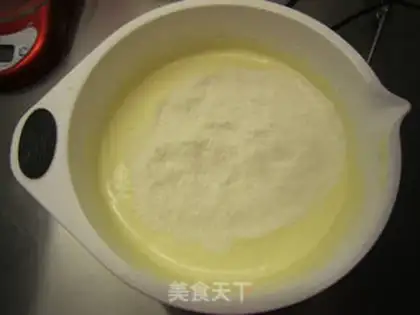
13
At this point, the pre-heat oven was sifted three times into the distributed egg fluid. Each sift is rolled up from the base with a rubber razor, the flour is fine-tuned with the egg fluid, then the remaining flour is sifted into, and the rubber razor continues to be rolled up from the bottom up until the flour and the egg fluid are fully fused, with no particle-shaped flour visible and the lake smooth。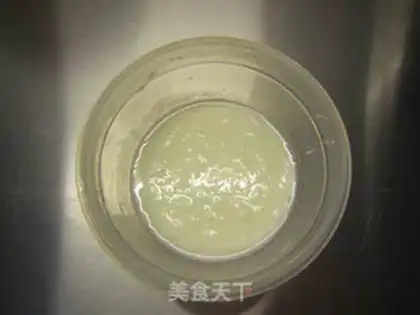
14
Combining corn oil with milk in another small basin and mixing with oil and water with hand-plugs。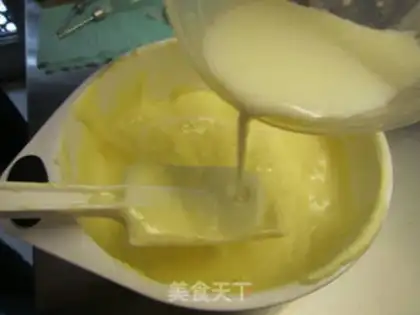
15
Put the cream in the cake paste with a rubber razor and be quick。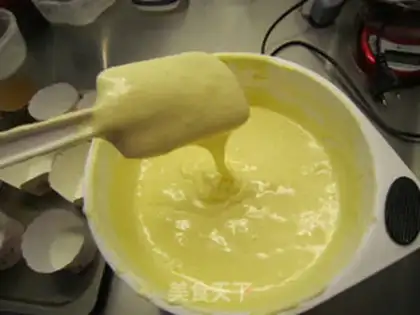
16
It's the last piece of cake that's made. It's clearly less than the previous one. It's to be used immediately, or it'll melt。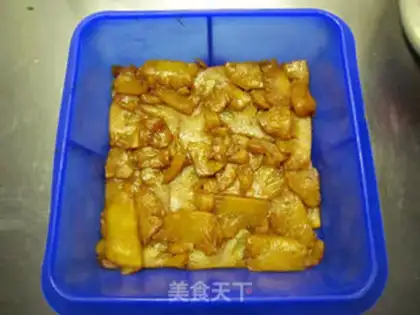
17
Pineapple laid in a pineapple in front of it, full。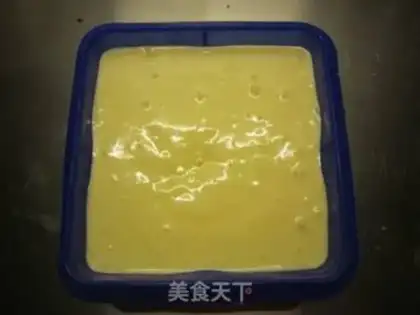
18
Put the cake in the mold with a full eight。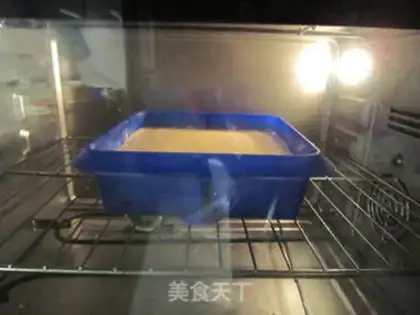
19
Baking time: The oven is 180 degrees preheated and the middle layer is about 170 degrees 36 minutes. The net is dryed out of the silica。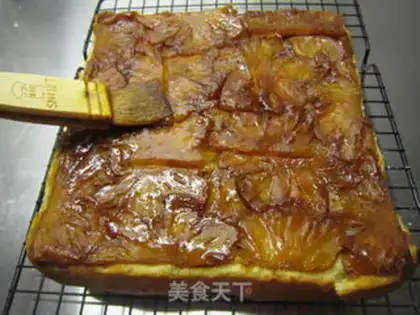
20
Just brush some of the pineapple juice from the filter。Caramel pineapple flip cake Make Tips
Xiao Yingzi's Tips:
1. The pineapple must be stir-fried until soft and drained. Once it is no longer hot, spread it into the mold to fill it completely, trying to avoid any gaps.
2. Baking time and temperature should be adjusted according to your own oven's temperament; do not follow blindly.
3. Sift the cake flour in 2-3 batches, folding well after each addition before sifting in the next one.
4. To avoid deflating the batter, pour the liquid added at the end over the spatula, allowing it to flow slowly from the spatula into the bowl.