Coco sponge cake
By VicentaLakin
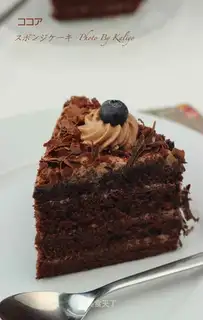
IT'S NOT PERFECT FOR A CAKE WITH ENOUGH BUTTER... BUT NOT ENOUGH! CAN YOU DO IT BETTER? IN RESPONSE TO A QUOTE FROM ESFONYE, THE ART OF COOKING IS SUPER-CHALLENGING WITH THE ONGOING REPETITION OF THE 6-INCH LIVING-DEPENDANT THAW IN THE MIDDLE OF A OVEN OF 180 DEGREES AND 30-40 MINUTES OF FIRE IN THE MIDDLE OF THE OVEN (THE MOLD IS PLACED IN THE MIDDLE OR LOWER OF THE OVEN): SILENT: THE MOULD IS ATTACHED TO THE COOLER SHELF, DEMODULATED (WHICH MAKES IT POSSIBLE TO LEVEL THE TOP), THERMAL GAS IS DROPPED SLIGHTLY, THE OIL PAPER IS TORN OFF, THE FACE IS TORN, THE COOLING PROCESS IS TO PREVENT SURFACE DRYING AND COMPLETELY COLD, AND THE HOT ROOM TEMPERATURE IS TO BE PRESERVED IN A CLOSED ROOM*-STYLE METHOD THAT REFLECTS THE FACT THAT AFTER AN EGG CREAM HAS TAKEN OFF, THE MIXING OF EGG POWDER CONTINUES TO FLOW* THE DAYTIME METHOD REFLECTS THE SECOND, COCOA POWDER IS NOT DIRECTLY JOINED, BUT BECOMES A MIXTURE OF SOLUTIONS, MUST BE MIXED, AND THE TEMPERATURE IS TO BE MAINTAINED BEFORE MIXING, AND IF THERE IS A PARTICULAR PARTICLE THAT AFFECTS THE ORGANIZATION, IT CAN ALSO BE ADDED THROUGH A SIFT*. HERE, THE HARD-BREATHED EGG CREAM, THE OBSERVATION, YOU'LL SEE IT'S MORE SUBTLE BECAUSE THERE'S A LOT OF SUGAR IN IT. WHEN ALL THE POWDER IS ADDED, KEEP GOOD HABITS. FLOUR SPREADS AND THE CREAM IS LIMITED TO AVOID COLLAPSE. FALL
Recipe Recommendations
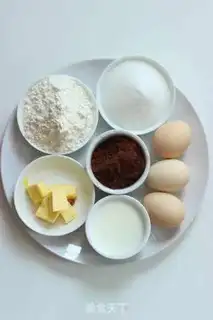
- whole egg of 3
- fine sugar 100g
- low-gluten flour 80g
- milk 55g
- butter 30g
- cocoa powder 20g
- sweetening
- baking
- an hour
- simple
Steps for Coco sponge cake
1
Prepare raw materials, low-banded flour, and separate cocoa flour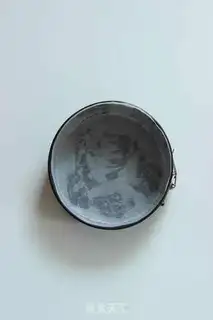
2
The molds are buttered and oiled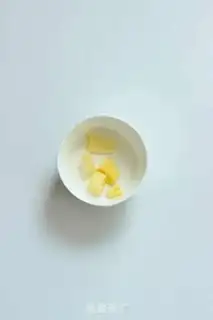
3
Milk and butter heat it up, melt it and keep it around 40 degrees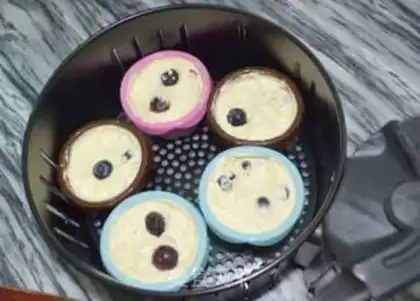
4
Joined by sifted cocoa powder, twitched to fine, bright, around 40 degrees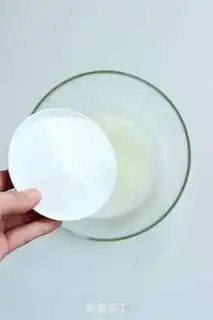
5
The egg was purified, three times a little sugar was transparent and white for the first time, a little angle for the second time, and a sharp angle for the third time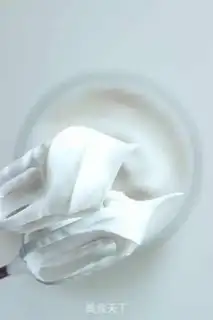
6
Ester frost to hard hair bubbles, full pointy foam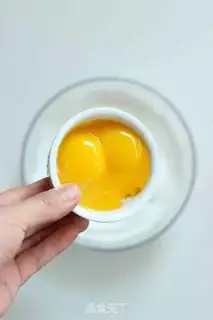
7
The egg yolk is added to the mixed cream and continues to use an electric omelet for about two minutes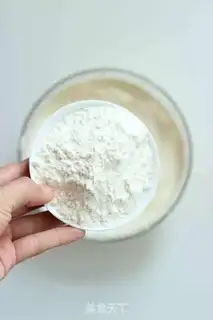
8
Add sifted low-banded flour, evenly mixed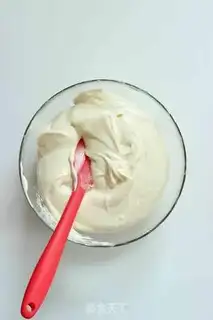
9
It'll be all right to flip, mix the flat paste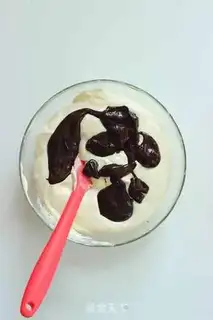
10
Add fine, light cocoa solution (milk, butter, cocoa powder mixture)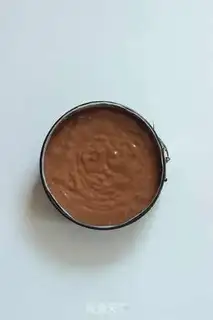
11
Into the mold from a high point, a bubble is blown out and placed in a preheated oven with a fire of 30 to 40 minutes in the middle of 180 degrees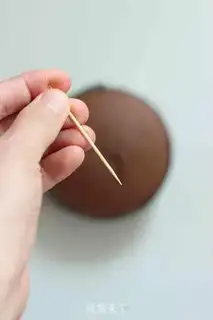
12
The baked cake, the toothpick, the faceless pasteCoco sponge cake Make Tips
I. About Sponge Cake
Origin of Sponge Cake: Utilizing the foaming properties of egg whites, the batter is filled with a large amount of air. After baking, the cake body becomes fluffy and porous, deriving its name from its sponge-like structure.
Whole Egg Method Sponge Cake vs. Separated Egg Method Sponge Cake
Whole Egg Beating: The whole egg is beaten together. The resulting batter has fine bubbles, creating a moist and soft texture.
Separated Egg Beating: Egg whites and yolks are separated. The egg whites are beaten into a meringue before being mixed together. It is soft but has a firm texture.
The Important Role of Eggs?
Sponge Cake: The soft texture is created by the eggs.
Egg Whites: Relatively viscous. During the beating process, they trap air to create bubbles, which provide a soft texture.
Egg Yolks: Possess emulsifying properties (can bind fats and water), maintaining the stability of the batter.
Both yolks and whites have the property of coagulating when heated, allowing them to shape the cake together with the flour.
In an ideal batter state, during the baking process, the air inside the bubbles expands due to heat, causing the cake to rise!
Sifting Dry Ingredients?
The dry ingredients used in the batter must be mixed quickly and evenly, and the ingredients must remain in a loose state.
Place the dry ingredients in a flour sieve, then sift them onto paper from a height of 15–20cm to ensure they are loose.
For cocoa powder, almond powder, etc., mix evenly first and then sift multiple times.
II. About Fresh Cream (Heavy Cream)
Here, decoration methods are not introduced in detail; a combination of chocolate whipped cream and chocolate shavings, garnished with blueberries.
Whipping Fresh Cream: You might do this often, but whether you are doing it correctly is another matter entirely.
General ratio of Fresh Cream: Granulated Sugar is approximately 100:8.
Use a whisk to beat. When the ingredients start to thicken, note that the foaming process accelerates very quickly, so you must observe it constantly.
Lift a small amount of whipped cream; if it flows down continuously, it is approximately 50% whipped.
Lift a small amount of whipped cream; if the tip drips down slowly, it is approximately 70% whipped.
Lift a small amount of whipped cream; if it does not slide off and feels thick, it is approximately 80% whipped (for spreading on a cake, aim for about 70–80% whipped).
Lift a small amount of whipped cream; if the tip stands upright, it is approximately 90% whipped.
If over-whipped, it cannot be spread or used for piping.
III. About Fresh Cream Variations
Whipped fresh cream has a light texture, a smooth mouthfeel, and a glossy appearance.
Strawberry Flavored Whipped Cream: Strain the jam, add it to the fresh cream whipped to about 70%, and beat.
Coffee Flavored Whipped Cream: Brew instant coffee into a very strong coffee solution, add at room temperature to the fresh cream whipped to about 70%, and beat.
Caramel Flavored Whipped Cream: Add prepared caramel cream to the fresh cream whipped to about 70%, and beat.
Chocolate Flavored Whipped Cream: Add chocolate sauce to the fresh cream whipped to about 70%, and beat.