Cinnamon rolls
By VicentaLakin
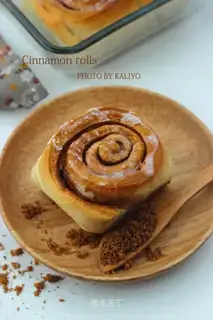
On October 4th, Cinnamon Roll Day, also the Swedish Folk Day, one of the most representative foods, The Seagull Cave, is about movies and food, about cinnamon rolls, remembering how beautiful they are when they make cinnamon rolls, their passion for food, their joy, their love for the kitchen, and we're often attracted, and I've been deeply involved in food-related matters since I wrote a food blog. If I had a café, only coffee and a limited amount of cinnamon, the fragrance of cinnamon would not be understood by everyone
Recipe Recommendations
- cinnamon sugar 7g
- cinnamon powder 7g
- Brush face whole egg liquid 30g
- frosting powder 50g
- sweetening
- baking
- several hours
- simple
Steps for Cinnamon rolls
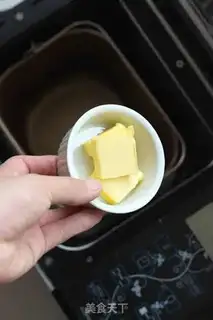
1
When the base noodle was smooth, the softened butter continued to rub the noodle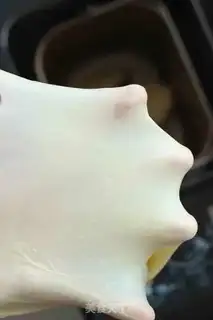
2
Take an appropriate measure of the contour, and show transparency and break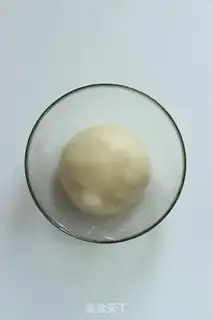
3
A little oil coated with containers and a lasagna, a wet cloth or a fermentation of the film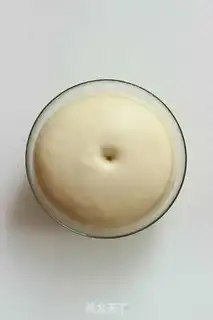
4
After fermentation to double the size, remove the exhaust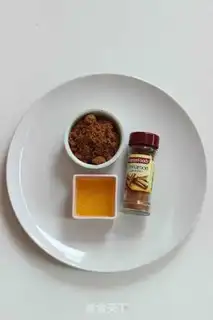
5
it's about 35cm and 70cm thick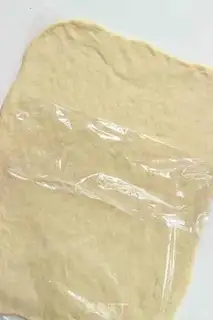
6
Prepare cinnamon raw materials, melt butter, evenly mixed cinnamon powder and cinnamon sugar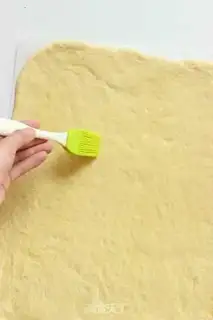
7
Take the proper amount of melted butter on the face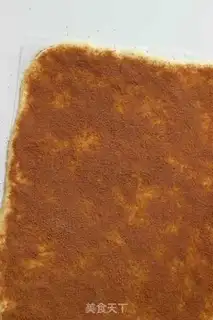
8
spread the cinnamon in a uniform way, with two centimetres or so on the side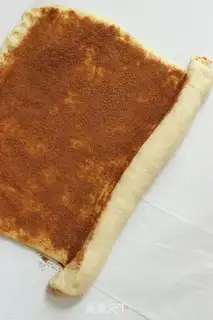
9
I'll leave it as a wrapping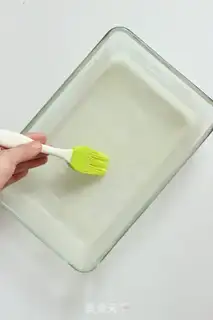
10
The remaining butter is painted on the mold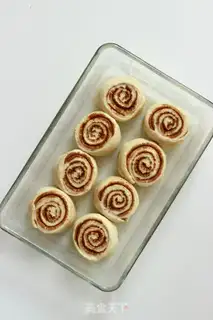
11
I cut the noodles, 10 equals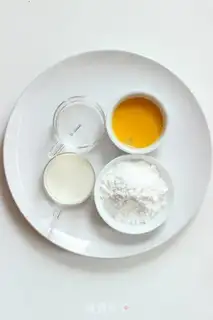
12
Be prepared to brush face and frost materials, preheat the oven 180 degrees upper and lower in the middle
13
Second fermented noodles
14
Brush the egg fluid in front of the oven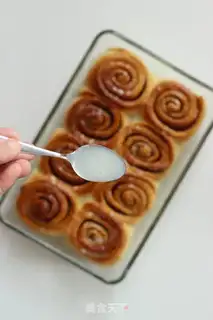
15
Sugar powder and milk are fully equilibrated into frosting, in warmer bread. Move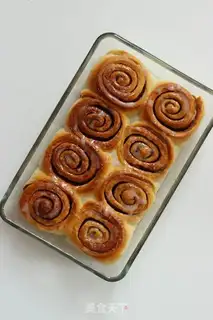
16
When it cools, it's translucentCinnamon rolls Make Tips
and about last year, the bread brush was taken from a book, and it was recorded on the notebook, and it just came to share it with you: * the skin looks more glamorous, sometimes the skin color is deeper, depending on the level of the brush;* the seeds can also be glued.* in the pasta, sesame, oatmeal, and so on. * there's no need to spray water when it's brushed for noodles (water darkens bread shell colours and affects brush effects)* the inside of the mouth and the skin of the mouth are cut in stark contrast to the three different types of skins: crumbs: water (spray or brush brush); some powder, chewy rough skin: flour (splatter); soft skin: melted butter has been clarified (swipe brush); soft brown skin: two large spoons of eggs and one small spoon of water mixed up with one small spoon of water used; brightly shiny gold brown skin: one large spoon of yellow and one small spoon of milk mixed with milk; very brightly smoothed tan skins: two large lumps of egg and one small spoon of milk mixed with one small spoon. two large spoons of clean water mix maize starch, with one quarter of the remaining glass boiled, maize plowed into the mix, small fire boiled for about 30 seconds, or the mixture becomes more compact and transparent. it cools to room temperature, brushes the face before it's baked, and then brushes it again while it's hot. "tablespoon" = 15mm1" = 5ml "cup" = 235ml "suspensive": *dry powder is not the same as water: *by adding liquids, fermentant containers are better * fermented, oil coating can also keep water from the skin of the noodle, in addition to preventing viscosion.* you don't feel evenly spread cinnamon. i suggest you go through the screening. this more evenly distributed side roll is a problem that will take a long time to practice