Sour gravy and a cop
By VicentaLakin

it's a luxury for dad to eat a meal when he's a kid, which he used to teach us. to fight and cherish, nature is the motto of growth! today, the speed and way in which food flows and evolves cannot be limited to geographical names. what should be said about “the xinjiang police”, and which is the authentic narrative? my first home, qinghai. the memory of the food until the age of 7 stayed in the large cabinet of the new house. a bowl of noodles and a plate of oily sour is a good meal for the whole family, and of course potatoes stored in the cellar for the winter are one of the partners. in 1997, there was a growing awareness of food as parents moved to xinjiang, but the importance of the noodles in my home was not changed. dad's favorite, three meals in the morning and three nights, "all in." i am ashamed to say that, based on the “pressure” of meal noodles, i have done almost nothing in the field over the years. i think it's time to thank mom for her legacy as a child, and not for the title of northwestern girl paper! it is essential to pull a cop, base noodles, which can be cooked with vegetable meat, cooking with soup, and eating with shame. the way to eat: in hot weather, pasta is usually cooked, with garlic and tomato eggs and celery paste made of acupuncture... and cold, with a spoonful of hot shampoo, radish potatoes... or a bowl of hot soup under the stomach, warming and warming. name: xinjiang spectrum, xinjiang fry, qinghai qinghai, etc., are basic late processing tastes different but do not have to be very convoluted: there is no special requirement for the width of the family members whose family members come to visit, since the family members are sometimes named for the pasta, and the family members of the qinghai family have special circumstances. mom, it's usually very delicate and a respect for guests. so how fine is it to be, and not to be too intruding! after all, family kitchens are not cloning machines and taste techniques need not be harsh. here, i've used the simplest mix, sour and twirl, to say that i'm not much of a twirl, just to take this opportunity to talk to you about studying here, and thank you for the teaching of this northwestern girl
Recipe Recommendations
- high-gluten flour 250g
- medium-gluten flour 50g
- cold water 165g
- salt 5g
- meat emulsion 100g
- sauerkraut
- wild mountain Pepper appropriate amount
- slightly spicy
- burn
- ten minutes
- simple
Steps for Sour gravy and a cop
1
PREPARATION OF FEEDSTOCK SALT FOR EARLY RELEASE INTO THE WATER AND RELEASE OF B MATERIALS INTO THE REFRIGERATOR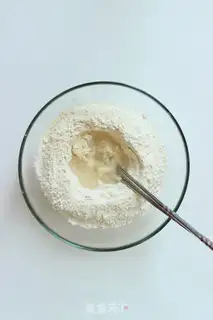
2
Water pours slowly into flour, not once, with a slight adjustment to the level of softness and hardness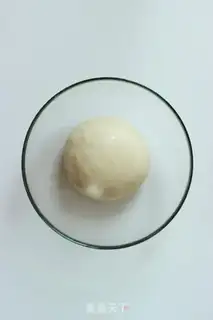
3
Synthetic smooth, flexible facials, 15 minutes of membrane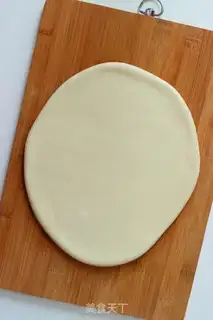
4
it's about 1 cm thick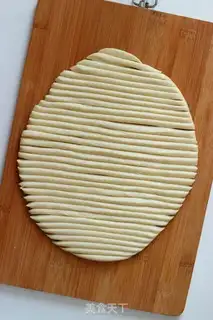
5
cut to about 1 cm long strip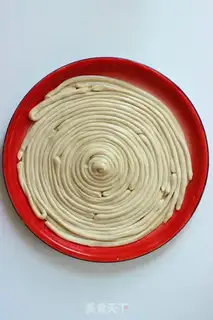
6
The vessel is oiled, the noodles are rounded together; each one is coated with a little edible oil to prevent adhesiveness; and the hysteria of the membrane chamber is lax for an hour
7
Noodles
8
Hot noodles, boiled, boiled, watered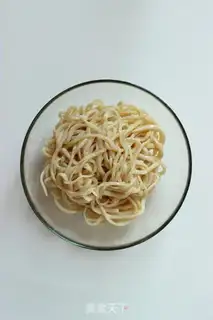
9
Noodles after a boiler can be immersed in cold water to feed, or can be extracted directly. even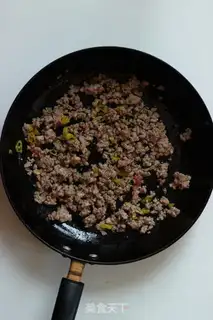
10
A little oil, a little pepper and meat11
And then the color changes and the sauce goes up and up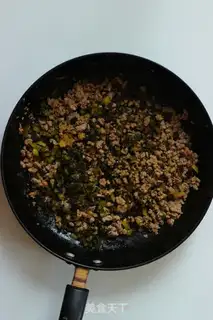
12
Cracked sour, boiled outSour gravy and a cop Make Tips
Hand-Pulled Noodles, a simple home-style dish. If you want to make them with a bit more finesse, you can refer to the following points. For kitchen novices, it is recommended to get someone to help during the noodle pulling stage; if that’s really not possible, just take it slow.
Tips:
Water Content: Among the three major noodle types of Qinghai—“Cuncun Jiupianzi,” and “Lia Tiaozi”—the water content increases sequentially. (The dough consistency ranges from harder, to moderate, to softer).
Humidity: During the process of mixing, kneading, resting, rolling, cutting, pulling, and boiling, cover the dough with plastic wrap as much as possible to prevent the skin from drying out and breaking the gluten.
Resting: Kneading the dough develops gluten, putting the dough in a tense state that needs time to relax. Rest at room temperature for 1 hour, or store in the refrigerator for up to 24 hours; if refrigerated, let it sit at room temperature for 15 minutes before proceeding.
Shaping: To facilitate later steps, cut the dough into thin strips and arrange them neatly in advance (this can be omitted).
Technique: “Light flick, even stretch.” The formed noodles undergo a three-point pulling motion: completed with both hands, palms facing up, holding one end of the noodle each. Stretch for 2 seconds—“allowing the force to flick it against the work surface and bounce back.” Repeat this process of gentle stretching continuously until you reach your desired length and thickness, then quickly put into the pot and continue pulling.
Boiling: “Dian Shui” (adding water) means adding a small amount of cold water after the noodles are all in the pot and the water has boiled. Cook over medium heat. Since you are pulling and dropping noodles into the pot one by one, if operating alone, it is suggested to drop in 5 strips, then cover and bring to a boil. Add water once, then serve. (When operating alone, the noodles stay in the pot too long; the first ones added are prone to overcooking, so do not add too many at once).
Rinsing: Rinse the noodles with cold water to enhance their chewiness.
Flour Selection: Use extra refined flour. This gives the noodles a smooth and springy texture, making them less likely to break during pulling and easier to handle for making Lia Tiaozi; using only high-gluten flour results in a harder texture, so a moderate amount of medium-gluten flour is added here for improvement.