Tea noodles
By VicentaLakin
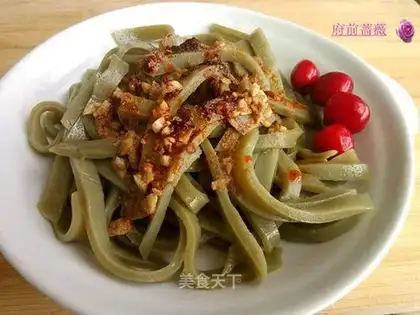
It's hot, and it's my favorite face to spend a little time at home making it easy. It's too many times, so you'll have a little bit of thought, a little bit of color, like tea powder, and it'll help you with the heat, right
Recipe Recommendations
- high-gluten flour 70 grams
- wheat starch 50 grams
- matcha powder 1 teaspoon
- salt 0.5 small spoon
- qingshui 150 grams
- Minced garlic appropriate amount
- sugar appropriate amount
- mature vinegar appropriate amount
- soy sauce appropriate amount
- chili oil appropriate amount
- sesame paste appropriate amount
- hot and sour
- cook
- an hour
- simple
Steps for Tea noodles
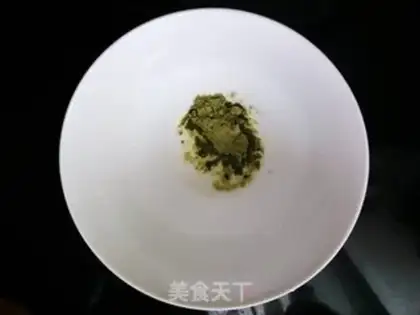
1
Take a small spoon of tea powder and put it in the bowl。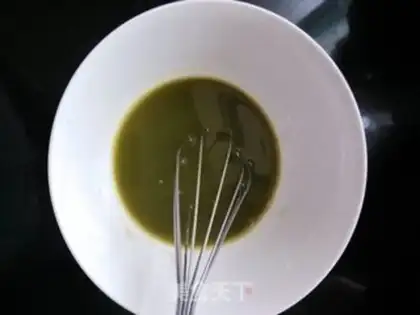
2
Fall into 150 grams of clean water。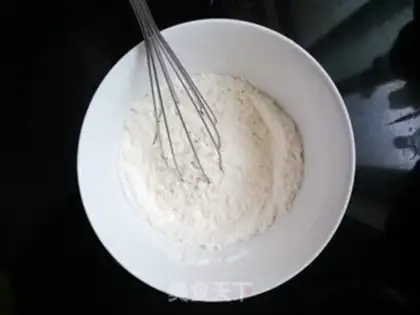
3
Take another bowl of 70 grams of high-strength powder, 50 grams of wheat starch and 0.5 spoons of salt. Smash it with an eggbeater。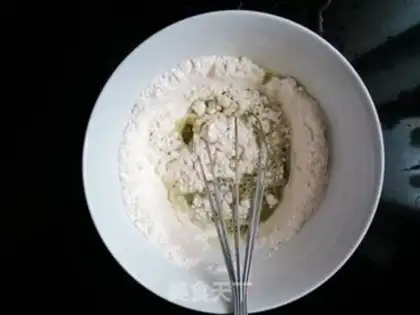
4
Pour tea and mix。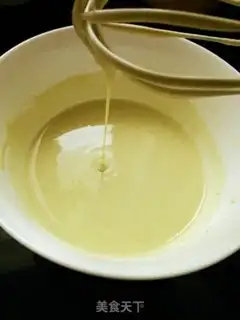
5
It's mixed up with an egg-beater and it'll flow down in a smooth line for 30 minutes。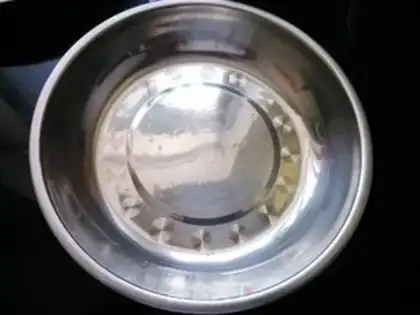
6
Dry, flat-floor stainless steel plates with a layer of vegetable oil on the base (used alternately by two plates)。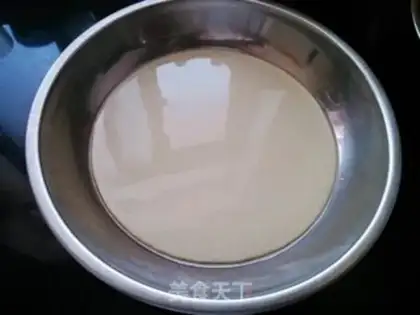
7
Based on the size of the plate, approximately one third of the face is thrown into the disk, to be distributed automatically。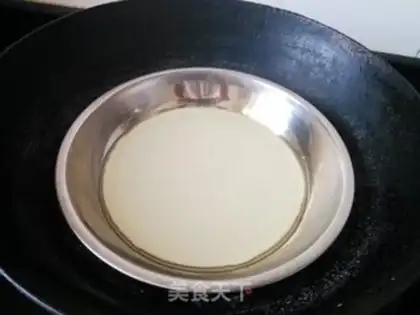
8
The pot shall be filled with water that will float a little bit more, and the fire shall burn until it is released。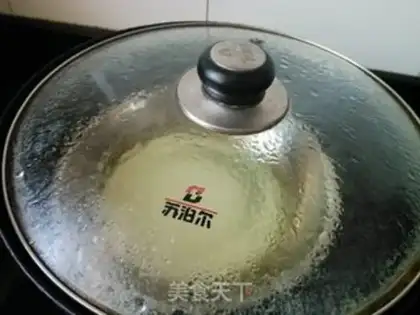
9
We'll put in a lid, we'll be in shape, we'll be in fire, we'll be in bubbles, I'll be in three or four minutes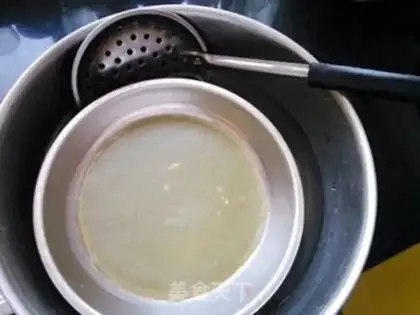
10
Squeeze the plate out and cool it in the pre-prepared water basin。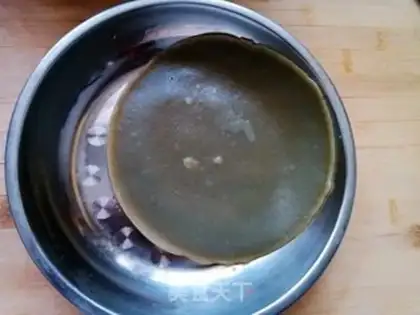
11
It's cooled and the skins are lifted。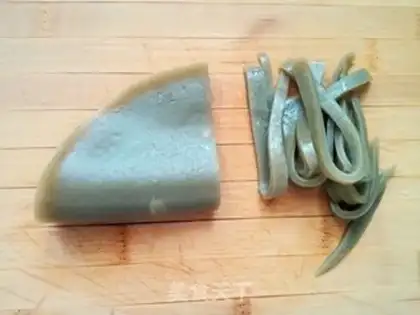
12
Erase a pair, Chess。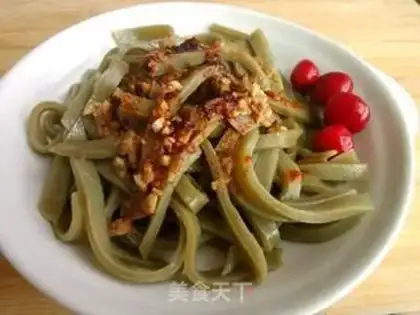
13
It will be sufficient to mix up on the skin the sauce made of a suitable amount of garlic chips, sugar, salt, raw smoke, sesame sauce and pepper oil。Tea noodles Make Tips
1. Since different flours have different water absorption rates, you can appropriately adjust the flour-to-water ratio. Stir the batter until there are no dry particles; it is best when the batter flows down in a smooth line when the beater is lifted.
2. The plate should be placed into the pot just before the water comes to a boil. Wait until the batter sets (becomes slightly transparent) before turning to high heat; otherwise, the boiling water surface will cause the batter in the plate to be uneven in thickness.
3. The flour-to-water ratio and the amount of batter scooped in will determine the softness and thickness of the wrapper.