Plum wine
By VicentaLakin
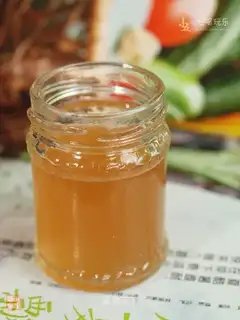
the first reading of the wine is from the birth anniversary of his life. fresh plums, 250 g of juice, flatted with rice wine, taken early in the summer, one cup at a time. it's beautiful for women to drink wine in the summer, so it's also called "silent wine". turns out that last summer, when i made the plum wine, it was only on the internet that i learned that it came out of the unnamed "lily summers, zilong lee, "lily summers eats the pelicans and makes the color beautiful." so the japanese woman is the li club, which takes the juice and drink, which is called the wine.” plum's juice to wine, it's huge, and it's only been on the market for a few days. it's better to be soaked with rice wine, with the first greens, sours, and the plums coming out. when it was opened this year, it was well-known that only a small bottle had been made last year. this year, two bottles of plum wine have been made, and it is hoped that next summer, when it comes to summer, we will enjoy sharing with our families and friends the "soft wine" of light glycol。
Steps for Plum wine
1
Pick fresh greens and wash them with rice wine。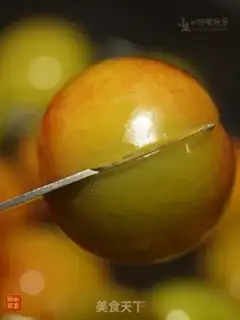
2
Put a knife on the plum, take it off。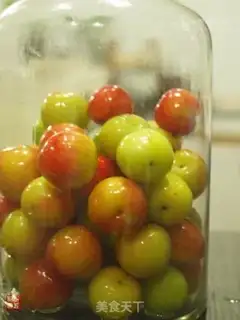
3
Places well treated plums in sealed containers。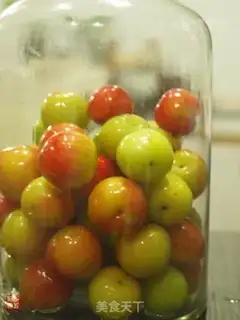
4
Places well treated plums in sealed containers。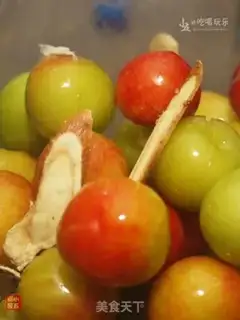
5
Add the licorice with rice。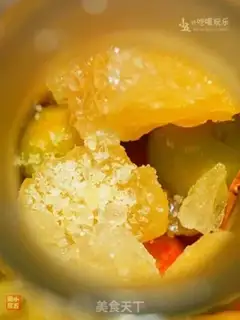
6
Add ice sugar。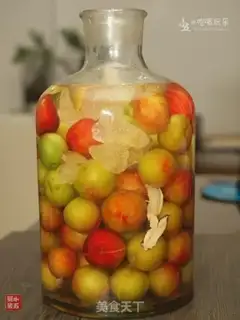
7
Pour rice wine。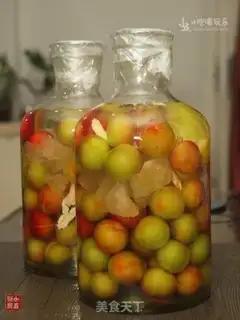
8
Cover it, seal it, keep it in the shade。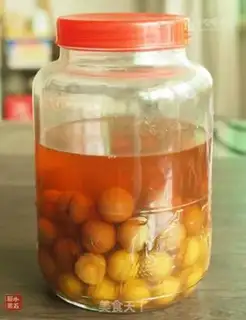
9
It can be unsealed for three months, but the pursuit of glycol will take years (plum wine immersed last year)。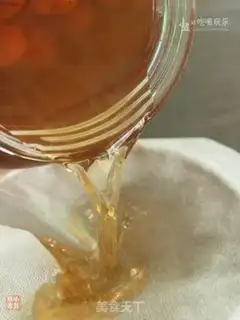
10
Unsealed filter out plum wine。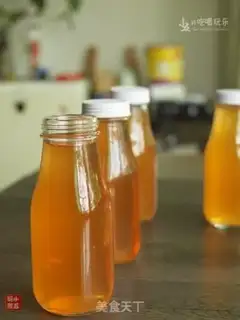
11
Plum wine is bottled and sealed in the shade。Plum wine Make Tips
The rice wine I used was at 50℃, and the resulting fruit wine has an alcohol content of around thirty-something percent. Fruit wine brewed with lower-alcohol rice wine has a more intense fruit aroma, but is harder to preserve. Adding licorice to the fruit wine soaking process is to help remove moisture; if sorghum wine is used, there is no need to add licorice. When washing the fruit, it is best to be a bit "extravagant" and pour some wine over it to clean it, ensuring the fruit does not get wet. The wine used for washing the fruit is not counted as an ingredient.