Onion noodles
By VicentaLakin
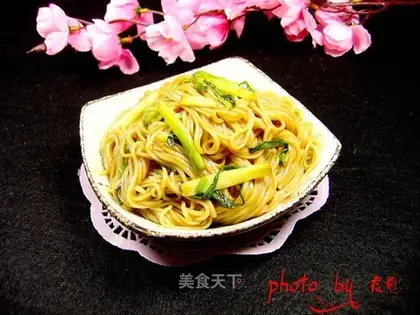
Chongqing, 5 July 2014. Hot weekend. Finally, Chongqing started the heat mode. We're running another show next week, busy again. You really don't want to work in this hot weather. And there's so much to say. Made a few days ago, onion noodles, very simple, only with very fresh sauce, onions and sugar. It's a very simple way to make onions, and there's a slightly more complex approach, which tastes slightly different and will be uploaded next time. - There's a lot of food that looks like onions lately。
Recipe Recommendations
Steps for Onion noodles
1
In the pot, three beams of fresh water, three beams of soy sauce (or raw pumping) are burned, and a beam of sugar is added to the reserve. (The proportion of water and soy sauce, and how much it can be determined by its own taste and face, is used to dilute the salt of the soy sauce while preserving the smell of sauce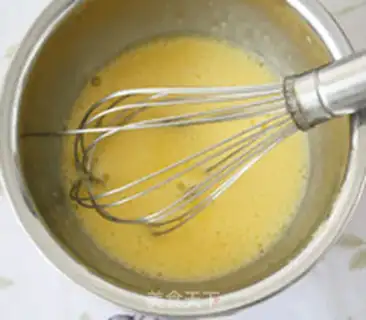
2
Onions cut and onions cut。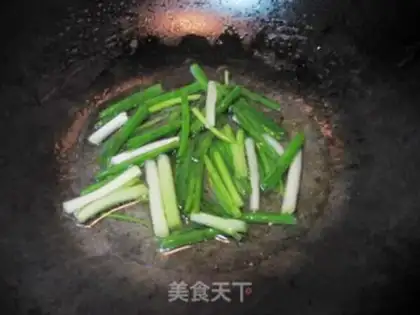
3
Fry onions: cold onions in cold pots, onions in small sections, fire on small fires to blow up onions. (The onions don't smell spicy, but there's a special scent. Fry with little fire to avoid bitterness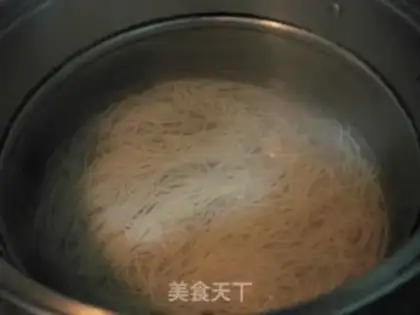
4
Boiled noodles: The water in the pot is boiled to the point where the noodle is fresh, then the sauce and onions are poured, and the onions are mixed. It's better to have a nicer face, like a dragon mustache, which tastes easier and boils until when there's no hard heartOnion noodles Make Tips
PS: Here is a summary of a few tips: 1. The ratio and quantity of water to soy sauce can be based on your personal taste and the amount of noodles. The water dilutes the saltiness of the soy sauce while retaining its savory flavor. 2. Compared to large green onions, small green onions (also known as spring onions) have a unique aroma. To make scallion oil, put the oil in a cold pan, turn on the heat, and use a low flame to avoid burning. 3. Thin noodles absorb flavor more easily. They have the best chewy texture when cooked just until there is no hard center. Of course, if you prefer softer noodles, that's a different story.