Little tuna ball bag
By VicentaLakin
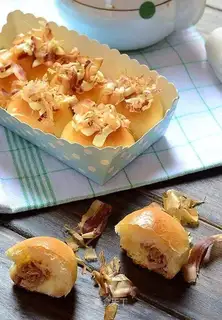
octopus, little octopus, little snacks you're supposed to see on the street, today's little octopus bread, which looks like an octopus octopus pellets. Needless to say, as I know, she's been making some kavaye stuff to trick kids. Yes, it's a little bread that's been taken seriously, it's lovely, it's cute, and it's a very nutritious tuna, and it's a good diet for the kids. It's not too hard to have a little bread, it's still an easy way to make it, and it's easy for new hands to operate. It's actually the best, I think, and everyone can make it easy. Old habits, above-the-box, like the kids' shoes
Recipe Recommendations
- high-gluten flour 200g
- eggs 40g
- milk 90g
- yeast 3g
- butter 15g
- salad dressing appropriate amount
- Muyu flower appropriate amount
- canned tuna a can of
- corn kernels 3 tablespoons
- white granulated sugar 30g
- salt 1g
- milk fragrance
- roast
- several hours
- ordinary
Steps for Little tuna ball bag
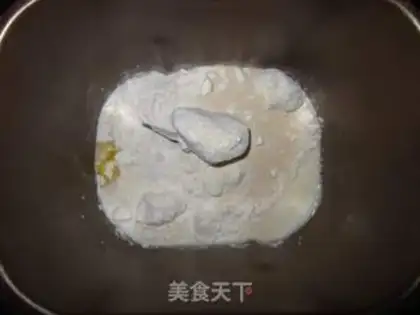
1
All the materials, except butter, are in the toaster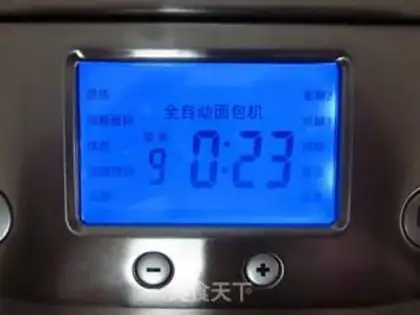
2
Select the nine-faced program to automatically wipe the bread machine for 23 minutes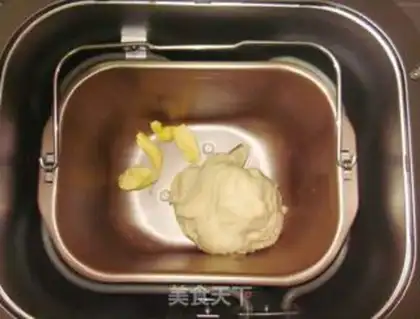
3
In 23 minutes, add butter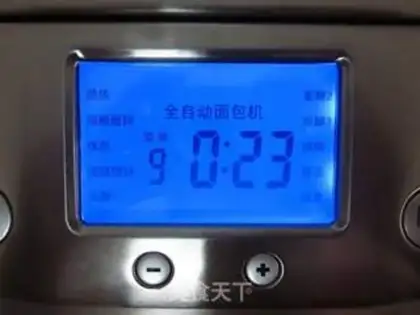
4
And pick the nine-faced app and make the toaster 23 minutes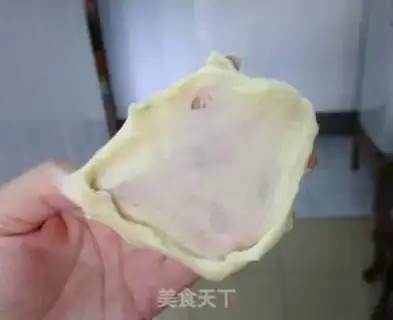
5
Scrambling to the noodle can pull out a strong thin film。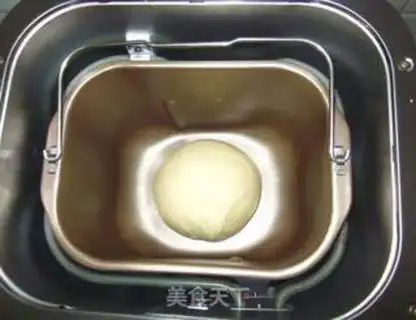
6
It's smooth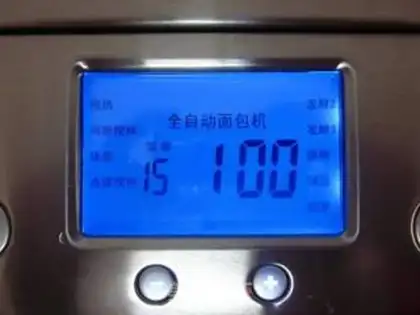
7
Then choose the 15-manufacturing procedure, the time selected is one hour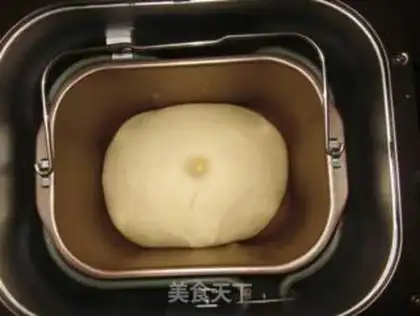
8
An hour later, the noodles were about 2.5 times the size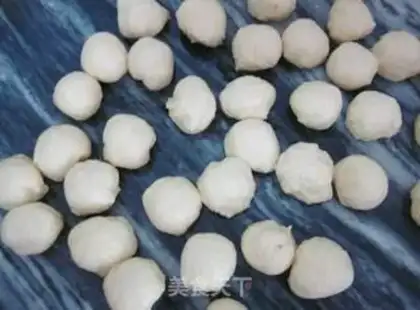
9
The rubbed pasta took out a small group of 10 grams, rounded it for 15 minutes。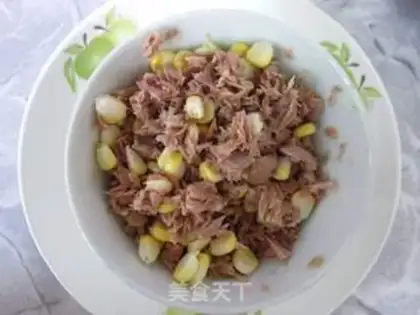
10
Bringing tuna and corn together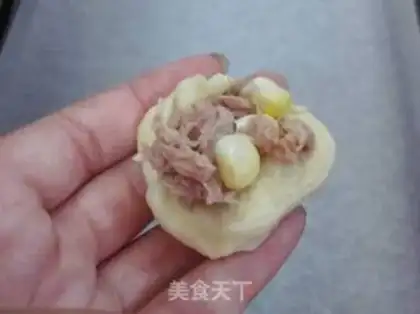
11
Then wrap the pie in the little noodle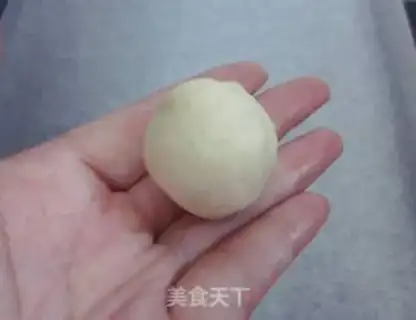
12
Shut up, round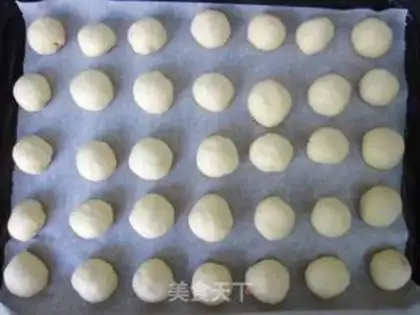
13
Put it in the oven。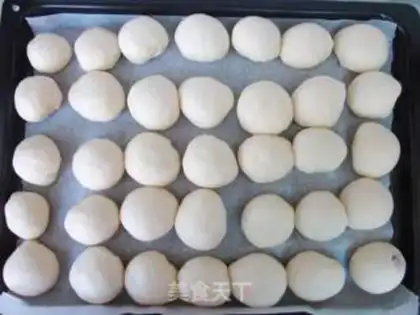
14
• Placing in the oven a whole bowl of warm water (about 70 degrees) at the bottom and closing the oven door to ferment an hour to approximately two times the size。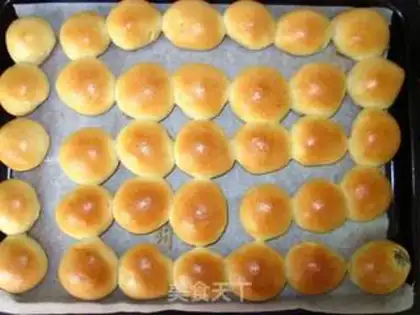
15
The oven is 180 degrees preheated, and the second layer is set on fire for 15 minutes。
16
Breads are taken out of the oven and placed in a box at a mild temperature, with the surface squeezed with salad sauce and some woodfish flowers。Little tuna ball bag Make Tips
1. With the current weather, opening the lid of the bread maker while kneading won't easily cause the dough to overheat. If the temperature is above 33 degrees, room temperature fermentation is perfectly sufficient. If it is below 30 degrees, it is recommended to use the machine for fermentation. When making these small buns, it was only 28 degrees, so I relied on the bread maker to help with the fermentation!
2. Every brand of flour absorbs water differently, so be sure to reserve 25g of liquid. Decide whether to add it in halfway through based on the condition of the dough.
3. Regarding fermentation time, factors such as yeast activity and the amount of salt used can affect the process, so fermentation time is not fixed. You need to be flexible and control the time primarily based on whether the dough has reached the required size!
4. For the final fermentation, I place a small bowl of water to allow the steam to maintain the humidity of the dough. With the water added, fermentation should be a bit faster, as the hot steam raises the temperature inside the oven, causing it to rise more quickly.
5. Once the bread is out of the oven, immediately remove it from the mold and place it on a wire rack to cool. When it is slightly warm, put it in a storage bag; the slight moisture at this temperature will soften the crust, making it taste better.