A loaf
By VicentaLakin
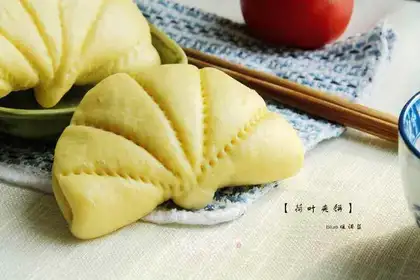
"holding leaves" is a hunan snack, which is famous for its very similar shape to that of the leaf. the "fruit cakes" are very soft and sweet and fit well with meatloaf food. breads and meat go with each other, and they're complementary and better! although the shape is very different, it's really simple, like our usual steam buns, but it's just a little bit of a trick in shape. if you're a steamer, you're gonna make this cake, too. this time you're making this cake, you're gonna have to add it to your home's "frozen pumpkin powder." pumpkin tastes and colours of finished products are not heavy, it's light, and there is nothing to omit. the following amounts can be made of about nine 50 g cakes。
Recipe Recommendations
- ordinary flour 260g
- pumpkin powder 15g
- white granulated sugar 15g
- odorless liquid oil 15g
- quick-growing dry yeast 3g
- qingshui 130g
Steps for A loaf
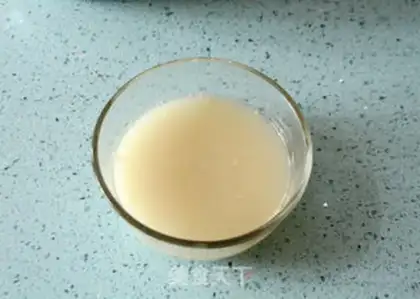
1
(b) Early decomposition of yeast powder in water and mixing to the melting of yeast powder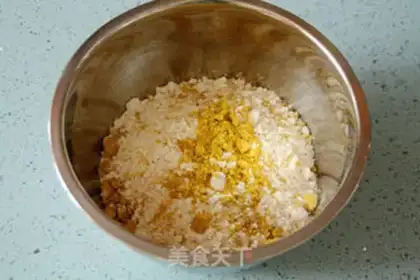
2
(b) Flour mix and pumpkin powder, sugar white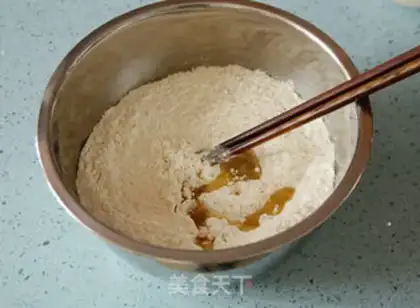
3
(b) Add odorless liquid oil, with a slight mixing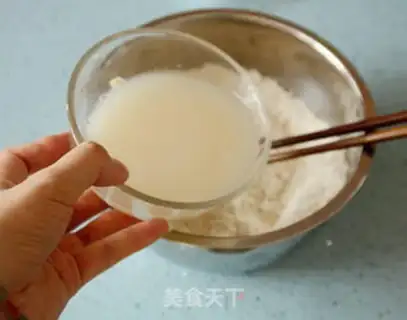
4
(b) The slow addition of yeast solutions to be mixed with each other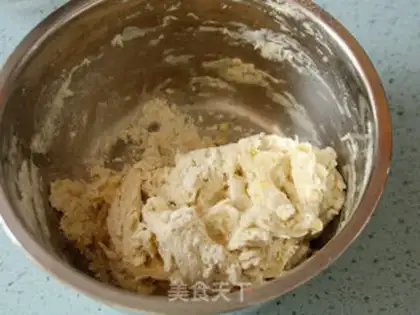
5
(a) To a state free of dry powder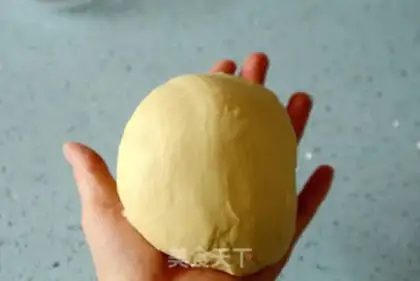
6
And then you rub it with your hands and make it a "3-ray group."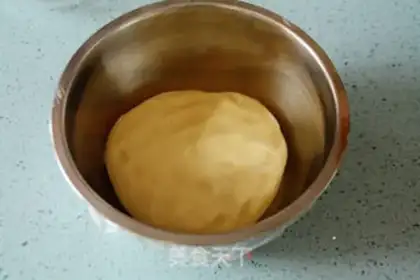
7
Noodles are placed in the basin, covered with lids or film, and fermented in warmth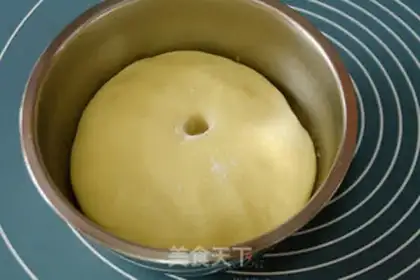
8
(b) Fermentation to twice the size of the original size, dry fingers in a hole, no backsliding, complete fermentation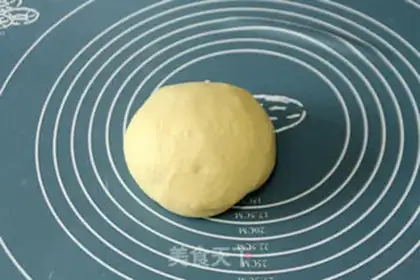
9
Dry powder (out of weight) is placed on the board, which is rebranded into a smooth pasta, which is almost equivalent to a soft hardness before fermentation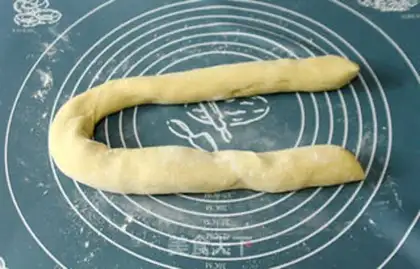
10
(a) Scratch the noodles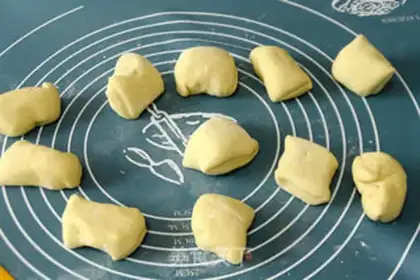
11
cutting into 50 g a little agent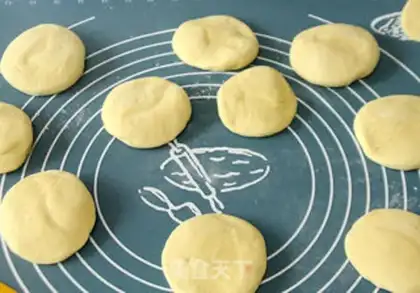
12
Spray some dry powder and flatten the small agent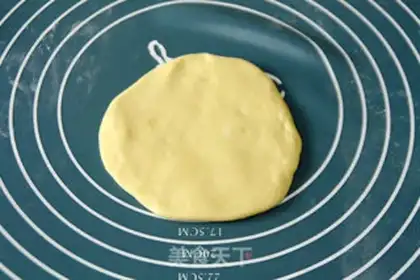
13
13. to remove a small agent and to open a circle of about 5 cm in diameter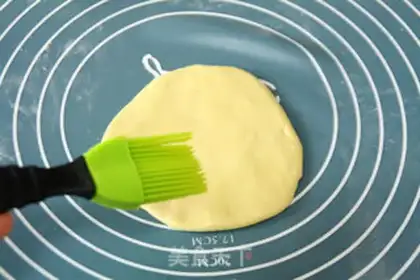
14
(b) Brush a thin oil on the side of a rounded noodle (savory liquid oil 2)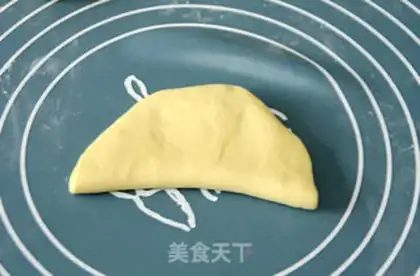
15
Then the pasta is folded and the oil is painted on the inside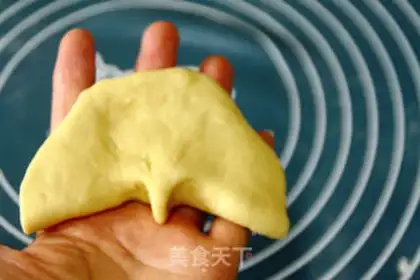
16
The middle of the pasta is a tiny tip of the thumb and index finger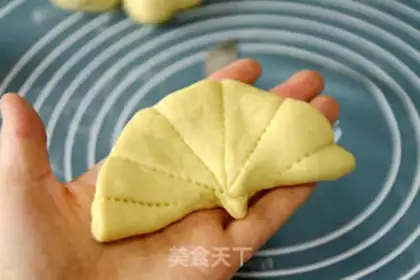
17
A line is then carved on the cake with a comb or a tooth on the back of the knife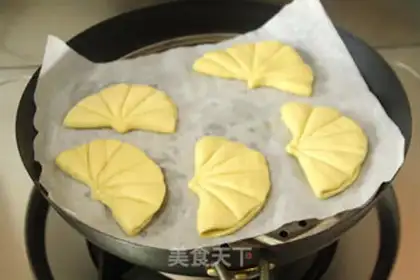
18
(b) Put in a steam pan, covered with a lid, and eject 15-20 minutes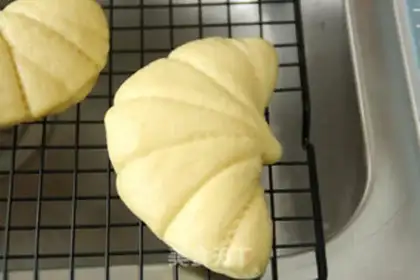
19
After the fire, it continued to steam for 13 to 15 minutes, when the fire was shut down, and thorium for 3 to 5 minutes, so that the top of the pot could be lifted slowly, so that it could be eaten as cold as heat。A loaf Make Tips
1. I personally prefer to dissolve the yeast powder in clean water first, as this allows for a more even distribution; 2. After fermentation, be sure to knead the dough smooth again to remove air bubbles. You can add an appropriate amount of dry flour during the process. This ensures the surface of the steamed buns is smooth. I kneaded for about 5 minutes; 3. If it feels sticky during the process, sprinkle a little dry flour to prevent sticking; 4. The size of the dough portions is up to your preference; I think 50g each is quite large. If the buns are made smaller, reduce the steaming time later; 5. After shaping the dough, let it rest and proof for 20 minutes to make the steamed buns softer and fluffier. Therefore, make the cuts slightly deeper to prevent them from disappearing after fermentation; 6. After steaming, do not open the lid immediately; let them sit for a few minutes before slowly removing the lid to keep the surface of the buns smooth.