♪ Make the black pearl dry red ♪
By VicentaLakin

black pearls are dry, using the black pearl grapes produced locally in 2013 from the smokers, which ferment after 7 days, two rounds for 30 days and a year after a 60-day bottle. a year later, the dry radiance gave a surprising charm. when the bottle is opened, the fragrance, the glycol, the taste, the fragrance of the lips, the desire to stop. this time, 62 pounds of self-made wine, 35 bottles of wine, 85% of the month.
Recipe Recommendations
- Fresh Black Pearl Grapes
- pectinase appropriate amount
- Imported red wine yeast appropriate amount
- Imported zymosan appropriate amount
- Imported yeast nutrient salt appropriate amount
- Imported medium toasted oak slices appropriate amount
- Rock sugar or white sugar appropriate amount
- lactic acid bacteria appropriate amount
- potassium metabisulfite appropriate amount
- grape skin tannin appropriate amount
Steps for ♪ Make the black pearl dry red ♪
1
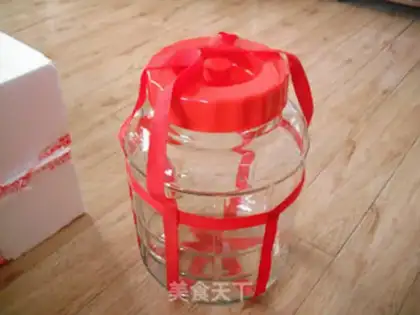
Prepare a brew bottle in advance. 25 litres and 15 litres and 1 5 litres and 1 2.5 litres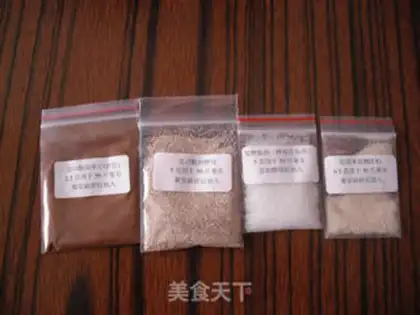
2
preparation of various supplements (as described above) and support tools. auxiliary tool electronics (g) with a sugar scale of 1.0 and a thermometer of 1 thermometer per cylinder of 0.9, a filter at 200 m, a filter bag with a two-metre bottle of 1-2 bottle of medical alcohol (500 ml) clean kitchen towels of 2 large stainless steel basins with 1 - 2 shredded net (or replaced with a double tea plate with an 0.8 cm grid)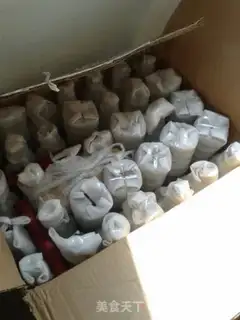
3
The following can be purchased during the sprout (preparated at 80%). 50 corks, 50 wines, 50 hot caps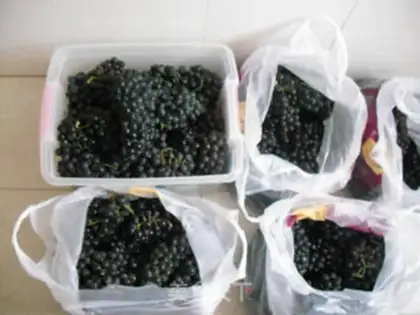
4
Fresh wine wine. Check if there's any rotten fruit. Remove it in time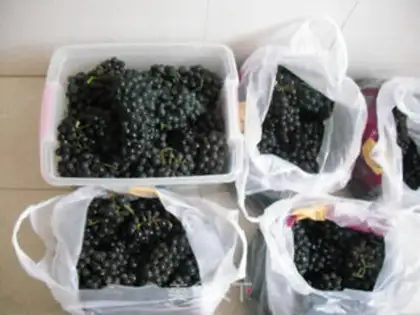
5
Fresh wine wine. Check if there's any rotten fruit. Remove it in time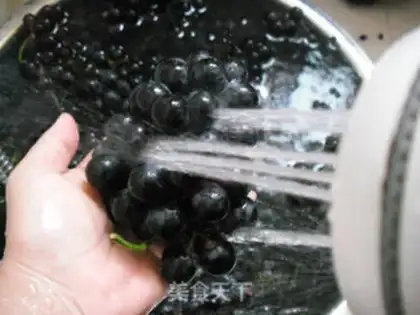
6
Put the grapes in the water and wash them clean。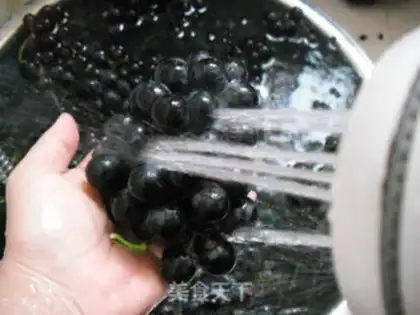
7
Put the grapes in the water and wash them clean。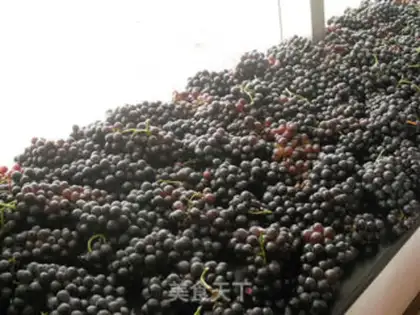
8
Clean the table and dry the steam。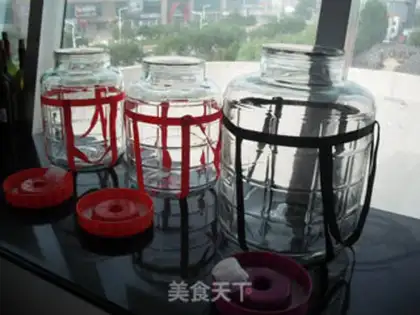
9
during the discharge of grapes, the brewers are disinfected one by one. brewers are cleaned using a ratio of potassium sulphate 12.5 g:80 kg of water. focus can be fungicide. the water in the bottle is dried with boiled kitchen cloths, which are then erased with medical alcohol。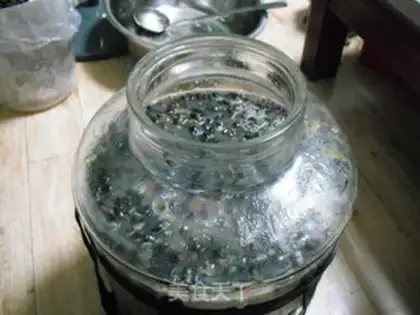
10
Start breaking. The bottom of the wine brewer is placed in potassium sulphate, which is given a ratio of 12.5 grams to 2.58 grams per 100 pounds of grapes, and starts breaking grapes. When it's broken, it's evenly mixed. Put the brewer in the shade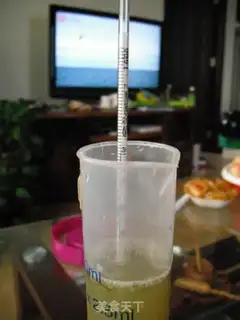
11
grape juice, measured by a scale of 1-1.1, measured at 1.072, converted to a sugar content of 162 grams, which produces 9.5% wine. the need to increase alcohol levels requires the addition of some ice sugar or white sugar. sugar conversion tables are available in my journal at http://home.meishichina.com/space-24092-do-blog-id-540078.html: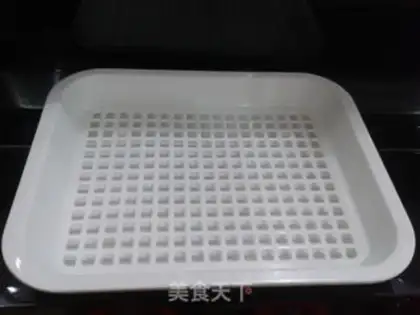
12
Note: Fragmentation is a time-consuming and labour-intensive exercise, known to those who do wine. My grapes in 2013 were broken with their hands, three packs of grapes spent three nights, at the latest until more than 3:00 a.m. In 2014, a double cup of tea was used instead of a broken net, and 150 pounds of three people broke in 1.5 hours。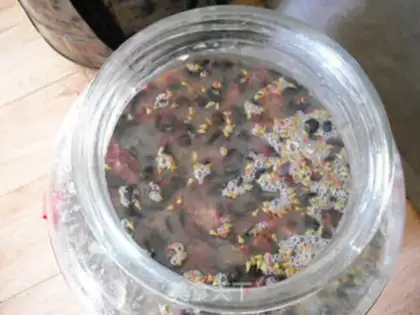
13
Four hours later, the gelase ratio was 1 gram: 100 grams. (b) Dissociate the fruit enzyme with pure or cool water at 1:10 and mix it in grape juice. The mixing can use about half a metre of long spoons, each with alcohol disinfection before use. Add yeast sugar, yeast nutrient salt (fermenter assistants), oak chips, brewers, and so on, and cover the bottle, so that the gas produced by fermentation is released and the yeast breathes。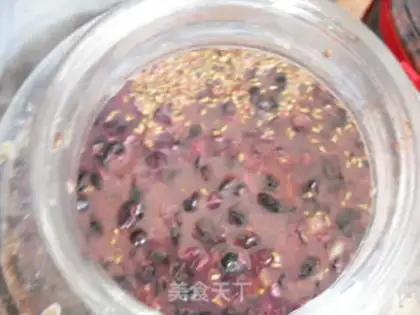
14
After the day after the addition, the fermentation begins, two to three times a day, and the grapes are pressed into the grape juice and immersed in the wine juice in order to extract the lin and other health components of the grapes. The fermentation temperature does not exceed 30 degrees and the temperature is reduced over 30 degrees. The smoker's temperature was 20-22 degrees and the fermentation temperature was up to 28 degrees。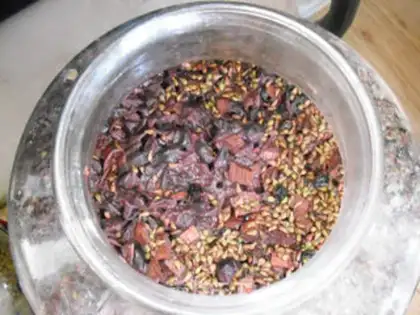
15
on the third day, the fermentation became apparent; on the fourth day, the fermentation began to flourish, the leather juice was separated and a lot of bubbles were produced. based on the amount of sugar measured above, glucose or sugar is added and evenly mixed. this is proposed to be 13% dry red, with an increase of 17-19 g sugar per litre, calculated as follows: glucose = glucose = glucose × (worms desired) - corresponding degrees of wine based on the measured weight of grape juice) x 18 (or 17 or 19) = 9.5% sugar in this grape juice with sugar (13-9.5)* 19g/kg *62 kg (gravin weight)* 80% (drinking) = 3298 g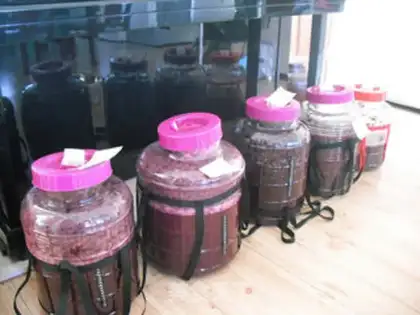
16
The fermentation is intense, the leather juice is separated. From the seventh to the eighth days, the temperature drops to room temperature or sugar to 0.997, and the fermentation stops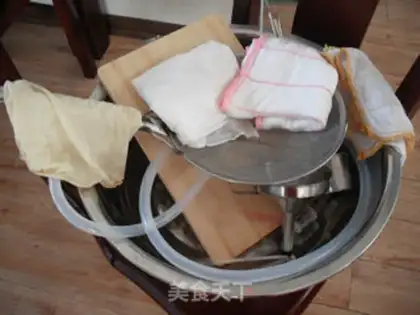
17
Water is boiled to various tools and instruments for disinfection. It is not possible to use open water for disinfection. Then get ready to filter。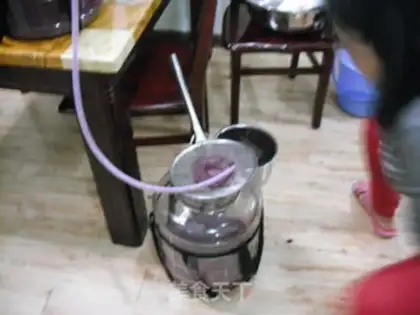
18
Use the iris method to inhale the coarse rainbow to a new bottle of disinfection, and to make a crayon, which is filtered with grapes。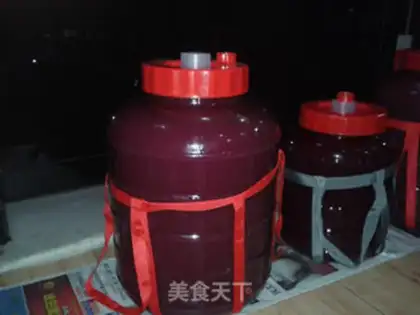
19
When brewing, wine bottles must be filled, preventing air infiltration and oxidizing wine juice。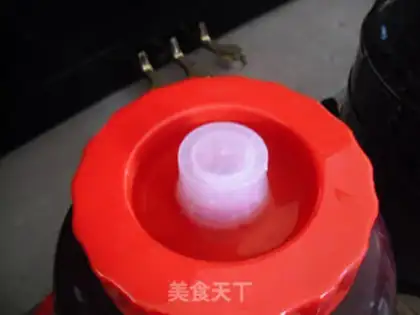
20
Tighten the cap and seal the top vent with a one-way valve. There are no one-way valves, which, like me, cover the vent with a single-way cap with a brewer bottle. The bubble is venting during this period. One day later, add lactate. Method of use: lactate, 1 g for 200 pounds of grapes. The lactate is dissolved in the open water at a 1:10 ratio, and after 15 minutes of activation, it is evenly mixed in the wine。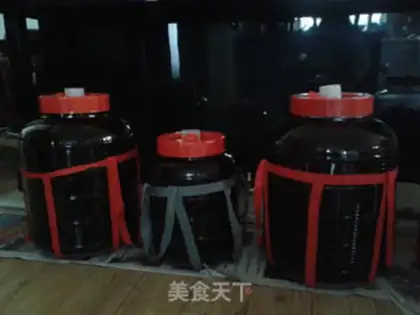
21
Two rounds of dry red. Second fermentation 20-30 days. Temperature control at 20-15 degrees. A bottle of wine with a covering and a shade of light. The water on the cap will need to be checked periodically to flood the exhaust valves to prevent air entry in a timely manner。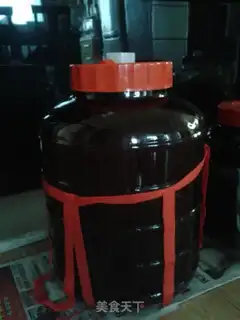
22
The second fermentation ended and the upper part of the bottle was filtered to the new disinfection bottle. Add the grapes and the oaks for six months. For long-term preservation, protection against the deterioration of wine oxidation can be added to a three-to-five-gram ratio of 12.5 g to 2/3 per 100 kg grape. This may also be done without prejudice if the drinking can be exhausted within one or two years and the brewing, filtration and disinfection processes are in place。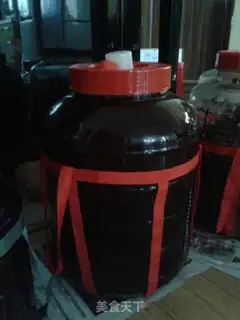
23
Six months later, the wine was again filtered into the disinfected new bottle and the oaks were added for 5-6 months. Or go bottling, go on. Temperature 18-15 degrees. It'll be better to bottle after a year, and the oak smells more prominent。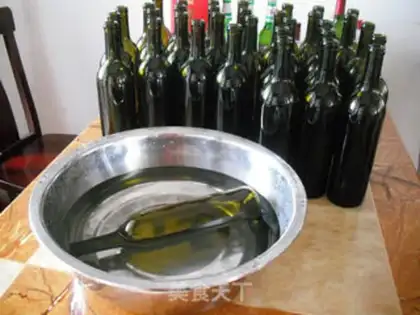
24
When bottled, all tools (circles, siphons, etc.) are boiled with open water for a few minutes to disinfect, bottles of alcohol are first regenerated and then filled with alcohol。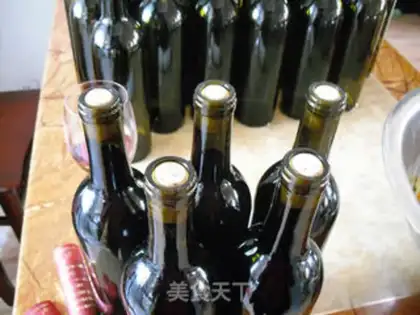
25
be careful to leave room for corks. the corks can be imported with 21-22 mm of good quality, with rubber hammers, a few laps of the corks and smaller, and then into the bottle. it's more labor-saving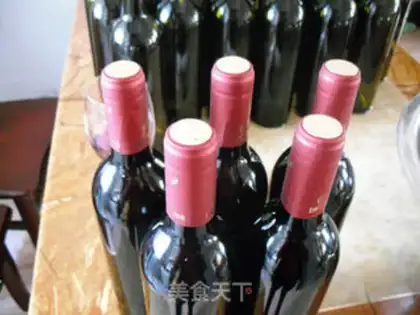
26
Put on the hot cap and use the wind blower to shrink。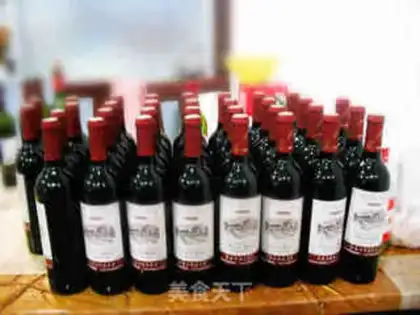
27
The bottle is labeled, and the gorgeous homemade red is born. Keep them in cool, light-shield, ventilation and dry areas。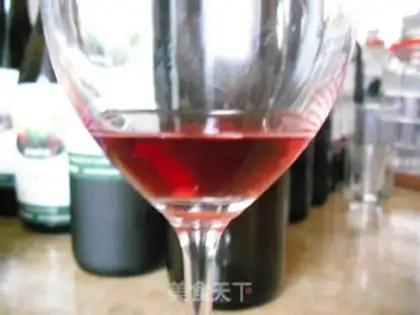
28
The wine at the end of the broth. It all smells。