Potato Curry Chicken Pot
By ErwinKunde
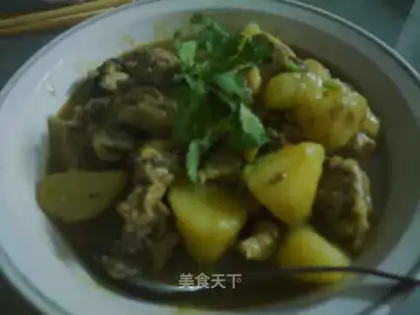
Ingredients: salt,soy sauce,chicken soup,sugar,cornflour,oil,curry powder
Recipe Recommendations
- chicken soup 1.5 cup
- curry powder 2 tablespoons
- sugar 1/2 teaspoon
- cornflour 1 tablespoon
- oil 1 tablespoon
- soy sauce 1 teaspoon
- salt 1/2 teaspoon
Steps for Potato Curry Chicken Pot
1
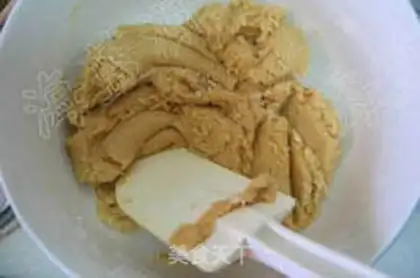
Wash the chicken spleen and chop it into pieces, add salt and sugar, stir in the seasoning and marinate for 10 minutes. Wash the potatoes, peel the skin, cut the corners, soak in salt water for 5 minutes; mash the onions and ginger, and slice the dried onions.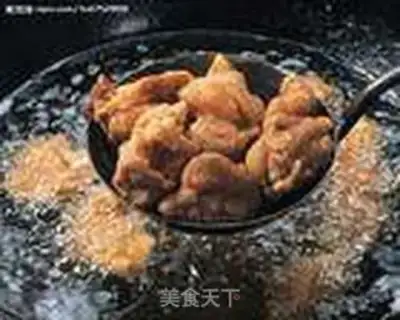
2
Soak the marinated chicken parts in boiling oil and pick up for later use. Blanch the potato horns in boiling water for three minutes and pick up for later use; this gives the potato horns and chicken two different tastes! The chicken nuggets are fragrant, and the potato corners are soft and smooth.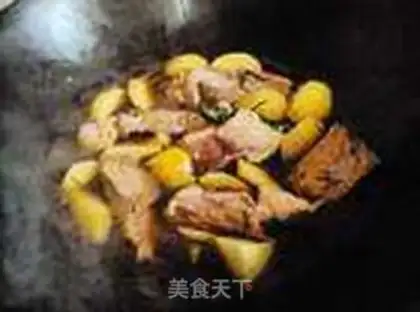
3
Heat 2 tablespoons of oil, saute the turmeric powder and dried onion slices until fragrant, stir-fry the chicken until slightly yellow, add, and saute the potatoes together for 2 minutes.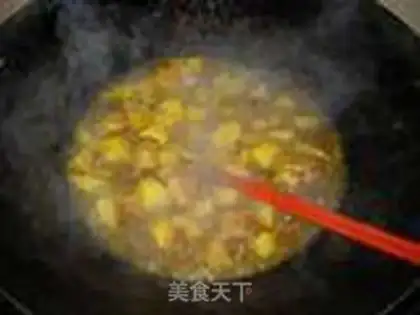
4
Add the curry powder to the water, add it to the chicken nuggets and potato wedges, add 4 bowls of water, stir fry, bring to a boil, and then switch to slow heat and simmer for 12 minutes.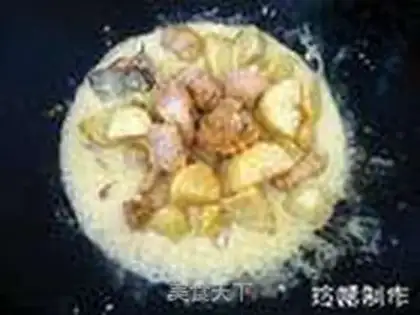
5
When the water in the pan is slightly dry, add 1 bowl of coconut juice, a little salt and a little sugar, simmer for 5 minutes, wait for the water to become smoother, and roll.Potato Curry Chicken Pot Make Tips
This is an appetizer, and curry warms the stomach! You can eat several bowls of white rice with juice! Tips for food comparisons: Sweet potatoes: Avoid eating sweet potatoes with persimmons, tomatoes, white wine, crabs, and bananas. Sweet potatoes and persimmons should not be eaten at the same time in a short period of time. If there is a large amount of food, they should be separated by at least five hours. If eaten at the same time, the sugar in sweet potatoes will ferment in the stomach, which will increase gastric acid secretion, and the tannin and pectin in persimmon will react with precipitation and condensation, producing hard lumps. If the amount is too serious, it can cause gastrointestinal bleeding or cause gastric ulcer.