Honey sponge cake
By VicentaLakin
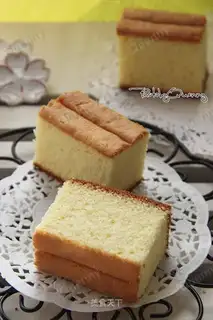
today, this cake, which only uses simple materials, is fragrance of light honey, which is the smell of childhood in memory. and when it comes to cakes, the first thing you should think about is chimpanzee cakes, but this time i'm making another -- sponge cakes. people call it "seven madness" or "air madness" because it's not easy to succeed, and i've got a sponge cake today that's easy to do with just a few things that need to be noticed (last with a detailed explanation): 150g low-banded flour, 125g sugar, 5 eggs, 35g corn oil, 25g honey
Recipe Recommendations
- low-gluten flour 150g
- fine sugar 125g
- eggs of 5
- corn oil 35g
- honey 25g
- sweetening
- roast
- an hour
- ordinary
Steps for Honey sponge cake
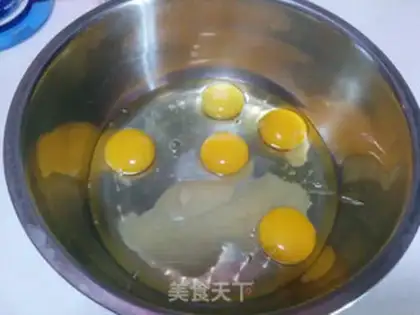
1
Put eggs in the basin and join honey
2
Smuggle evenly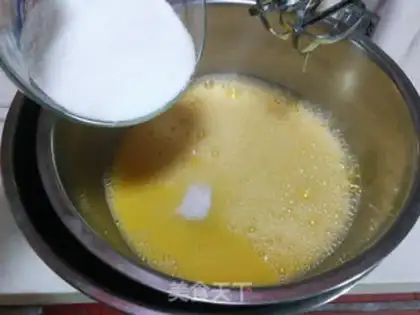
3
I'll put an egg basin in the hot water, and then I'll put sugar in it and I'll give it away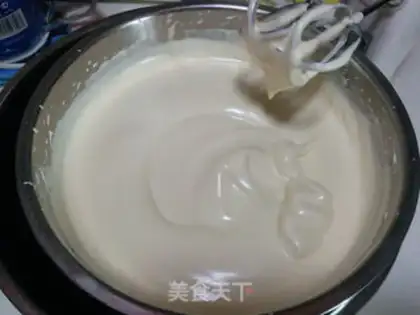
4
(b) Scramble to the point where traces of egg paste drops do not easily disappear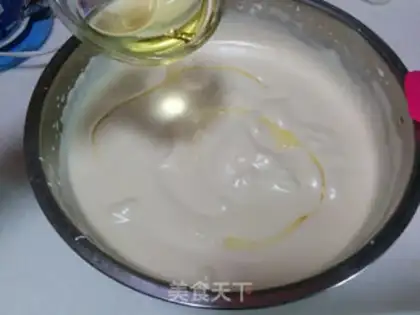
5
Put corn oil in the pot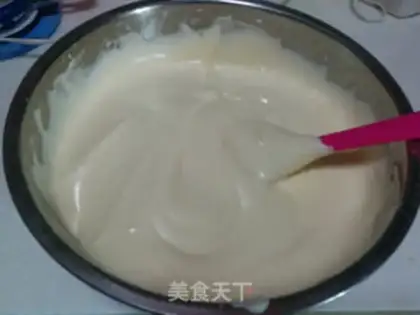
6
Scratch it quickly and evenly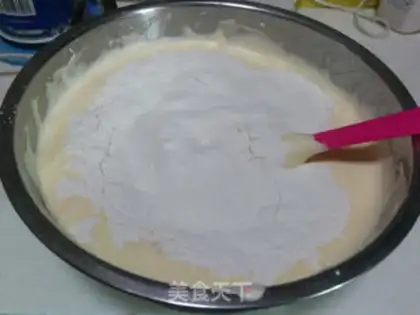
7
Scan low-banded flour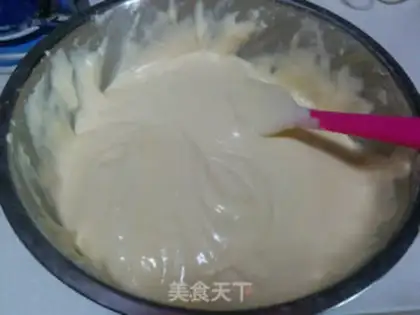
8
Flip evenly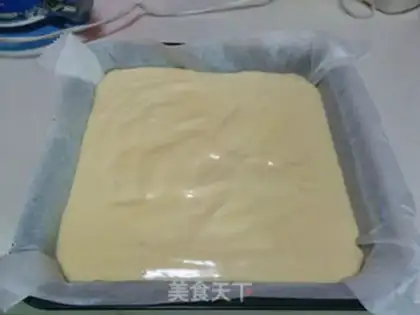
9
I'm gonna dump the tattered cake on the board. Medium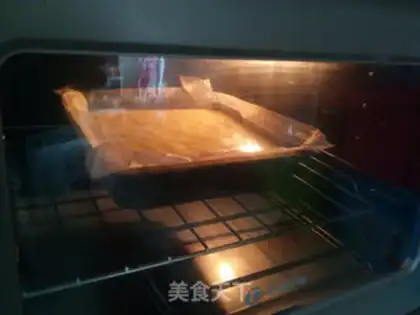
10
It's in the middle of a preheated oven. 180 degrees, 35 minutes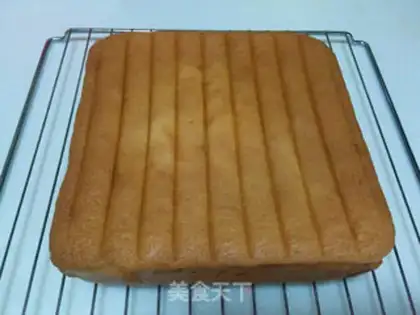
11
When you're out of the oven, take the cake off and put it upside down on the net, remove the oil paper, and you can eat it with a coldHoney sponge cake Make Tips
1. The honey I use is crystallized linden honey; stirring it from its crystallized state makes it fluid, but the color still looks whitish. You can use any type of honey you have at home~
2. For beating whole eggs, it is generally better to use room temperature eggs. Additionally, placing the mixing bowl in warm water while beating makes the beaten egg batter more stable;
3. Judging the degree of beating is very important; if you proceed to the next step without beating enough, the egg batter will easily deflate. My method for judging during beating is simple and mainly involves two points: First is time; using an electric mixer on high speed, you must beat continuously for at least 12 minutes to achieve a relatively stable beaten state. The other method is to observe the state of the dripping batter. When the batter falls into the mixing bowl, the trace does not disappear immediately but lasts for a short while before slowly fading, and the batter remaining on the beaters can form an inverted triangle shape. If it reaches the state described above, then the beating is definitely fine;
4. Regarding the folding action after adding oil and low-gluten flour, first note that you should fold lightly and quickly. Also, pay attention to the technique; absolutely do not stir in circles, but rather fold the batter like you are stir-frying. If you picture the mixing bowl as a clock, when folding, first cut the spatula in at the 1 o'clock position, then scrape along the bottom to the 7 o'clock position, and then flip up from the 8 o'clock position. While performing this cut-scrape-fold motion, use your other hand to rotate the mixing bowl counter-clockwise. Coordinate both hands to complete these actions simultaneously. Folding this way allows you to mix it quickly without deflating the batter;
5. After the sponge cake is baked, there is no need to cool it inverted like a chiffon cake before removing it from the mold. You can remove it from the mold and peel off the parchment paper immediately after taking it out of the oven, and whether or not you invert it doesn't make much of a difference. The surface of the freshly cooled cake will be somewhat hard and dry, which is normal. Place the cake in a bag and seal it for half a day, and the skin will become very soft, and the texture will be even better than when it just finished cooling~