♪ A chrysanthemum stew ♪
By VicentaLakin

Toads steam eggs, but we eat them all the time. But it's a living clam. It's not like we've ever done that with iced shellfish. So very curious. It's been a long time, and I finally found the box. We usually steam eggs, and in order to make them more watery, we mix some fresh water with egg fluids. But it's quite different. And it is made of green mouth shells, which are then mixed with egg fluid, and converted into evaporation. I think it'll be delicious to do this with a big golden cow's sensitivity to food! I don't know. It turns out this steamed egg smells better than the usual, and it smells good! Because it not only has the cranberry gravy from the steaming process, but it also contains the sweet soup from the cranberry shells! Besides, it's a real waste of waste without wasting it
Recipe Recommendations
- eggs of 2
- green mussels
- onion
- Jiang 1 small piece
- shallots a little
- extra virgin olive oil a little
- salt appropriate amount
- cooking wine
- geranyl a small piece
- salty and fresh
- steamed
- half an hour
- ordinary
Steps for ♪ A chrysanthemum stew ♪
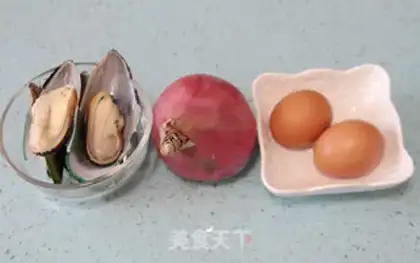
1
Preparation of materials and early extraction of thaws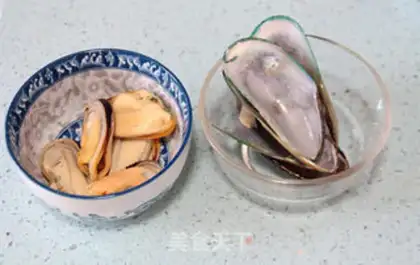
2
(b) To remove the blubber from the stomach and tongue, to dig down the meat and wash it off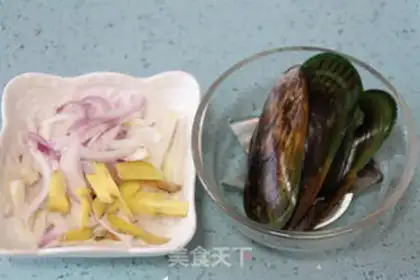
3
Onions and ginger cheesy, green mouth shells washed clean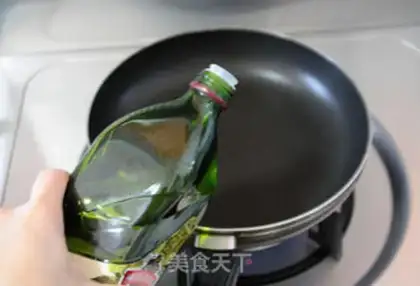
4
When the pot is hot, a little olive oil is added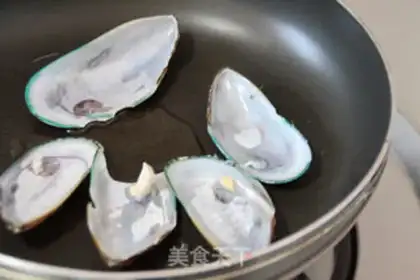
5
And when it is hot, it shall be put into the shell of a green mouth, and it shall be roasted in fire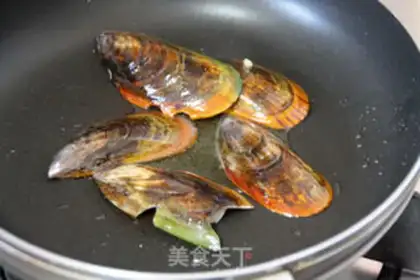
6
In less than a minute, when one of them changes color, the shell is turned over, and it continues to fry for about a minute, colouring both sides of the shell, with some slight luminous feeling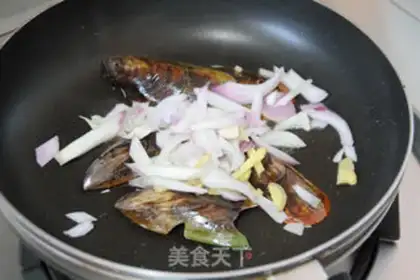
7
Put onions and gingers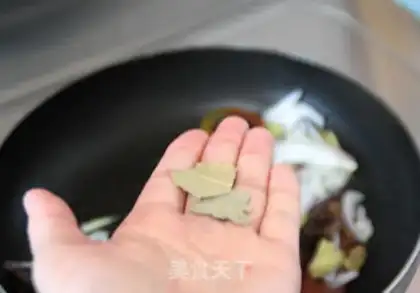
8
When the incense is turned out, a leaf is added, a little bit of it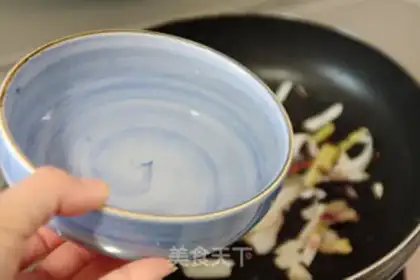
9
Add hot water, the amount of which is less than the food in the pot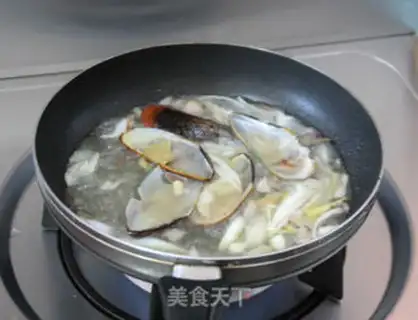
10
(b) A fire, which continues to boil for two to three minutes after boiling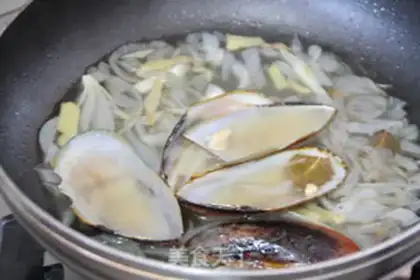
11
Turn on the fire, make it five to eight minutes, and the soup in the pot becomes a little milky white (you can see that some of the soup in the shell is already white). The proteins in the cyanide shells have been partially dissolved in soup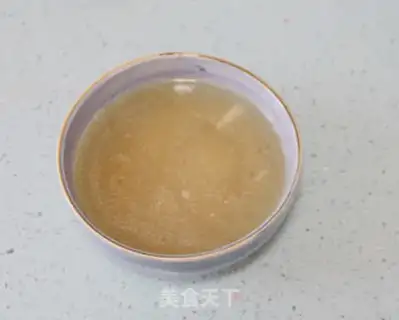
12
(b) Filtering the food in the pot and obtaining the bottom soup that is cooked in a green shell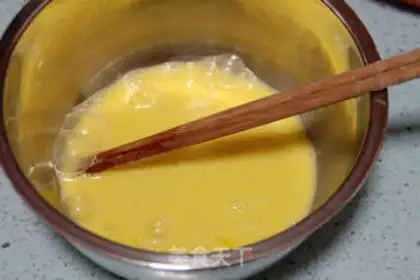
13
Two eggs scattered in large basins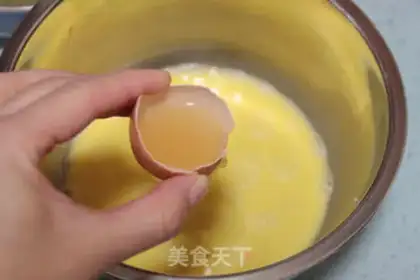
14
The amount of soup added to the cyanide shell is approximately twice the size of the egg and is evenly mixed. We measure it with egg shells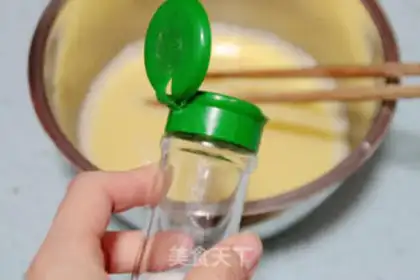
15
(b) Add a proper quantity of salt and evenly mix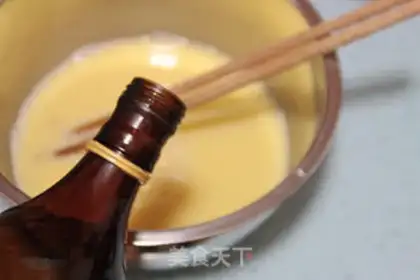
16
Add a little wine, so it's even, and the egg fluid of the steamed eggs is ready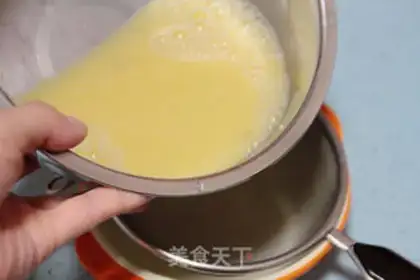
17
The finished egg fluid will be sifted into the container, about 7 or 8 points full. Because there's meat in the back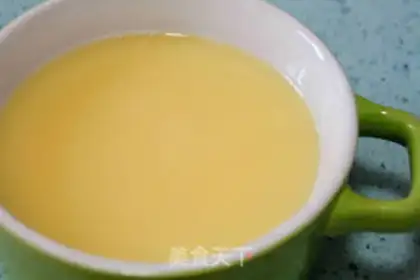
18
If there is foam on the surface of the egg fluid, use a small spoon to remove the foam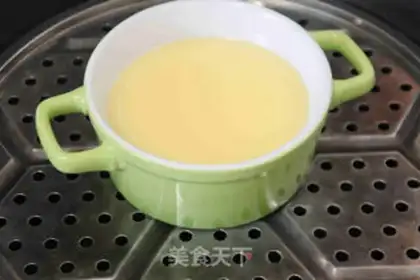
19
Cover the lid, steam the pot in cold water. In the absence of a lid, a lacquer can be placed on the surface of the container, followed by small holes in the membranes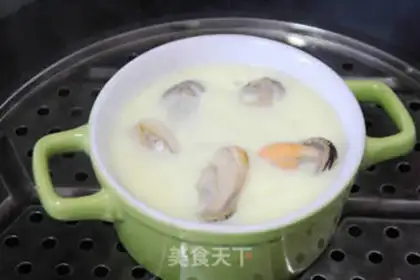
20
The fire evaporated for five to six minutes, unmasked the lid of the pot and saw the basic condensation of the egg fluid, which was disposed of in front of it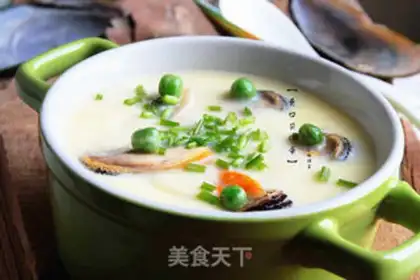
21
Then into the steam pot, the fire will continue for about three minutes, the meat of the cranium will mature, and the soup from which the evaporation will flow to the surface of the steamed egg. I'll put onions on the pot and eat while it's hot。♪ A chrysanthemum stew ♪ Make Tips
1. Since shells are used here to make the broth, be sure to clean the shells thoroughly. Additionally, you can actually use a few more shells, which will make the stewed soup richer;
2. The mussel shells must be pan-seared until browned, and hot water must be used when making the soup. I think the principle is the same as when we stew fish soup; after being seared in hot oil, the proteins in the bones are released more thoroughly and dissolve into the hot water;
3. When cooking the mussel shells, you can also add other ingredients according to your preference, such as celery and carrots (note that adding carrots will change the color of the soup), etc., as you like;
4. The steamed eggs are most tender and smooth when the ratio of egg to broth is 1:2 or 1:2.5 (I prefer 1:2). So if the amount of broth is insufficient, make up the difference with warm water. If you don't have a measuring cup, it is convenient to use the eggshell for measuring;
5. When steaming eggs, place them in the steamer while the water is still cold and cover the container with its lid; this ensures the steamed eggs are smooth and tender with a glossy surface. If there is no lid, cover with plastic wrap and poke a few small holes; this achieves heat convection, allowing the eggs to cook faster while preventing steam droplets from falling onto the surface of the steamed eggs;
6. The steaming time is crucial; be sure not to overcook them. I usually steam two eggs for about 8 to 9 minutes;
7. If you want a richer aroma, you can sprinkle some chopped green onions at the end and then drizzle hot oil over the onions.