Plumbnut
By VicentaLakin
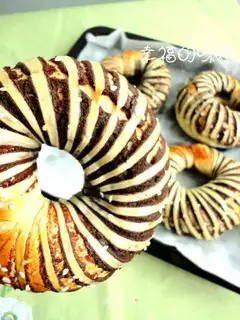
Recipe Recommendations
- high-gluten flour 120 grams
- low-gluten flour 30 grams
- milk powder 6 grams
- eggs 15 grams
- water 80 grams
- butter 15 grams
- bean paste 80 grams
- fine sugar 10 grams
- Rapid dry yeast 约3 grams
- salt 2.5ml
- whole egg liquid appropriate amount
- white sesame appropriate amount
- sweetening
- roast
- several hours
- ordinary
Steps for Plumbnut
1
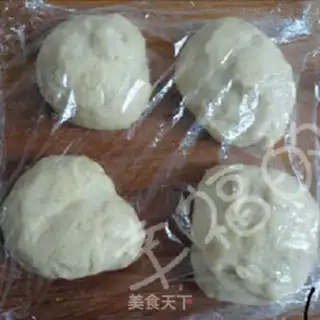
The material made of the noodles is sprouted to the extent that it is extended to remove the film, to cover the film or sheet, and to ferment for the first time at room temperature. The fermentation becomes about 2.5 times the size (about an hour at 28 degrees) and the fermented face is pushed out of the air with the hand (or rubbing hard until the gas is released in the face). Split the noodles into four pieces, grind them into circles, and ferment them at room temperature for 15 minutes in the middle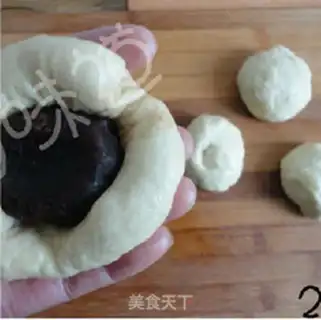
2
Split the bean sand into four. It's fermented in the middle, it's flat, and it's covered in a soy sauce。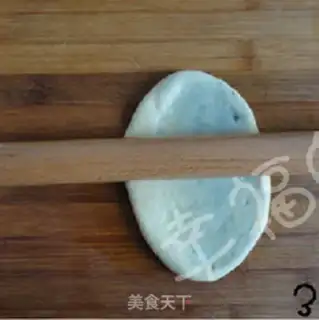
3
The wrapped face is down and placed on the board with a stick to grow elliptical。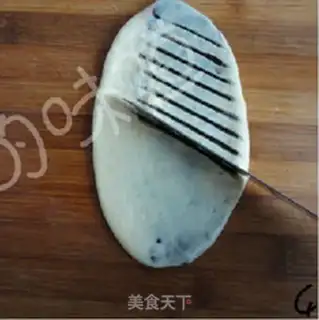
4
Slash the ellipse with a small knife, as shown in the figure. It's okay to row to the soybeans, not to scratch completely。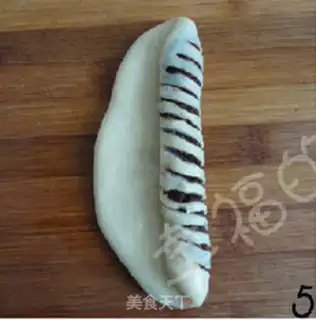
5
Turn the noodles over, face up, roll up along the long side。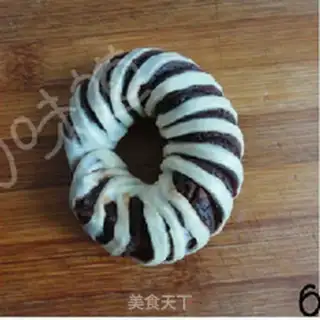
6
Then we'll wrap the rolled face around a circle. The place where the end is connected is tight。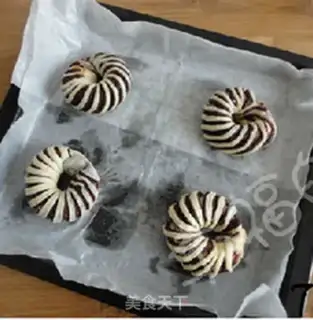
7
A well-formed face group is placed on the grill, with a second fermentation (best fermentation environment: 35-38 degrees, 85% humidity, approximately 40 minutes)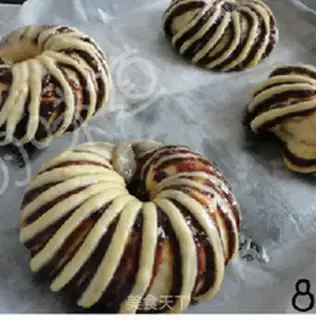
8
Until the noodles became twice as big. fermented noodles, full egg fluid on the surface, white sesame on the surface, pre-heated oven 175°C, baked for about 15 minutes until the surface is golden out of the oven。Plumbnut Make Tips
1. The filling for the bread can also be changed to date paste filling, purple potato filling, etc.
2. When rolling the bread into a long oval after filling it, do not use too much force, otherwise it is easy to tear the skin and expose the filling inside.
3. Do not cut the diagonal lines too densely, or they will break easily.
4. Baking temperatures vary for each oven; my oven only has two layers, so this is for reference only.