Natural fermented garlic soft bread
By VicentaLakin
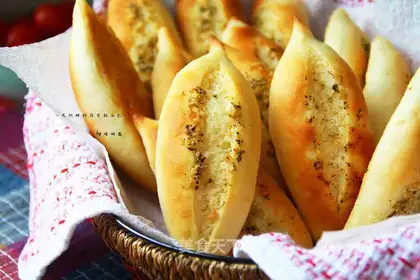
(Data used for reference purposes only, please see Tips before production. The amount of the formula can make 15 small breads between 30 and 35 g. The benefits of natural fermentation are many, but because of its special nature, it is usually used more widely in low-sweet breads such as “European bread”, “rural bread”, and “fast stick”. In fact, ordinary soft bread can be made with natural yeast. Today's garlic-French soft bread is a soft bread made of natural yeast. Garlic French, a piece of bread I've always loved. Once upon passing through the bakery, you can't help but buy it. Cracky skin, soft heart, greasy garlic butter fragrance, even when my appetite is bad, it gives me the desire to eat. This time, using natural yeast to make this bread, it's still good. After a spring break, do you all feel like you have no appetite? Then let's bake a plate of salty and soft garlic. I'm sure it'll awaken your taste buds and rekindle your appetite
Recipe Recommendations
- garlic 3~4 petals
- lemon juice 5ml
- natural fermentation seed 150g
- high-gluten flour 175g
- whole egg liquid 30g
- milk 55g
- salt 1g
- unsalted butter 50g
- fine sugar 30g
Steps for Natural fermented garlic soft bread
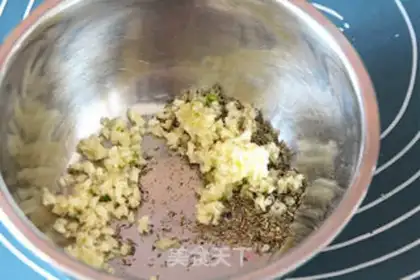
1
First make garlic vanilla butter. Get ready to mix the vanilla, and the garlic with the leather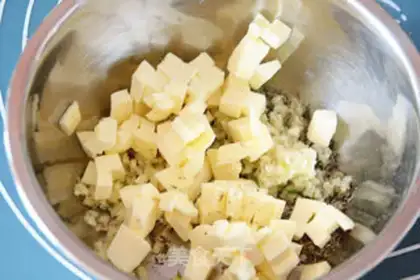
2
(a) The addition of cedin butter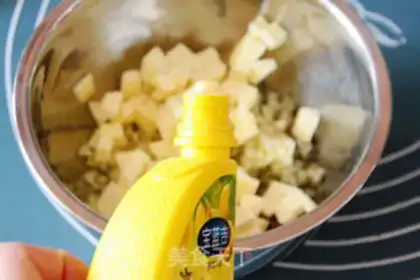
3
Add lemonade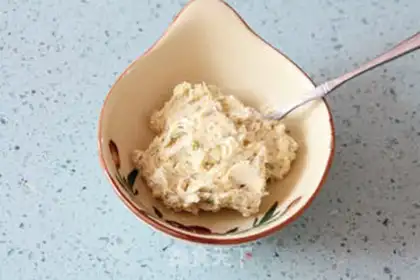
4
Squeeze it and the garlic vanilla butter will be ready. Wrap it up with tin paper or film。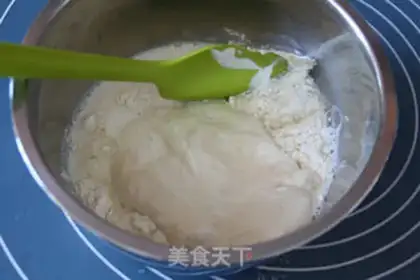
5
COMBINING NATURAL YEAST AND B MATERIALS OTHER THAN BUTTER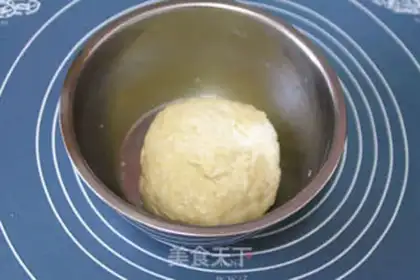
6
(b) Covering the film with 15 minutes of silence, after being formed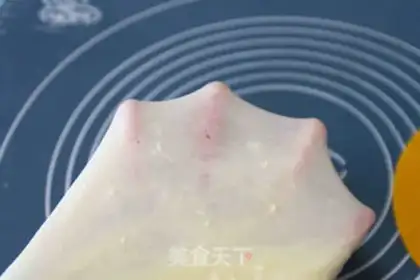
7
(a) Added to the cedin butter, which continues to be crushed to an extended state, i.e. to remove thinner film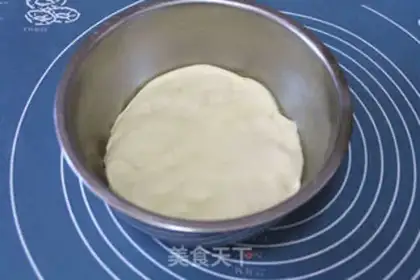
8
(b) Placing the noodles in the container, covering them with film, in warm places, for initial fermentation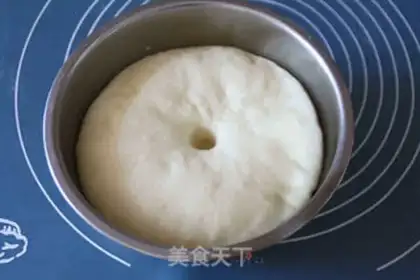
9
Some four hours later, the noodles were fermented to twice the size of the original volume, the finger-dry powdered holes were not condensed and the basic fermentation was completed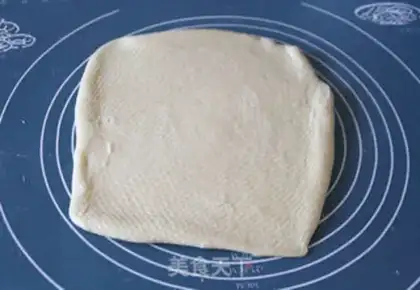
10
Take the noodles out, vent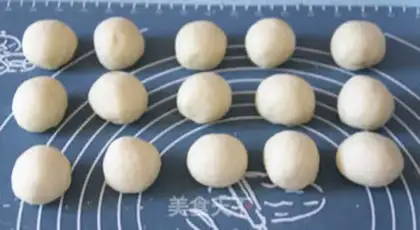
11
it is divided into 15 small, flat-sized groups of about 30-35g each. (b) covering the membrane on the roller side for 15 minutes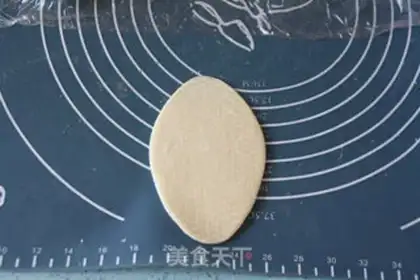
12
(a) Take a small, loose noodle and open up into an elliptical form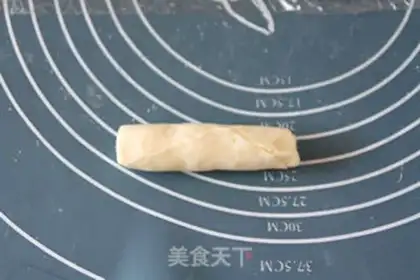
13
(a) Press the bottom of the thin side, roll up the dough and tighten the mouth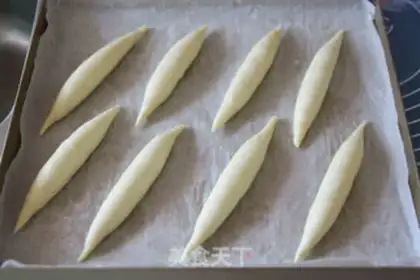
14
(b) Shaping the noodles into a hammer and putting them on a grill with baked paper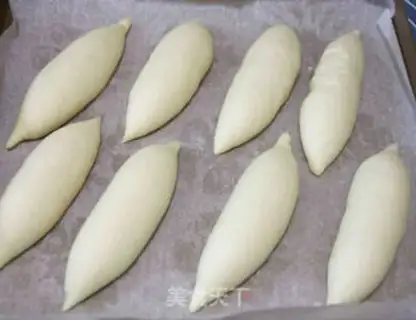
15
Put the dish in the warm and wet and re-ferment. About one and a half minutes later, the noodle fermented 1.5 to 2 times the size of the original volume, and the second round ended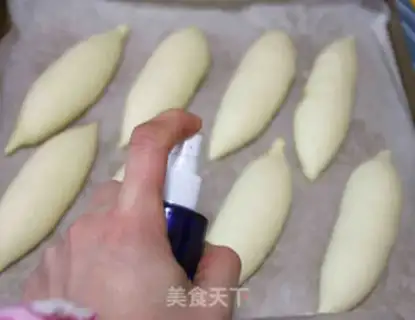
16
When the second round is almost over, the preheat oven is 190 degrees. Spray some water on the face of the dough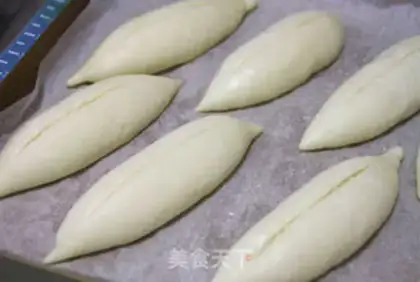
17
Until the water is dried up and a crack is cut in the middle of the bread with a blade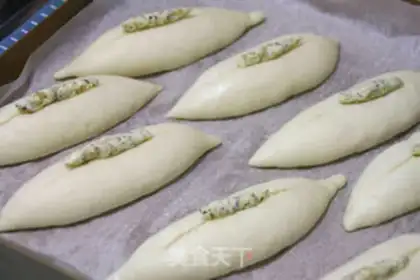
18
Put a proper amount of garlic vanilla butter on it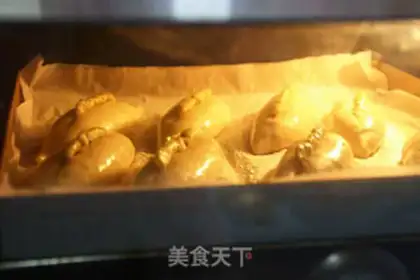
19
(a) To the oven, mid-level, upper and lower fire, 180 degrees, baked for 15-18 minutes, to the surface yellow and yellow, and swelling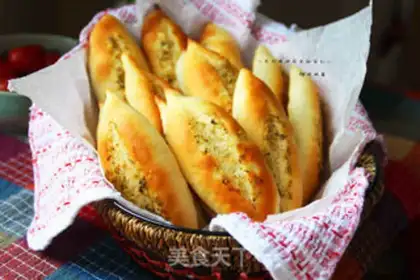
20
Once baked, the oven is released, the bread is transferred to the dryer, completely cool and the chamber is kept warm。Natural fermented garlic soft bread Make Tips
1. the garlic vanilla butter material may be adjusted to its own preference for the ratio 2. flour can only be rubbed to an extended state. in addition, liquid usage is self-adjusted to the condition of the noodle; 3. i use 100% fermentation of water powder. if there is no natural fermentation, it can also be made from fast dry fermentation. flour is then used at 250g, liquid quantity is added at 60-70g, fast-dry fermentation is at about 3g, and the time of fermentation at four times is adjusted to the condition of the noodles. because i use natural fermentation, it is slower and longer. if you use fermentation powder, it'll be relatively fast. watch out for the second fermentation. when room temperature is low, the fermentation function of the oven can be used; 5. the specific bake time is adjusted to the actual situation of the ovens; 6. after the bakery has been completed, the oven must be released and placed on the drying web, which can be kept in the chamber warm after completely cool. you can keep it cold if you can't finish it. next time you eat it, you don't have to unfreeze it and spray it with fresh water. but don't keep it in the freezer。