Ginger and sugar toast
By VicentaLakin
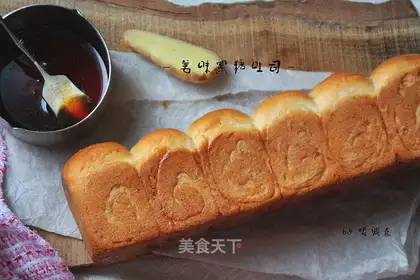
Ginger + black sugar is a very proportionate pair of food partners. It's a great combination for our fellow women. Especially for some cold-body friends, it is essential to warm up. This time, trying to add them to the noodles, making bread has a uniquely strong taste. It's a piece of bread that I love so much! Even the ones who didn't like ginger. If you like ginger, like black sugar, try it, I'm sure you won't be disappointed
Recipe Recommendations
- high-gluten flour 250g
- milk powder 8g
- ginger
- ginger
- fine salt 3g
- sugar-tolerant yeast 3g
- brown sugar 40g
- unsalted butter 25g
- qingshui 160ml
Steps for Ginger and sugar toast
1
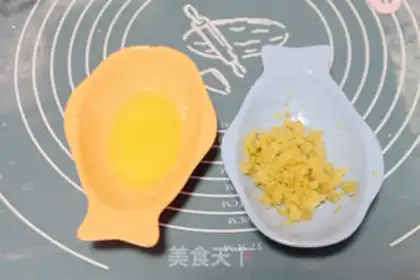
a proper amount of ginger (about 30 to 40 g), after washing off the skin, crushing the ginger, filtering out 15 to 20 ml of ginger and leaving 8 to 10 g of ginger leftover
2
(a) combination of ginger ale, ginger aluminum, black sugar, 100 ml clean water, and boiling of the fire for 10 minutes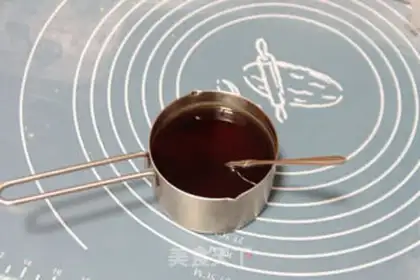
3
the syrup is then filtered, so as to be careful to squeeze the gingertails, to squeeze out as much of the juice as possible and to make the gingertail dry. the rest of the water is then added to the water, evenly mixed, and provided for by cooling. the liquid weight at this time is around 170 ~ 175 g. if not, clean water can be used to complete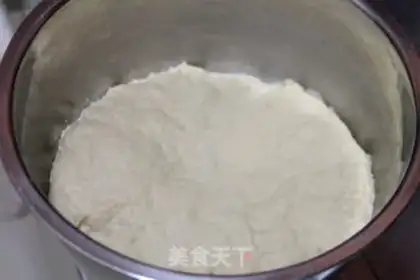
4
When mixed with materials other than ginger and butter, they are mixed into groups, covered with protective film, sequestered for more than 30 minutes or spend the night. If the temperature is high, it can be placed in refrigeration
5
They are removed and placed on a silica pad or panel, and are then added to the butter of yeast and cedin. Be careful not to add butter until the yeast is fully modulated. (a) The fall of the noodles to the full stage, i.e. the removal of large, more resilient film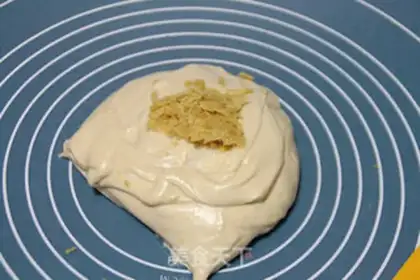
6
(a) Add the drying of the ginger paste and rub it in the form of stacking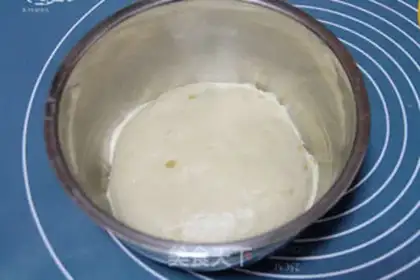
7
(b) Placing the noodles in containers, covering them with film, in warm places, for basic fermentation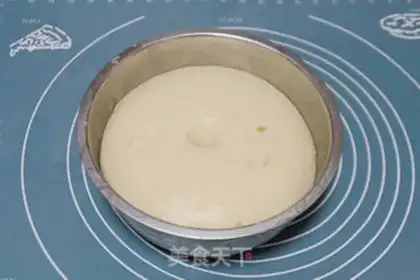
8
About an hour later, the noodles fermented to 2~2.5 times the size of the original volume. (b) Dry powdered fingers and no retrenchment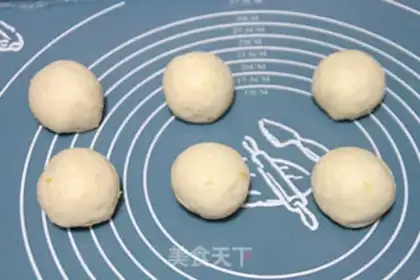
9
Removes the dough and places it on a silica pad or panel, which is followed by an exhaust and split into a flat fraction. This time I used a long strip mold, so I split it into six pieces. After a roll, cover the film with 10 minutes of laxity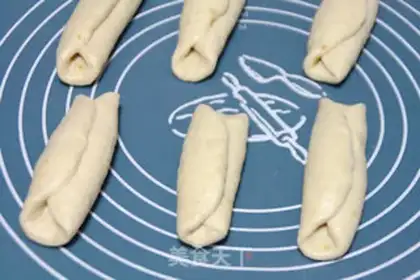
10
Take a nice, loose noodle, open up the bar and fold. In turn, the whole lasagna is operated, the film is covered and lax for 10 minutes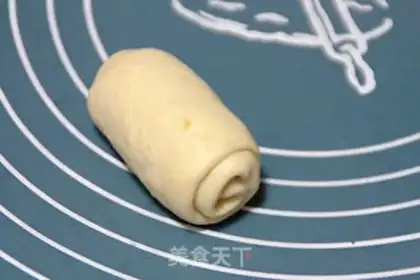
11
When the laxity is over, a small noodle will be taken, the strips will grow, the face will be turned over to the bottom of the thin side and the noodle will roll from the top down. And when they are curled with their fingertips, and not with their nails on their faces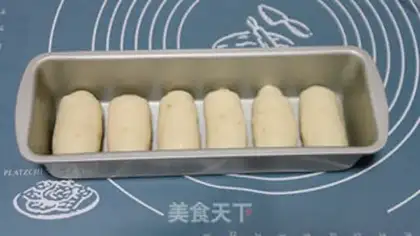
12
Rolled noodles, placed in the mould, then placed in warm and wet areas for secondary fermentation
13
I put it around 30 degrees, 45 minutes. The face group swells to its original size of 1.5 ~2 times, pressing the surface with its abdomen, which does not collapse and can sense its elasticity. Two rounds ended and some fresh water was sprayed on the bread surface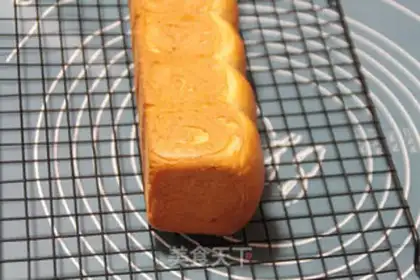
14
The oven preheats 185 degrees. After preheating, the mold is sent to the oven, lower, upper and lower, 180 degrees, and baked for about 40 minutes. After the bakery is completed, the oven is released, the mold is shaken, the bread is extracted, the side is placed on the drying net, which can be sealed and stored when the house temperature is not hot。Ginger and sugar toast Make Tips
1. When boiling the ginger brown sugar water, adjust the amount of ingredients to your liking. If you prefer a strong flavor, add more minced ginger; you can also cook it the night before, let it soak overnight, and then strain it. It is best to squeeze the minced ginger as dry as possible, so it does not damage the dough structure when added, and large holes will not appear after baking.
2. The final liquid amount should be approximately 170-175g; make up any shortfall with water. Do not add all the liquid at once; reserve 10-20g to adjust later according to the state of the dough. This dough should be soft but not sticky.
3. Adjust the time for the two fermentations according to the actual situation. During the second rise, be careful not to over-proof. Signs of a successful second rise are: first, the dough expands to 1.5-2 times its original volume; second, the surface of the dough is smooth, and lightly pressing with a fingertip leaves no mark; third, you can feel the elasticity of the dough (you must experience this yourself to know, it is that soft, bouncy feeling). If it sinks when pressed, you can be basically certain it has over-proofed. If an over-proofed dough is baked, it will hardly rise, and the crumb will not be good. Also, if you accidentally over-proof it, you can use the dough as a starter.
4. Adjust the specific baking time and temperature according to your oven. The bread must be baked thoroughly to prevent shrinking or collapsing after removal. When the dough is fully baked, tapping it produces a "hollow" sound, as if there is empty space inside; this generally indicates it is done.
5. Remove from the oven immediately after baking. Give the mold a shake to help release the internal heat of the bread, reducing the chance of the sides shrinking. Then place it on its side on a cooling rack to cool. Once it reaches room temperature and is no longer hot to the touch, seal it for storage to retain the bread's moisture as much as possible.