Milk and gold rolls
By VicentaLakin
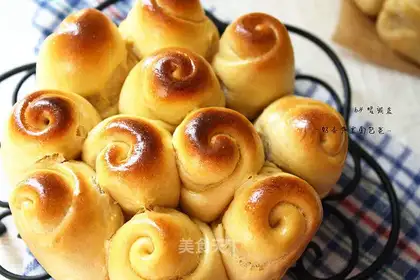
(Data used for reference purposes only, please see Tips before production. The most special part of this bread is that it's made of a seven-inch + six-inch choreography, which, by folding up and opening up many times, makes the tissue delicate and, finally, gives the finished product a pretty radish effect and a fine skin – a hand-to-hand test. My feeling is that this is a way of doing things that really makes the tissue very even. I think it's like we make buns, rub them hard after fermentation, rub the bubbles out, and the last one is thin and clean. However, the operational process is relatively cumbersome. While it is not necessary to be as full as in the past, the subsequent multiple folding and ripping processes are in fact time-consuming. Moreover, when folded and emptied on several occasions, it was necessary to keep the noodles wet, otherwise they would be easily dried up. In conclusion, if you're as curious as I am about new things and in a spirit of exploration and experimentation, it's really worth a try
Recipe Recommendations
- high-gluten flour 100g
- milk powder 5g
- milk 12g
- egg liquid 12g
- qingshui 36g
- low-gluten flour 100g
- whole egg liquid 30g
- powdered sugar 20g
- salt 1g
- sugar-tolerant yeast 1g
- unsalted butter 10g
Steps for Milk and gold rolls
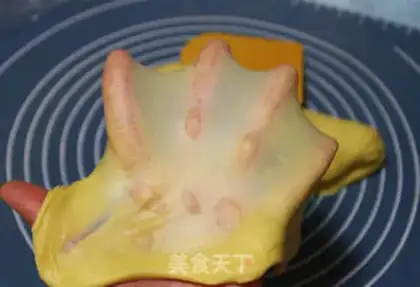
1
(B) COMBINING THE MATERIAL OF THE SWEET PASTA (A) WITH A REAR OIL METHOD, WHICH IS ABLE TO REMOVE LARGE TRACTS OF TOUGH FILM TO THE FULL STAGE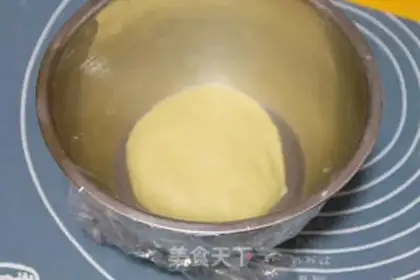
2
(a) Put the sweet noodles in the packaging, covered with film, and fermented in warm places3
fermentation of confections to a small dent in the surface (which can also be double the size of the fermentation), which has many bubbles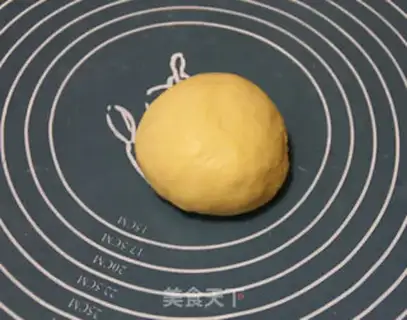
4
Take it out, and re-compress it with the exhaust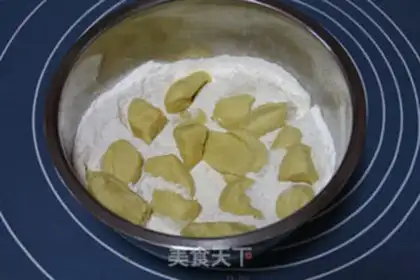
5
(B) CUTTING THE SWEET PASTA INTO SMALL PIECES AND MIXING IT WITH THE MATERIAL IN THE MAIN PASTA (B)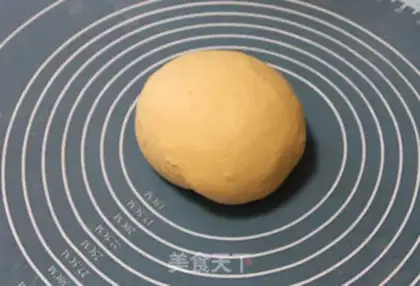
6
Use the rear oil method to rub a smooth face again. This time do not rub it in its full state, as long as the face of the face is smooth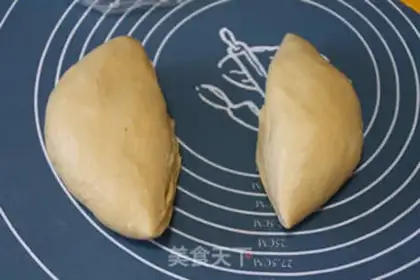
7
A half of the pasta will be covered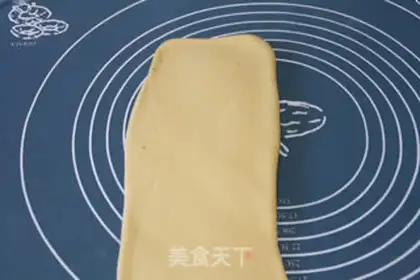
8
Take a flatten and open the growth strip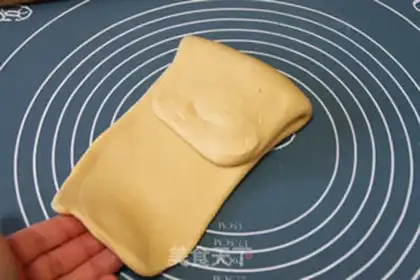
9
(a) Along the long edge, turning the sides to the middle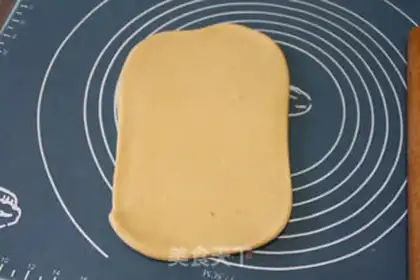
10
Once again, the growth squares open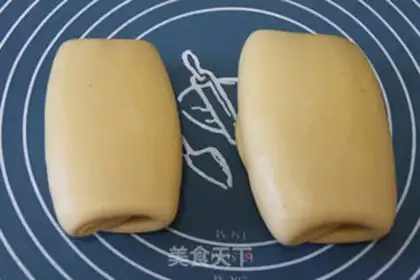
11
Repeated folding -- poaching about 20 times until the face of the face is bright and thin. Two noodles can be used interchangeably. If it is felt that the noodles are retrenching, it will be appropriate for a few minutes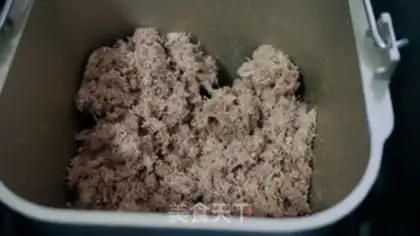
12
In the end, two good noodles overlap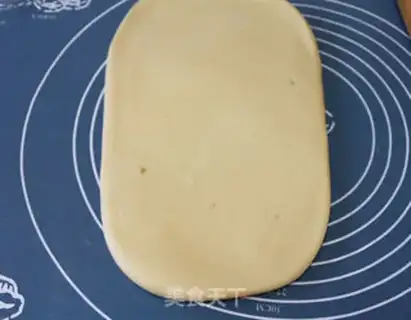
13
Once again, the growth squares open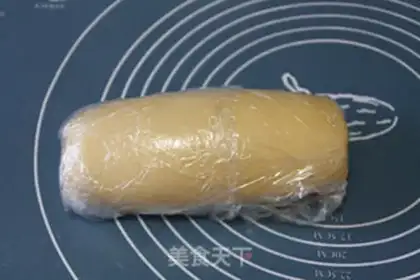
14
(a) Rolling up the fined face, wrapping it up with a shampoo and giving it 30 minutes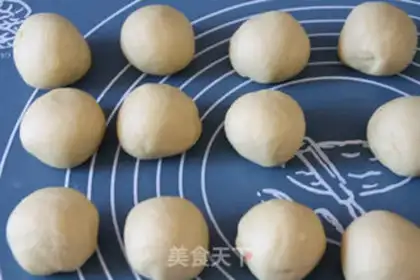
15
i split it into 12 pieces, about 45 g each. (b) covering the membrane on the roller side for 15 minutes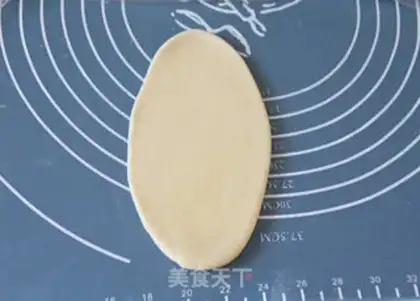
16
(b) Take a small, loose noodle and turn it into a cow tongue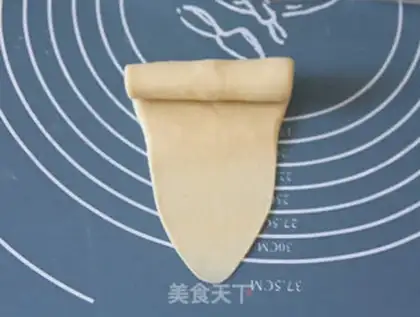
17
(b) Turn over, press the bottom side of the thin side and roll from top to bottom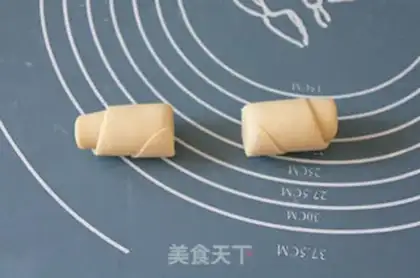
18
(a) Rolled noodles, split from the middle into two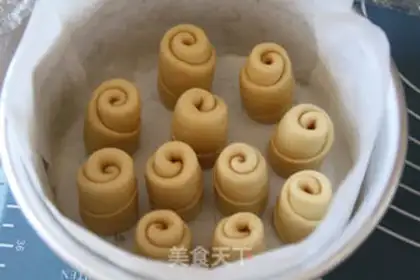
19
Cut the face down, put it in a pre-supplied oil sheet mold, put it in the warm and wet and fermented last. If it is not sticky, it is also possible not to draw oilable paper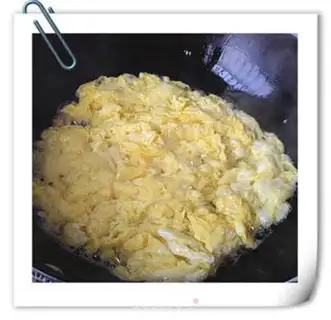
20
At about 32 degrees, I fermented for 50 minutes. Noodles swell to about twice the size of the original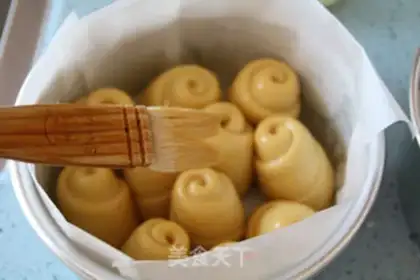
21
The yolk and milk are mixed at a ratio of 2:1 and painted on the face of the face of the dough. At the same time, preheated ovens 170 degrees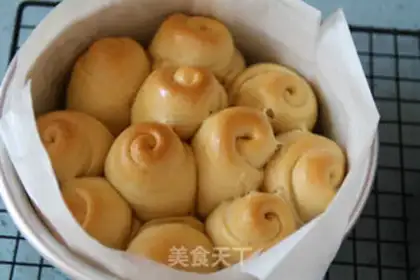
22
After preheating, the mold is sent to the oven, under the middle layer, 160 degrees and baked 20-25 minutes. Once baked, it will be ready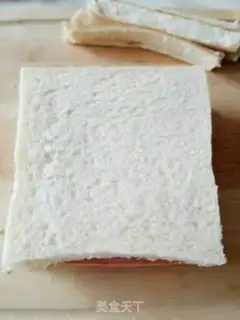
23
When demersalized, the bread is placed on a dry-line basis, which is so hot that it can be kept sealed。Milk and gold rolls Make Tips
Sweet noodles are similar to the Chinese ones we often say, except for butter. It can be fermented in room temperature or frozen. The original fermentation is twice the size of the sweet noodles, and I send them to a tiny dimple on the surface, and there is no problem; 2. When folding them and opening them, care must be taken of their wetting. Each of these operations can be relaxed for a little while, making it easier to open the noodles; 3. The time of the second fermentation should be adjusted to the actual situation. Be careful not to overdo it; 4. Specific bake time and temperature to be adjusted to the actual situation in the ovens. If the colour is too high, it can be filled with tin paper in the middle of the journey; 5. When the bread is baked, it should be baked out of the oven, defunct, and if it is cold enough to keep its hands warm, it can be sealed in a bag so as not to dry the wind and lose too much moisture。