Wearing apple pie
By VicentaLakin
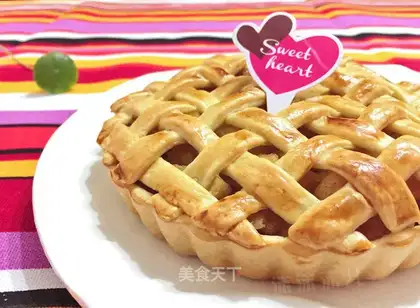
Pie is a happy dessert. It was first a food that originated in eastern Europe, but today it is called a typical American food. Apple pies have different shapes, sizes and tastes. What we do today is weave a grid apple pie that makes people not only happy, but also happy. The steps include a specific way of knitting grid pie. Reference weight: One inch of six。
Recipe Recommendations
- low-gluten flour
- Apple
- butter
- fine sugar
- water
- salt
- cinnamon powder
- corn starch
- egg liquid
- sweetening
- roast
- several hours
- simple
Steps for Wearing apple pie
1
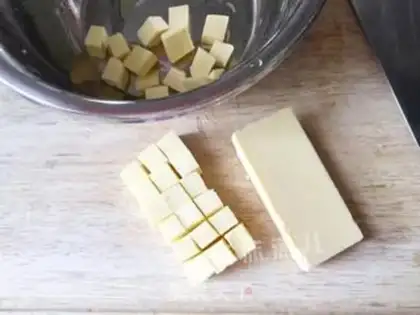
first make pie. it is possible to make it earlier because the pie needs to be loose for hours. cut 60 g butter and soften the room。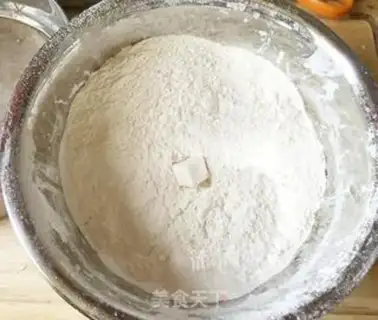
2
150 g low-strenged flour and 10 g sugar are poured into softed butter。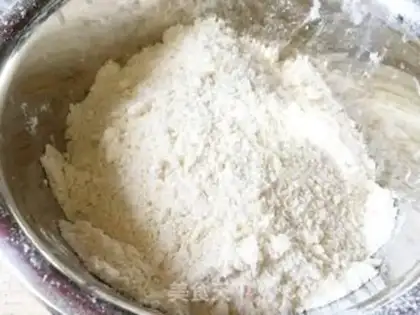
3
Scratch them with your hands until they are all coarse particles。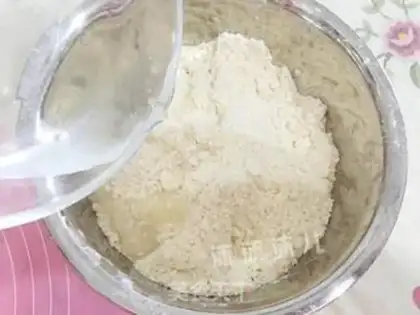
4
Add water. Add as appropriate according to the status of the dough。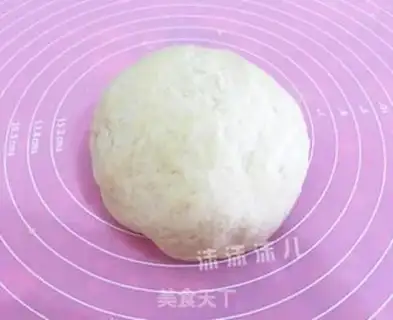
5
Scratch a little smooth face. Don't rub it too long, before you get cramped。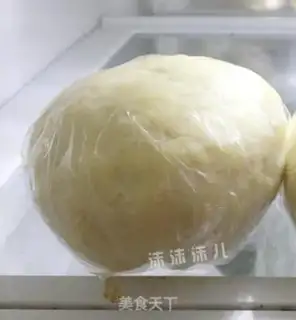
6
Keep the filaments on the covered bag and put it in the freezer room for two hours. One hour at the earliest。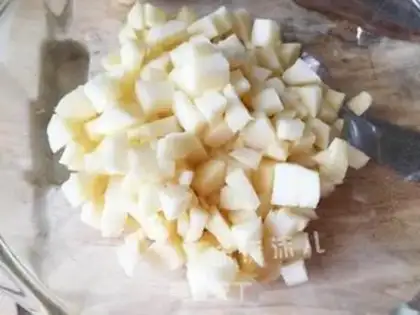
7
and then you make pies. and you cut apples to the skin, cut into little pieces, about 260g。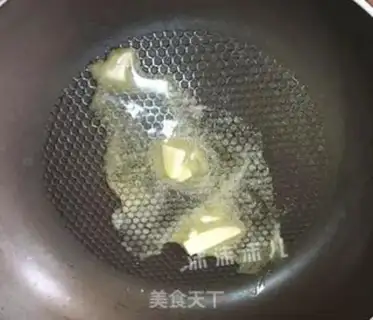
8
the pot is filled with 10 g butter and the small fire heats it to melt。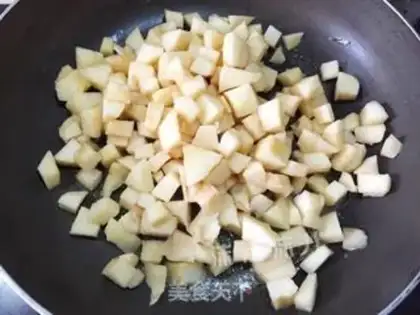
9
Falling into appledeen, little fire。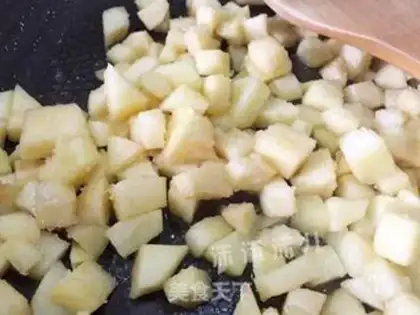
10
a little flip and fall into 45 g fine sugar and go on。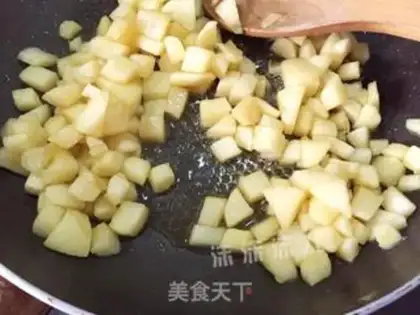
11
Once sugar is added, the apples will soon seep a lot of water, which will continue to boil, making the apples soft。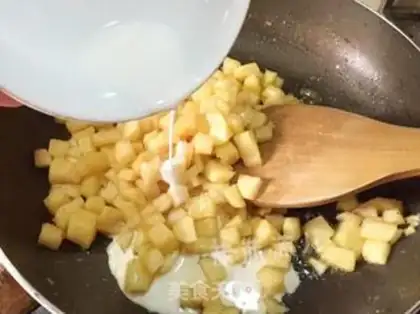
12
ten g corn starch is modulated with 20 g water and added to softly boiled apple pudding。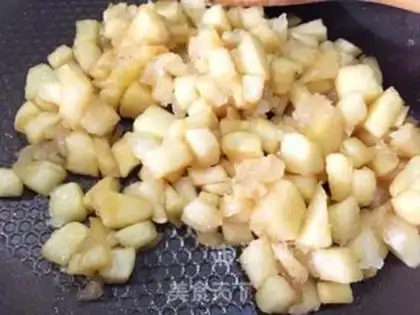
13
Keep flipping till the apples become sticky。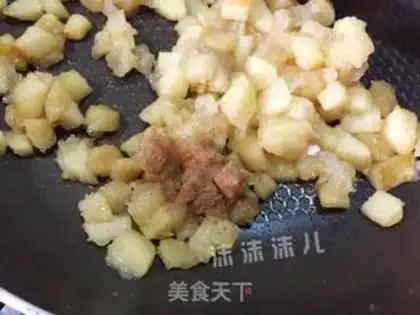
14
Turn off the fire and add a quarter spoonful of salt and a quarter spoonful of cinnamon. Turn the fire even。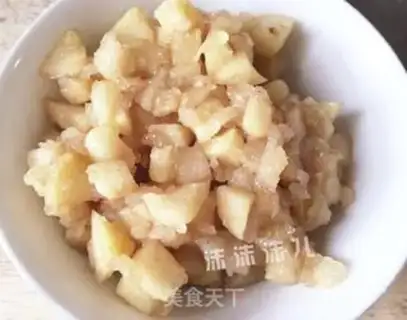
15
The pie will be ready。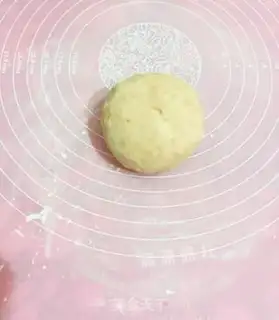
16
Powdering on the board to remove loose skins and place them on。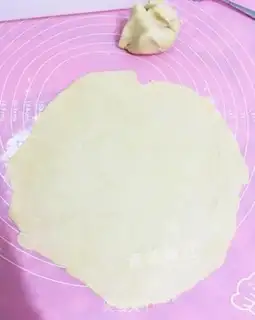
17
Split the noodles into two with a weight ratio of 2:1. Let's start with the big one as a thin piece larger than the pie。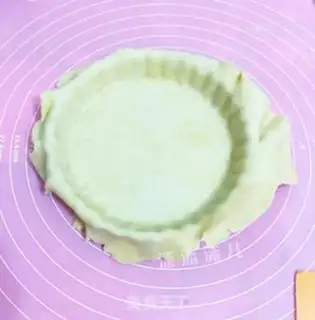
18
Put the face on the pied disc and press it gently so that it matches the pied disc and becomes the bottom。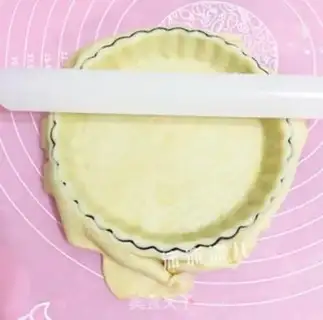
19
Put a cane on the pie。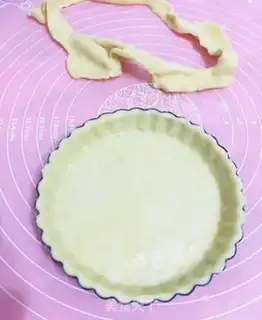
20
Remove the extra chips around。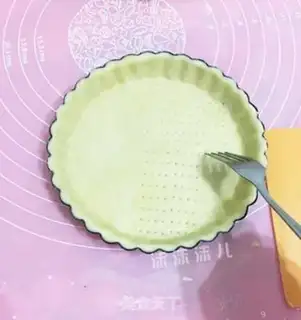
21
With forks to put a flat hole on the bottom of the pie to prevent the drums from being baked。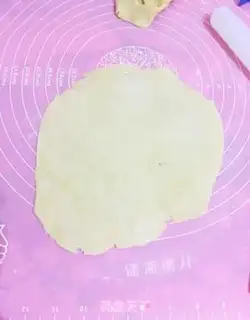
22
The other, the smaller one, is thin。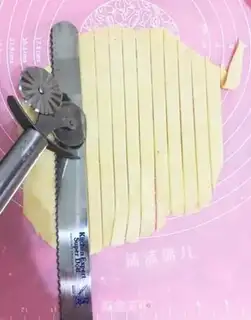
23
You like the width, using tools like straight feet, cutting them into even long strips with a wheel or a knife。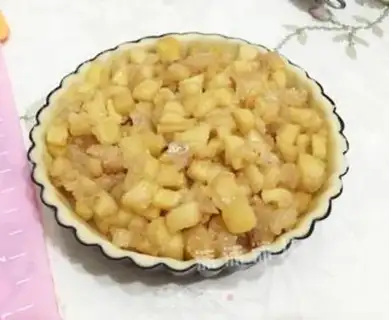
24
Put the pies that were made before into the palette, and you can pile them a little higher in the middle。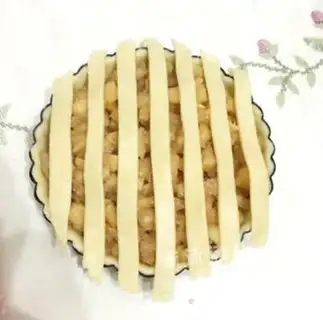
25
Then we'll start knitting. Looks like trouble, but it's easy to figure it out. First step, set the bars。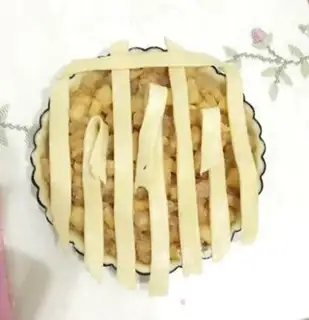
26
Each of them flips the skin from above and puts the first strip on top。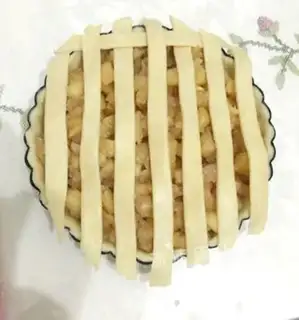
27
Turn back the bark that's turned and press the first strip。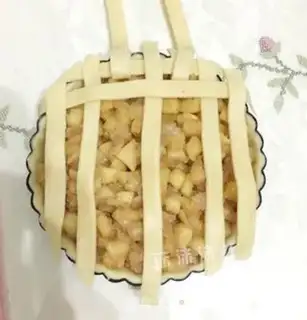
28
Then you'll flip the bar over the top and put it on the second。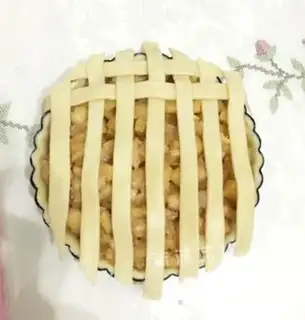
29
Turn back the verticals up and press the second one。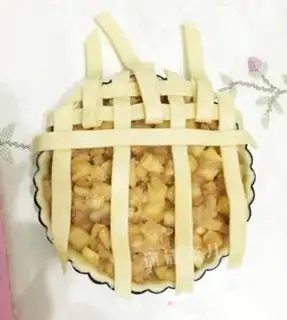
30
By analogy, turn up, roll the bar。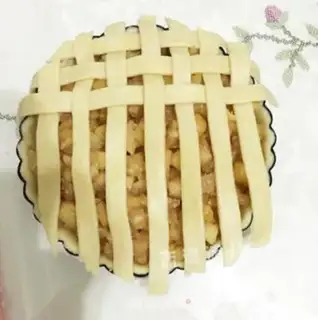
31
Turn it down and hold it。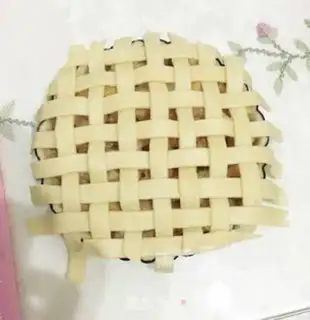
32
Until we finish the pie. At this point, 200 degrees of preheat oven。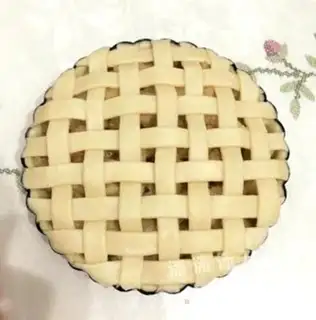
33
(c) Fingers on the boundary between the pips and the discs to remove the excess pips around them。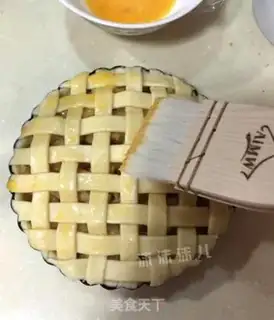
34
Brush a layer of egg fluid on the skin。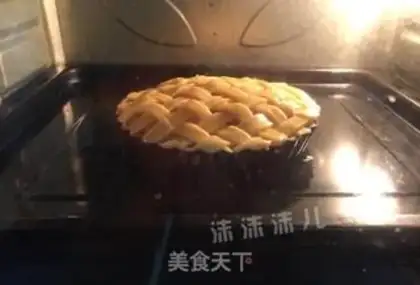
35
Put it in the oven, in the middle, with 200 degrees above and below the fire for 15 minutes and then 175 degrees for 25 minutes. It's fine until it's yellow. If the colour is too deep, please apply tin paper。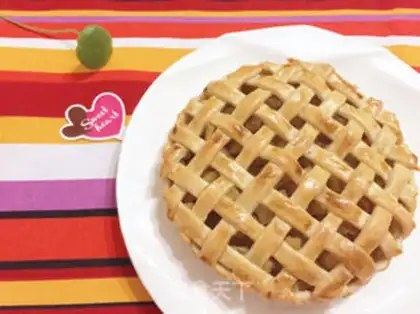
36
Done. Is the golden apple-palm abounding。Wearing apple pie Make Tips
1. The resting time for the pie crust is approximately 1 to 4 hours; it must be at least 1 hour.
2. The butter in the pie crust should only be softened, not melted into a liquid; otherwise, it cannot be rubbed into coarse, sandy particles.
3. Do not knead the pie dough for too long, or the gluten will develop. All uses of low-gluten flour are to ensure the crust is flaky and crisp, so gluten formation must be avoided.
4. The amount of water required to make dough from any flour depends on the dough's condition and is related to the region, humidity, flour type, and water absorption. If there is too little water, you can add more; if there is too much, adding flour is not a solution. Therefore, the water amount is only a reference and not fixed.
5. Baking temperatures and times vary depending on your own oven's characteristics. Neither temperature nor time is fixed; please adjust according to your specific oven situation.
6. The leftover pie crust can be used to make small cookies using a mold; they are equally crispy and delicious.