French bread
By VicentaLakin

The bread books are moving in the back. French bread, if it's just French bread, it doesn't seem to be a problem. However, there are two changes that follow its example. If only those two changes would be fine. But, in contrast, the problem is... Is the fermentation condition for yeast cooling or room temperature? Basic bread, with details of the process and steps of making the dough. Following the production of the liquid seed, the sheet is covered with “4-18 hours of fermentation”, a blank note is added to the page: “When the liquid is made, it takes four hours to ferment the same day when it is finished. In the case of winter, it takes 18 hours to ferment when the day is finished”. Such a statement did not give rise to any confusion. One calculates how to organize the fermentation period of the liquid species, while the other turns to the two changes in the back: prawn bacon and French cheese bread. As a result of the use of the same pasta, both breads are no longer subjected to a detailed pasta-making process, but are simply presented with a simple process for the entire production process, with the temperature conditions and time required for each process indicated in brackets. Liquefied fermentation (4-18 hours in the fridge) is clearly different from the description of original French bread. There is no reference in basic bread making to the language of frozen fermentation in refrigerators, nor is its difference in the timing of winter and summer fermentation understood as freezing fermentation in refrigerators. Moreover, the temperature in the fridge is low and relatively constant, and why does it need to be fermented over time and over time in different seasons? He wanted to go, and decided not to deal with the fridge, but to do room temperature. At the end of the spring and early in the summer, the fermentation time was kept between 4 and 6 hours, probably without problems. Bring a little talk about liquid seed. The liquid species of three points of water should obviously refer to the fermented herds with a high water content. Among the formulations, flour and water of 1:1 seem to be illustrative. However, as it turns to the end of the book, in the wrap-up on bread terminology, it explains the “liquid seed method” as follows: “Most used in the production of butter-rich bread, such as croissants and Danish cobbles. However, the butter contained in it melts when the temperature of the face group increases. Therefore, the bread made the previous day was fermented and then frozen in the fridge for the night, keeping the butter temperature low.” The French pasta is not used for a little bit of butter, and there is obviously no such concern. And the “liquid seed method” as explained here is supposed to be “night seed”. Let's get this straight. Although fully integrated, only half was actually done. Two little truncheons, which look hard on the outside, and actually soft on the inside。
Recipe Recommendations
- high-gluten flour 75 grams
- salt 0.5 grams
- dry yeast 0.3 grams
- water 75 ml
- maltose 1 gram
- liquid species
Steps for French bread
1
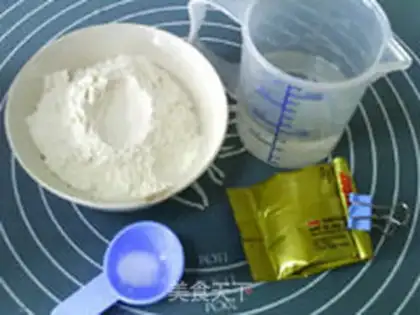
Liquefied species: 75 g of high-strength powder, 0.5 g of salt, 0.3 g of dry yeast, 75 ml of water
2
MAIN NOODLES: 175 G OF SALINE, 4.5 G OF SALT, 1.5 G OF DRY YEAST, 1 G OF MALT SUGAR, 90 ML OF WATER, 1/10 CUPS OF VITAMIN C SOLUTION, ALL LIQUIDS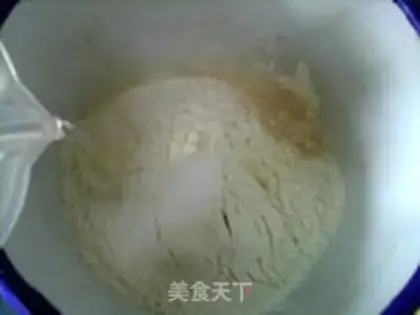
3
Put liquid material in the bowl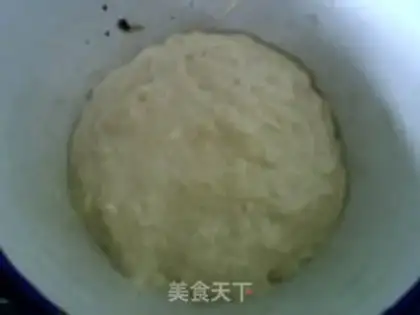
4
Smixed into a flat face group, about 25 degrees, fermenting for 4-6 hours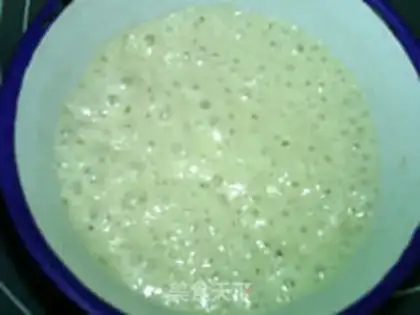
5
The noodles are rising
6
Put the main noodle water in the malt sugar and mix it evenly
7
ADD VITAMIN C SOLUTION AND MIX IT EVENLY
8
Put all the powder on the main floor in the bread can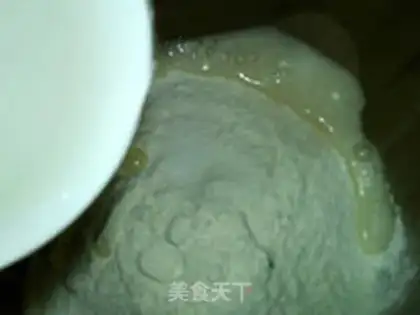
9
Add mixed solution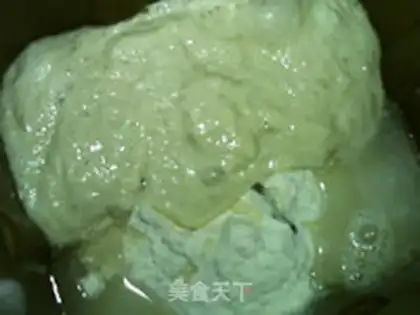
10
Infusion of liquid species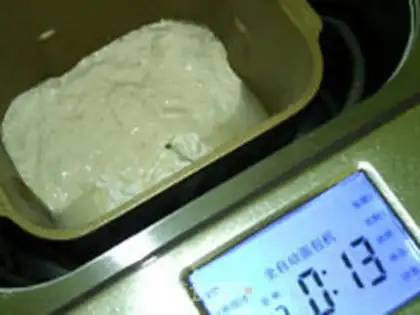
11
Bread machine and face program for 13 minutes
12
It pulls out the film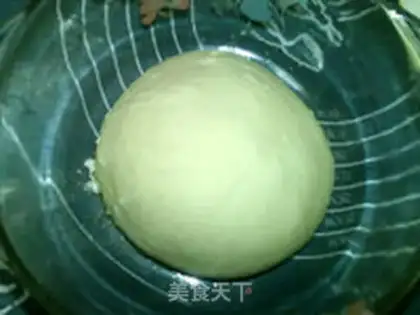
13
Into the big bowl, 28-30 degrees, fermentation for 60 minutes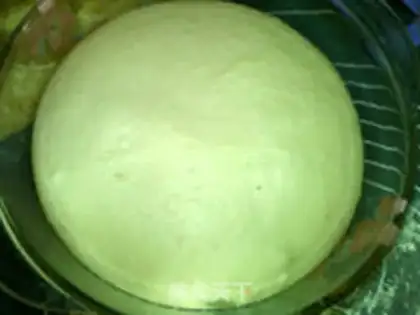
14
The headmaster is big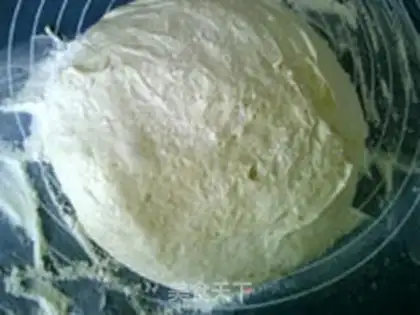
15
Out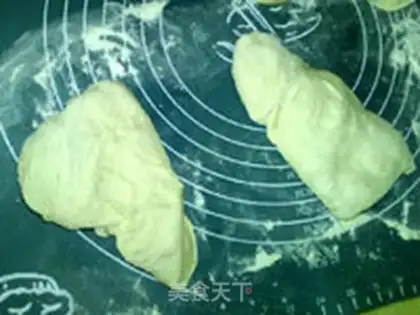
16
Cut to 2 equals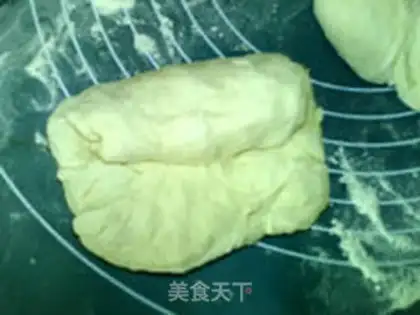
17
Push, roll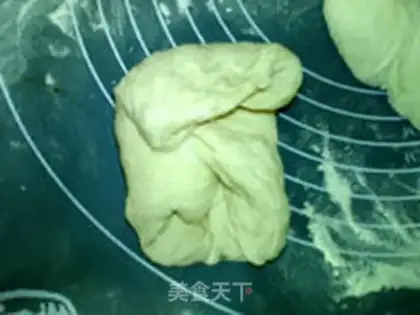
18
Turn 90 degrees, roll again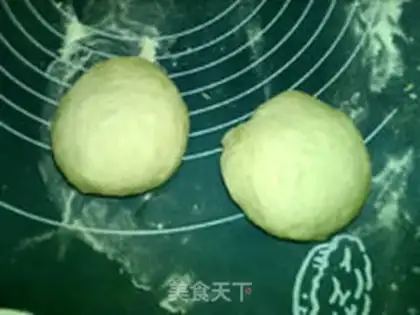
19
Shut the door and relax for 15-20 minutes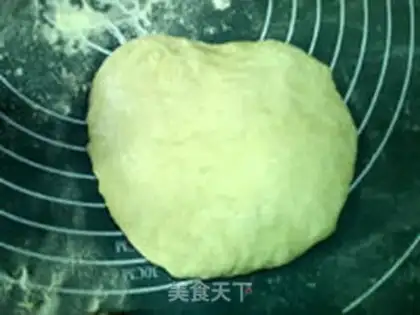
20
I'm sorry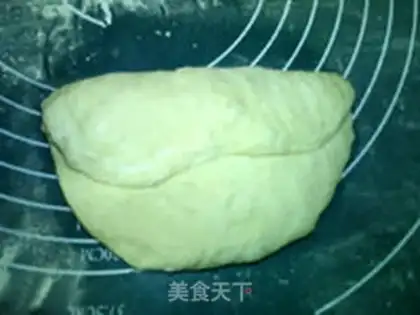
21
Turn one third to the middle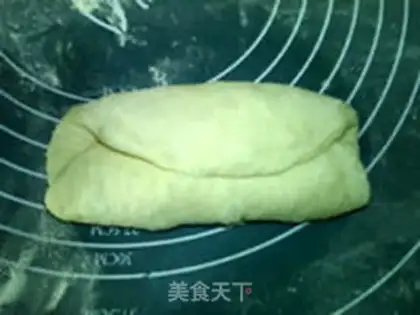
22
Turn 180 degrees, turn the remaining third to the middle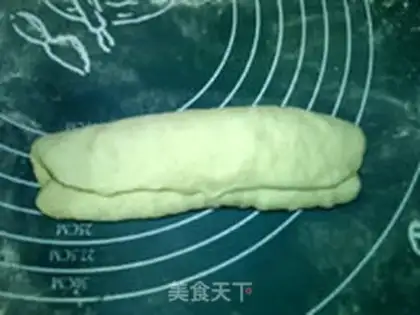
23
Tighten the interface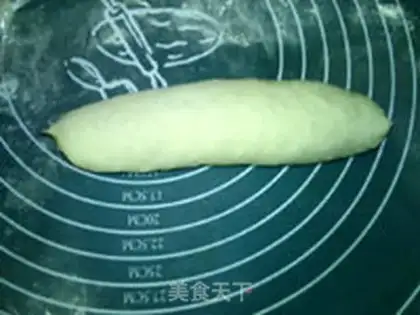
24
Put it on the grill, 35 degrees, fermentation for 60 minutes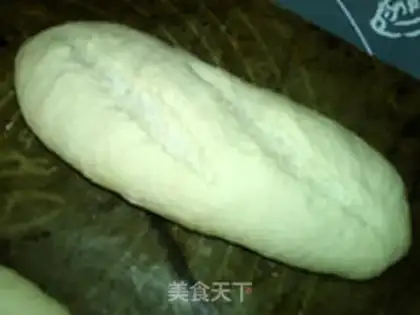
25
The headmaster is big,在表面斜切两道刀口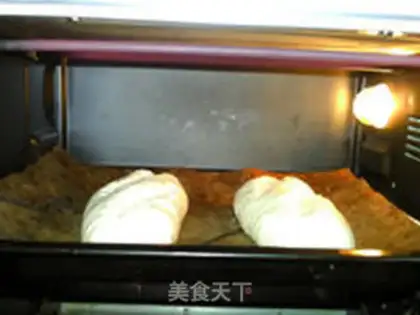
26
It's moved into a preheated grill with the oven, sprayed on the surface, put in the oven, mid-level, 220 degrees up and down, about 20 minutes baked
27
The surface is yellow and goldFrench bread Make Tips
The yeast below 1 gram is not easy to weigh, but can be called 1 gram, 0.5 gram, half, and 0.3 gram. Baking times and firepower need to be adapted to the actual situation in the oven。