Italian yeast Shabata
By VicentaLakin
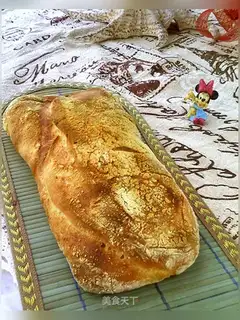
“This bread has huge air holes and irregular shapes. It came from an old village, made of loose noodles, and was not known as Shabata until the middle of the twentieth century. The name was given by a true baker in Lake Como in northern Italy, who observed that the bread was particularly like a slipper worn by dancers in the area and named it “Lake slipper bread in Lake Como”. A whole new tradition was born, and in the second half of the twentieth century, this Shabata bread became an unofficial national bread for Italy as a whole, representing the strength of the Italian rural bread and its deliciousness.” “You can make this noodle with a lot of Polish yeast or Italian yeast. You can also add some milk or olive oil to the soft side." The Polish yeast Shabata used only fresh water, and this time the yeast used milk and olive oil. “The pasta with olive oil, milk or other nutrients can be softer and more delicate than the fat-free bread with fresh water.” To create steam. The last water heating to the heated plate led to the early death of the broken plate. This time, change. In a broken bowl — the broken bowl must be broken and the broken bowl will not hurt — hot water will be put in the oven and warmed with the oven. It does not produce large amounts of steam throughout, but it should be evaporated continuously in the baking, thereby adding a little humidity to the oven. This moisture may be insignificant and may not be useful, but it might be useful to try what it does. That mass of steam may still be dealt with only by water spraying, but the little canteen, too, seems to have been a little bit helpless. Try it. Effect? Effects don't seem obvious。
Recipe Recommendations
- salty and sweet
- baking
- several days
- ordinary
Steps for Italian yeast Shabata
1
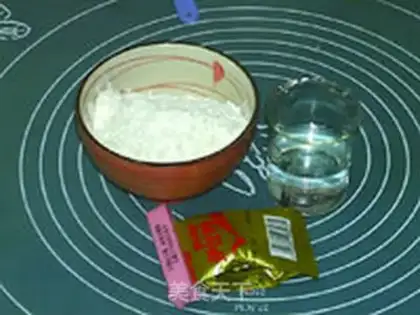
Italian fermentation: 95 grams of macaroni, 0.5 grams of dry fermentation, 60 grams of water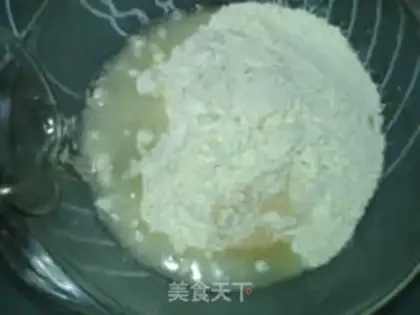
2
Mixed yeast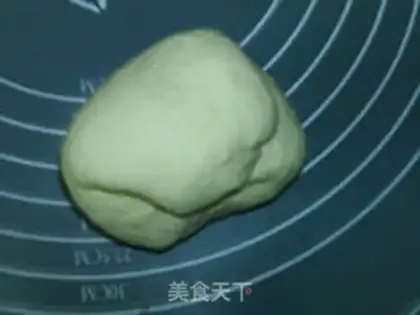
3
Scratch it with smooth noodles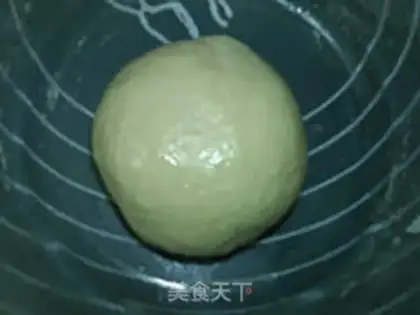
4
Put it in the bowl for 3-4 hours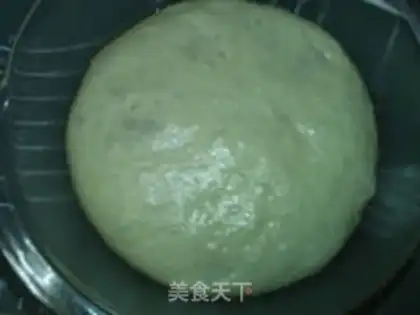
5
The headmaster is big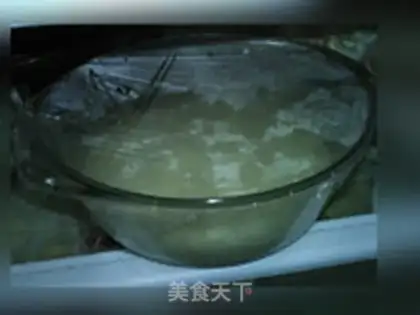
6
Put it in the freezer overnight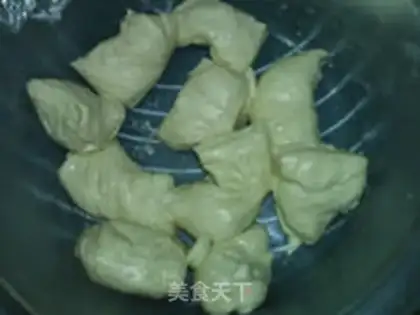
7
Take it out before it's used, cut it into 10 pieces, cover it up and warm it up for an hour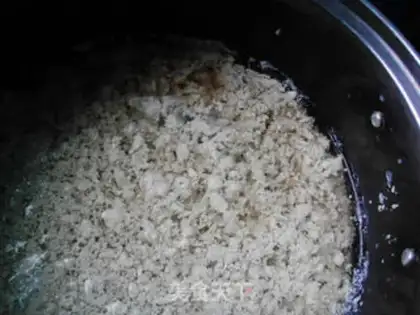
8
Main noodles: 85 grams of saline, 3.5 grams of salt, 1.5 grams of dry yeast, 66 grams of milk, 18 grams of olive oil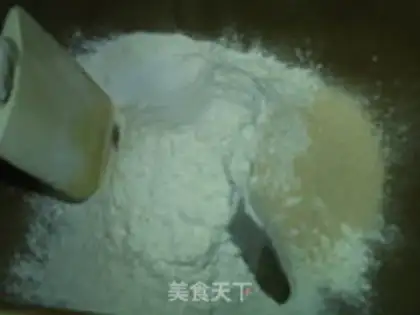
9
Pour flour, salt, yeast into bread cans, mix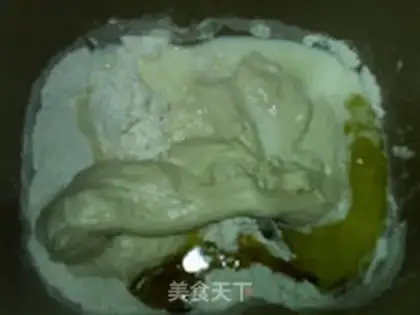
10
Add pasta, milk and olive oil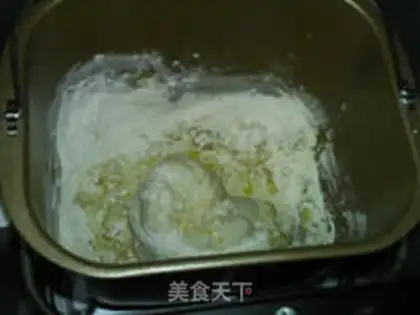
11
Put it in the toaster, start the meeting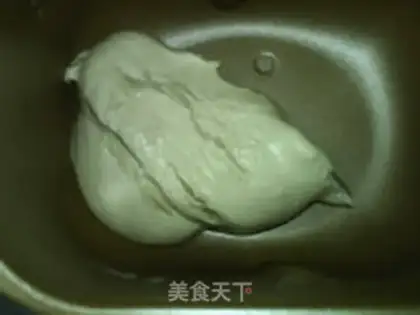
12
It's a smooth, sticky hand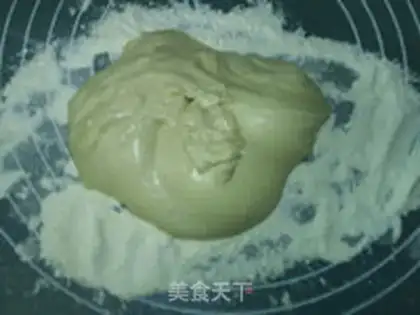
13
Spray flour on the crime scene and take out the dough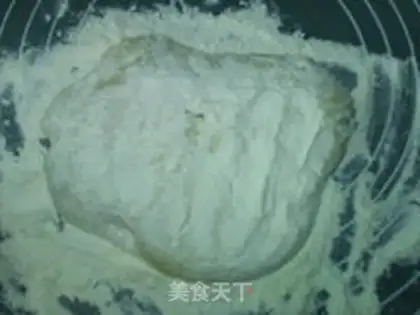
14
A lot of flour on the face of the dough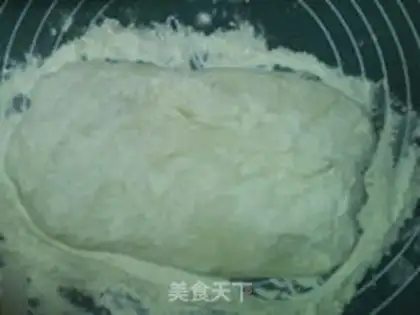
15
Slap the growth square for two minutes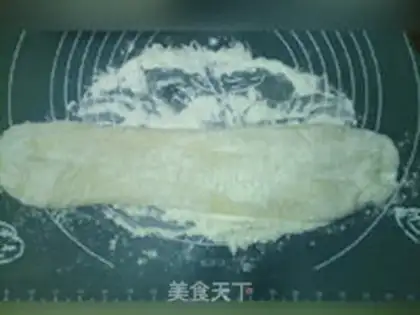
16
Double the length of both ends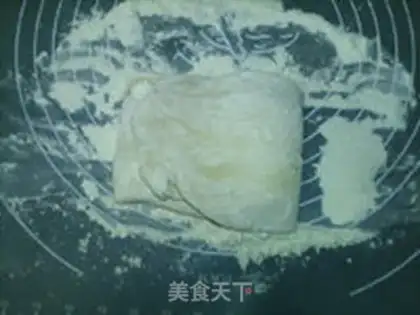
17
30% discount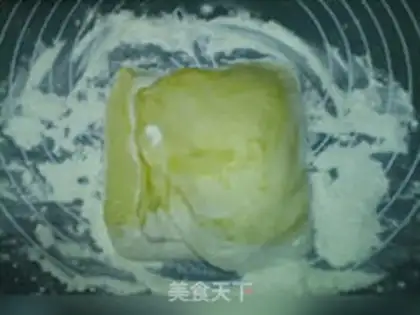
18
Surface oil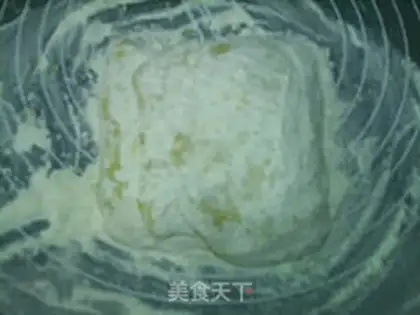
19
Spray the powder, cover the film, and relax for 30 minutes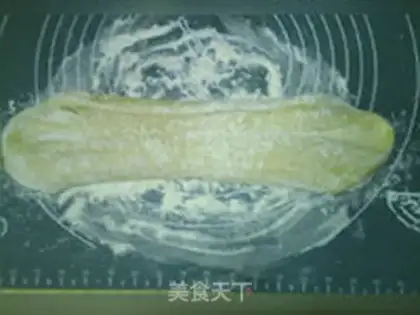
20
Long again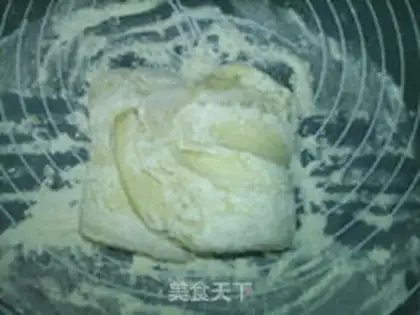
21
Collapse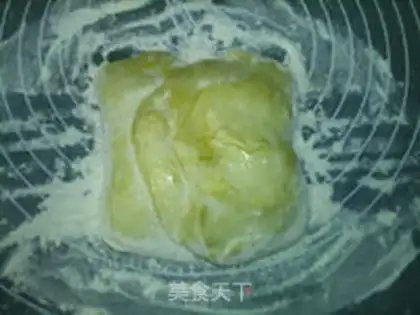
22
Surface oil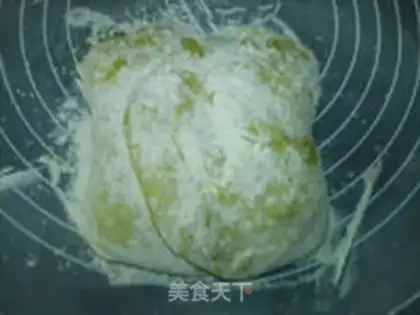
23
Water flour is distributed, film is covered and the noodle fermented on the crime scene for 90-120 minutes。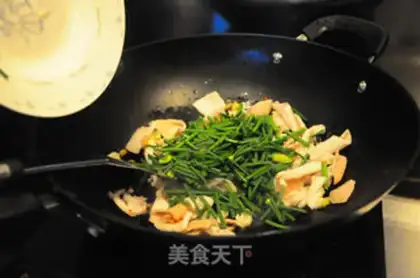
24
Noodles swell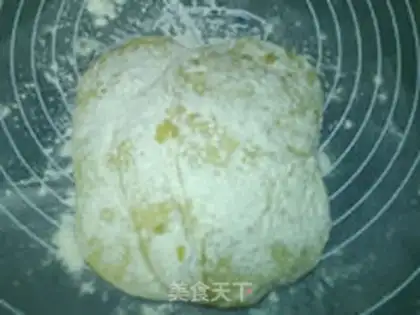
25
It's full of flour
26
Spray oil on the fermentation sheet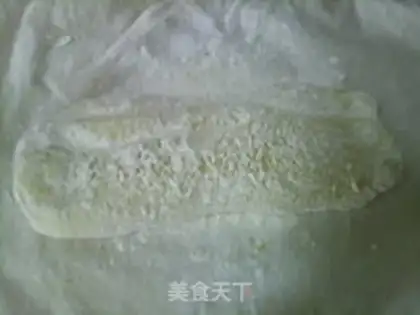
27
Watch out for the noodles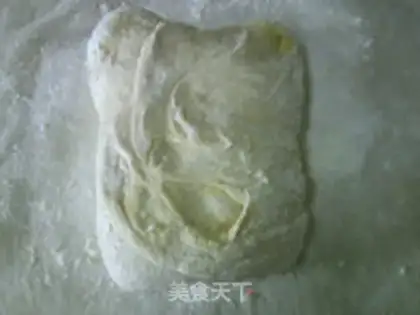
28
Collapse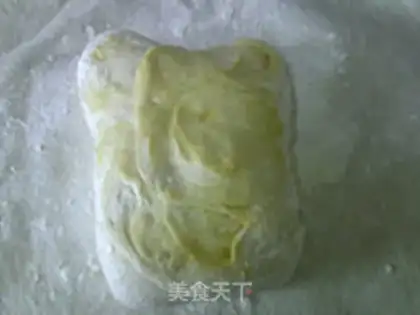
29
Surface oil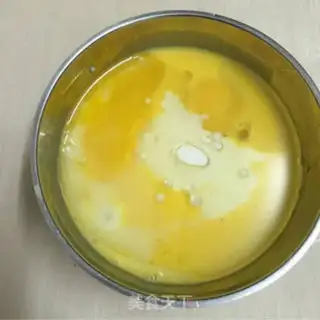
30
Put powder on it, put towels on it, wake up for 45-60 minutes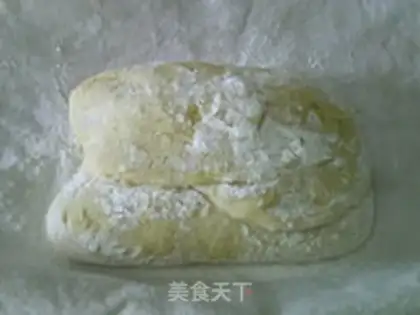
31
The headmaster is big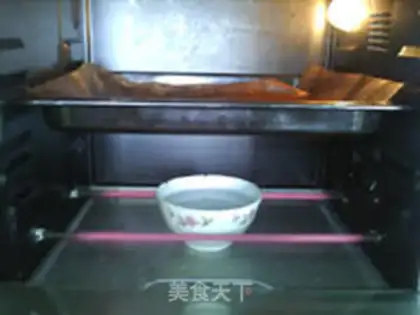
32
In the ovens, there is an empty dish and a bowl of hot water at the bottom. Preheat to 230 degrees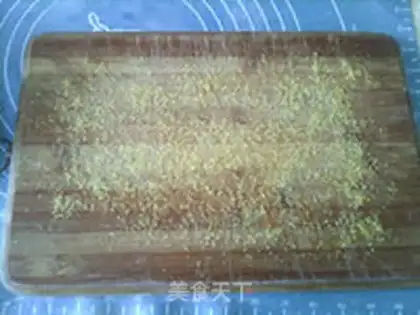
33
Put corn powder on the board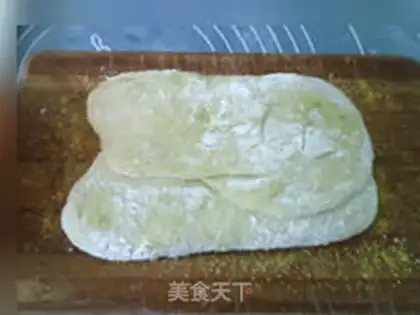
34
Be careful with the noodles on the board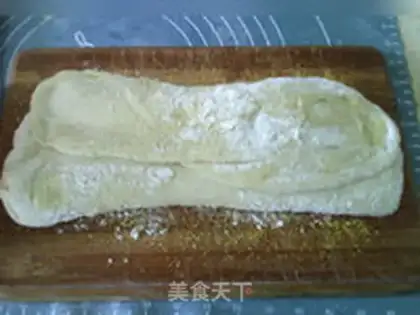
35
Raise to 23-30 cm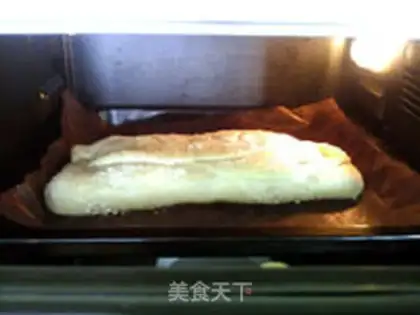
36
Be careful to slide the noodles into the oven. In the middle, 230 degrees above and below fire, water is sprayed every 30 seconds at the four walls of the oven three times. Close the oven door and bake for about 20-30 minutes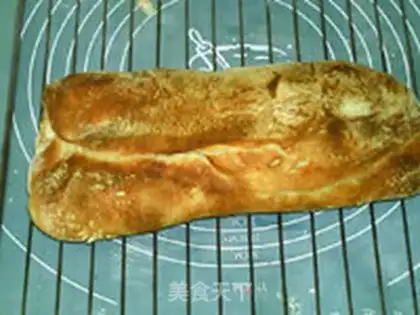
37
It's got brown on itItalian yeast Shabata Make Tips
Milk can be replaced with water, but the dough with milk added will be softer and smoother. You can also bake the dough directly without spraying water into the oven. Baking time and temperature need to be adjusted according to the actual conditions of the oven.