The way of buns
By VicentaLakin
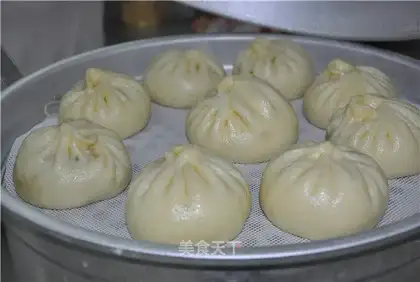
Recipe Recommendations
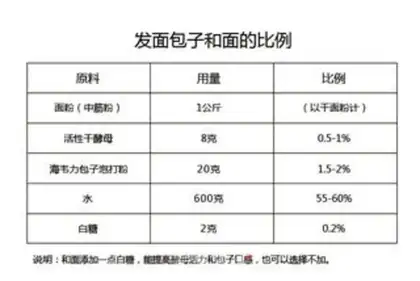
- medium-gluten flour 1KG
- Aluminum-free baking powder 15g
- yeast 8g
- water 600g
Steps for The way of buns
1
Steps in the use of puffy powder: The method of puffy powdering is simple, but it is only necessary to mix the puff with the flour before adding yeast, water and flour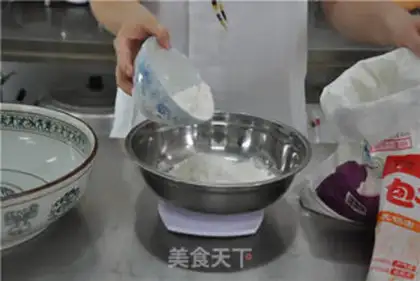
2
Measuring Flour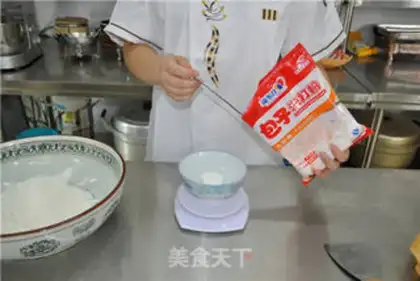
3
The description of the use of the cappowry powder is given: the use of the cappowder powder is generally 1.5 per cent for the summer; the use of the cappowder powder is typically 2 per cent for the winter season; and the powder is distributed into the flour with the proper mix。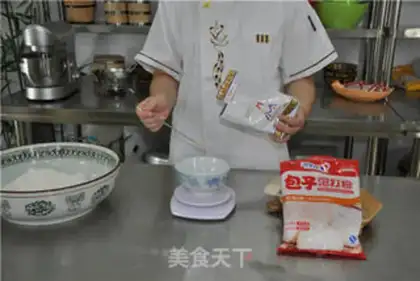
4
Scale yeast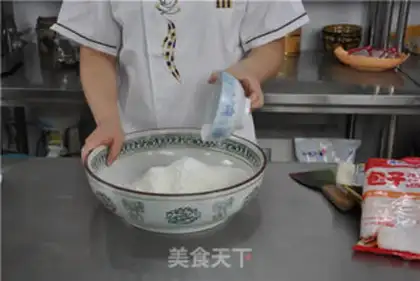
5
Let's mix the buns into flour. Medium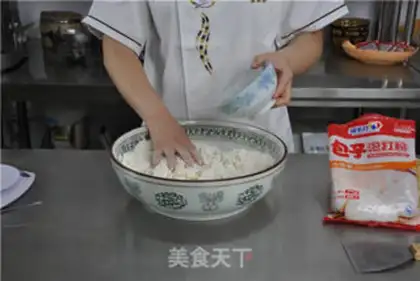
6
Then join the yeast, the water and the face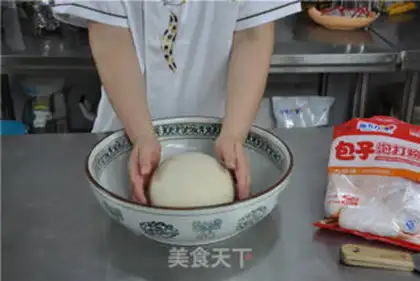
7
And it's a smooth face。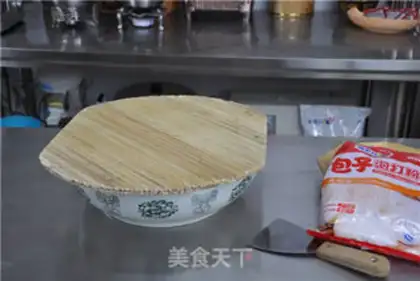
8
The best conditions for the fermentation of the fermentation of the concocted noodles are: 33-35°C; humidity 75-85%; and fermentation 30-40 minutes。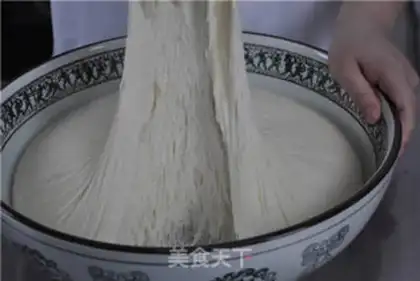
9
The generally fermented pasta is about one times larger than the size of the original noodle and has an internal beehive。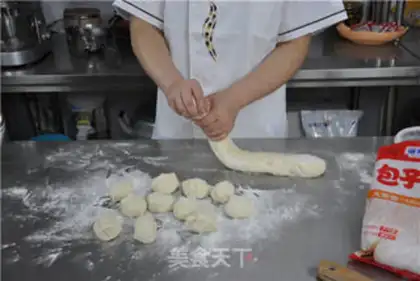
10
Then we'll rub the niced noodles in strips and split them into facials。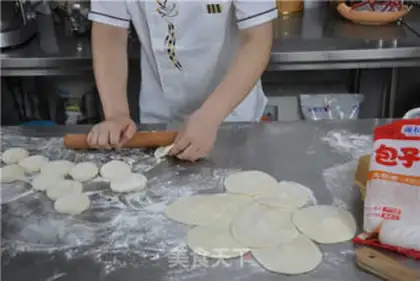
11
Skin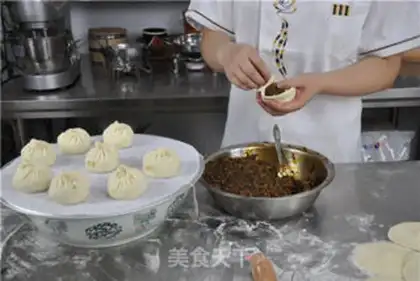
12
Package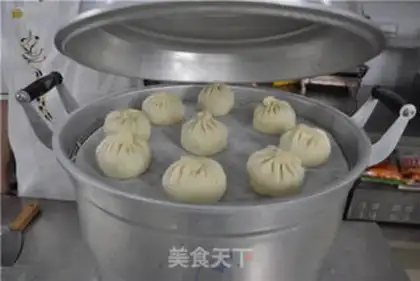
13
Vapour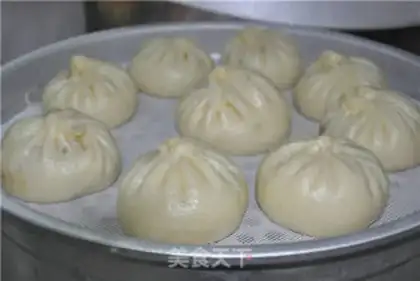
14
Steam buns are easy to evaporate with white, big, soft-sniffed big bunsThe way of buns Make Tips
I. Yeast Activation Method: First, dissolve the dry yeast in warm water (35-40°C) and let it sit for 10 minutes before mixing the dough for better fermentation results.
II. Fermentation Time and Judgment Method: The fermentation time for steamed buns is generally about 1 hour; however, the time varies due to differences in temperature and yeast usage. Therefore, it is best to judge whether the dough is ready based on its state.
III. Method for Determining if the Dough is Ready: The risen dough should be at least about double the volume of the original dough, and the interior should be honeycomb-shaped.