Bob's second approach
By VicentaLakin

The buns are the more popular traditional pasta, and the evaporated buns tend to be soft in the house, and the buns don't taste well, and the fermented puffs with the non-aluminium bubbles and yeast hairs can easily be evaporated with white and soft buns
Recipe Recommendations
- flour 1 kg
- water 600 grams
- Haiweili steamed buns baking powder 20 grams
- yeast 10 grams
Steps for Bob's second approach

1
Steps in the use of puffy powder: The method of puffy powdering is simple, but it is only necessary to mix the puff with the flour before adding yeast, water and flour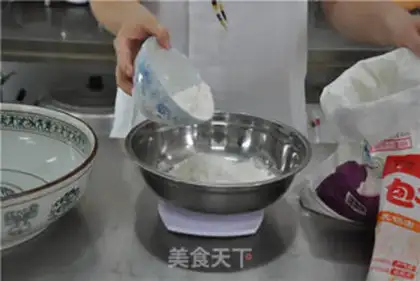
2
Measuring Flour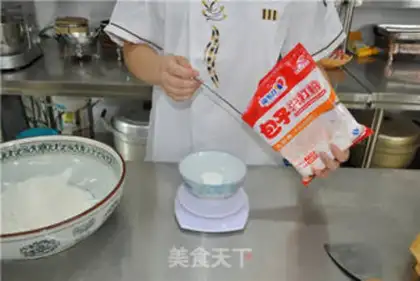
3
The description of the use of the cappowry powder is given: the use of the cappowder powder is generally 1.5 per cent for the summer; the use of the cappowder powder is typically 2 per cent for the winter season; and the powder is distributed into the flour with the proper mix。
4
Scale yeast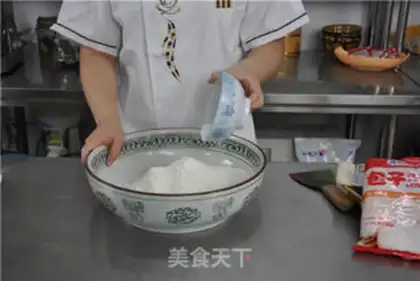
5
Let's mix the buns into flour. Medium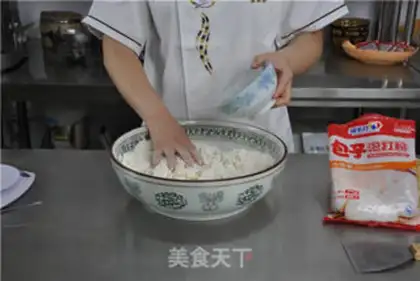
6
Then join the yeast, the water and the face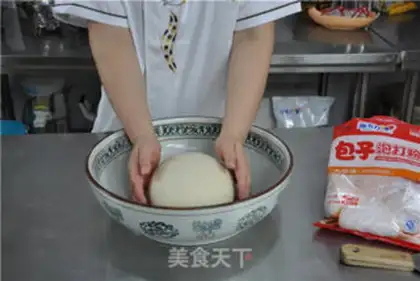
7
And a smooth face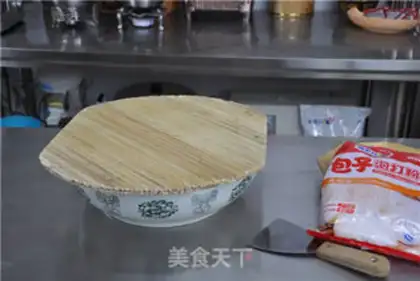
8
The best conditions for the fermentation of the fermentation of the fermentation of the fermented swabs are: 33-35°C; humidity 75-85%; fermentation 30-40 minutes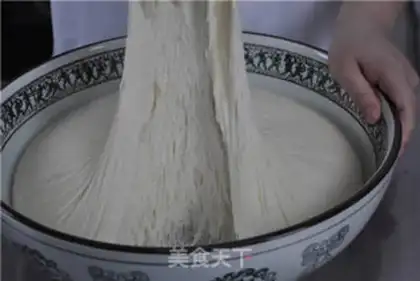
9
The usual fermented noodles are about one times larger than the size of the original ones, with an internal beehive
10
And then we'll put the haired noodles in strips and split them into facials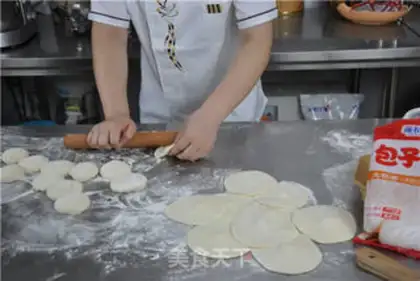
11
Skin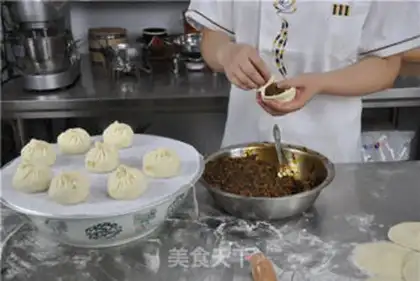
12
Package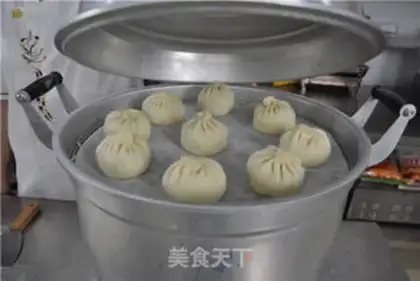
13
Vapour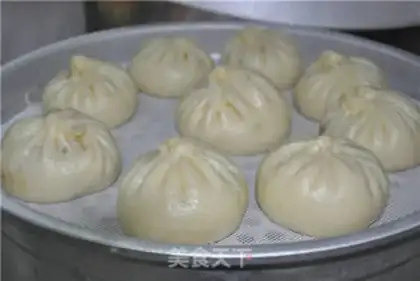
14
Steam buns are easy to evaporate with white, big, soft-sniffed big bunsBob's second approach Make Tips
1. After wrapping the buns, let them rest for 10 minutes. It is best to let the wrapped buns rest for 10 minutes before steaming, as this will make them plumper.
2. Yeast should be activated with warm water before use. It is best to dissolve the yeast in warm water (30-40 degrees) and let it sit for a few minutes to ensure full activation, which improves the dough rising effect.
3. Do not dissolve baking powder in water. Since the mechanism of baking powder involves acid-base neutralization, it reacts when it comes into contact with water and a certain temperature. Therefore, mix the baking powder with the flour first, and then add water to knead the dough; do not dissolve the baking powder directly in water.