Potato bread
By VicentaLakin

This bread is very soft, especially rass, rubbing mashed potatoes into the dough, making it softer and wetter, making it nice and tasteful. I'd like to recommend that you folks try it. I'll put it in the 8-inch circle. I'll skip the integrator, save time, and it'll be easy. ~ That's it
Recipe Recommendations
- high-gluten flour 260 grams
- mashed potatoes 65 grams
- butter 20 grams
- dry yeast 4 grams
- eggs one
- pure milk 100ml
- fine sugar 55 grams
- salt 1 gram
Steps for Potato bread
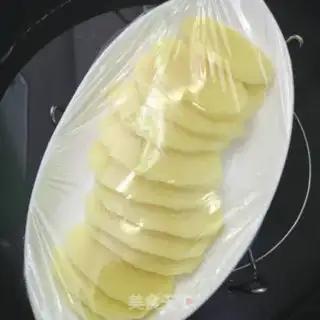
1
Potatoes go to the skin and cut thin sheets to cover the film and boil it。
2
The fertilized potatoes crush the mud with a spoon back。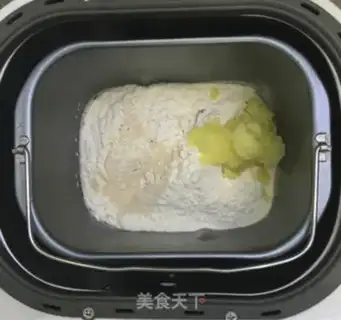
3
All materials, except butter, are put into the bread machine in the order of liquids and powders, and a face-to-face program is initiated。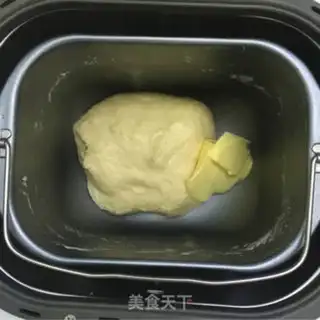
4
After the completion of the one-faced procedure, a softened butter is placed and a one-faced programme is initiated。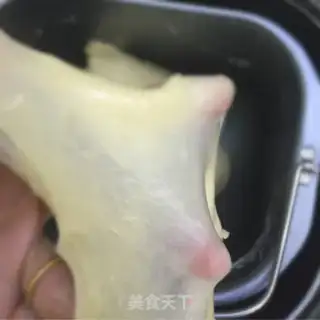
5
At this point, the expansion phase has reached the basic fermentation stage。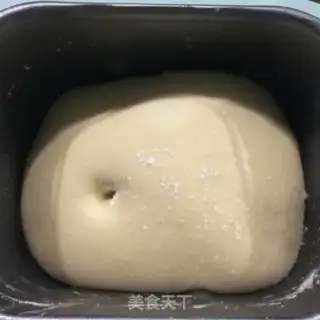
6
It fermented twice as big。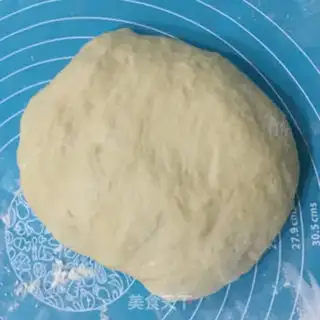
7
Take out the exhaust。
8
Splits into 8 equals, and rubs the circle code into 8 inches。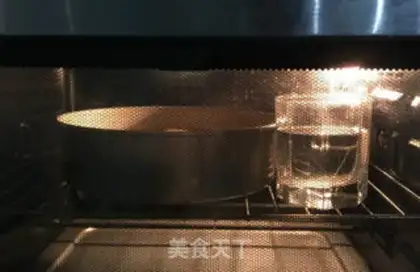
9
fermented twice in warm and wet。
10
The fermentation was 1.5 times larger and an egg fluid was painted on the surface。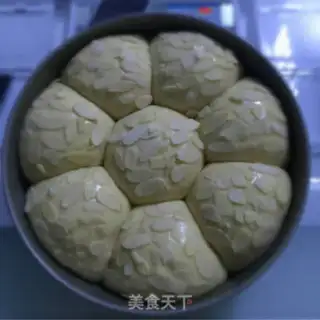
11
Throw some almond chips or sesame。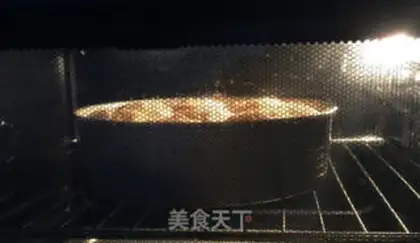
12
In the middle of the pre-heated oven, 175 degrees up and down, 25 minutes (after colour)。
13
You can eat when you're cold。
14
Very soft and delicious。
15
They can be kept in a sealed chamber for two to three days。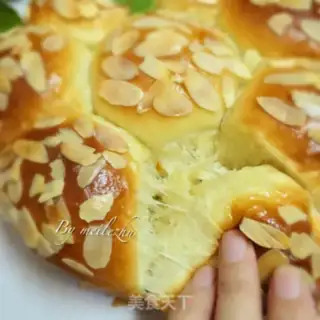
16
Very Rusty。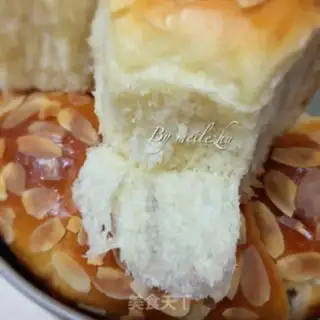
17
The finished chart。Potato bread Make Tips
Adjust the temperature according to your oven's characteristics; since flour absorbency varies, you can reserve 10g of milk initially; if the dough sticks to your hands while rounding, apply a little oil or dust with some bread flour to prevent sticking; I omitted the resting step because I rounded the dough and placed it directly into the mold; reserve a small amount of egg wash for brushing the surface.