Coconut hand tore bread
By VicentaLakin

And I've done this piece of toast too many times, and every time I make bread, it's obvious, it's very soft and delicious. This time I added coconuts, and I used the folding technique to make bread that could tear one layer apart. Coconut control's favorite
Recipe Recommendations
- Jinxiang Gaojin Powder 175 grams
- yeast 3 grams
- milk 75 grams
- eggs 40 grams
- salt 3 grams
- light cream 55 grams
- fine sugar 35 grams
- butter 20 grams
- coconut 50 grams
- whole egg liquid 30 grams
- sweetening
- roast
- several hours
- ordinary
Steps for Coconut hand tore bread
1
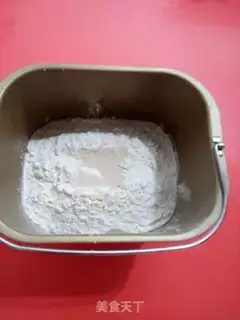
All the material of the Chinese noodles is placed in the bakery in a first liquid and then in the powdered form. Attention, salt on the side of the barrel, not with yeast. Dig a hole in the flour and pour it into the yeast. Bread machines start a face-to-face program. My bakery and face function is 13 minutes at a time。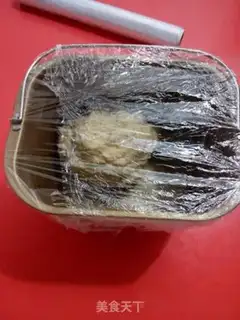
2
Put a nice Chinese face in the bowl and wrap it with a membrane. I'm lazy. I just wrap up the van. Put it in the fridge for over 17 hours. I've been frozen for about 20 hours. Usually we do it tonight and we made up last night。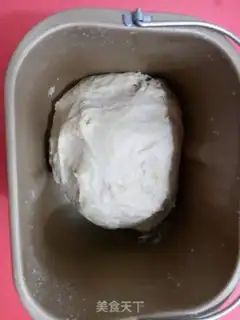
3
One night's Chinese noodles will be 2-2.5 times larger than the original ones. Take the Chinese noodles out of the van and tear them into small pieces with your hands. Butter soften early。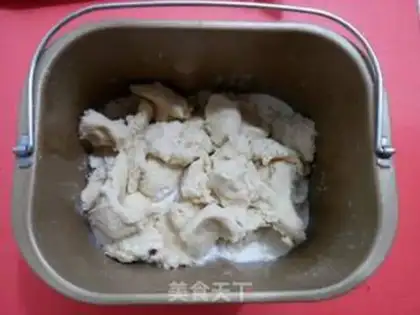
4
All main-faced materials, except butter, are placed in a bakery, then in torn Chinese, and one and one face function is activated。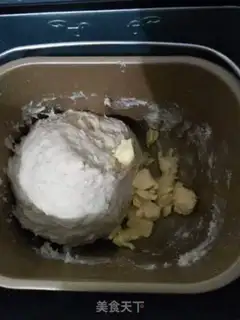
5
And the face function ends with a softened butter pellets. Activate a noodle function, my baker's noodle function can be adjusted, I'm 30 minutes。
6
At the end of the laundromat procedure, a small piece was cut open with hand to check whether a lower section had reached its full stage. It's made of a musket that doesn't break easily。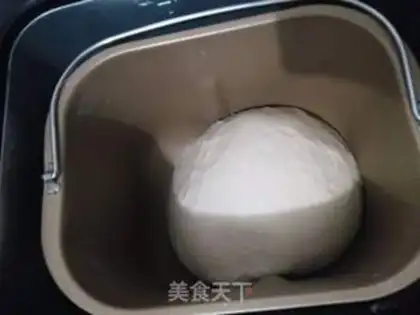
7
Rounded the inside of the bakery, covered it with a shampoo, and put it in the warm for 30 to 40 minutes to ferment. It's cold enough to start the baker fermentation function。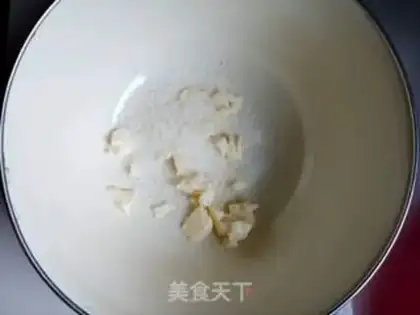
8
Waiting for fermentation, then we can make coconuts. We'll start with a little softened butter and then we'll add fine sugar to the sugar。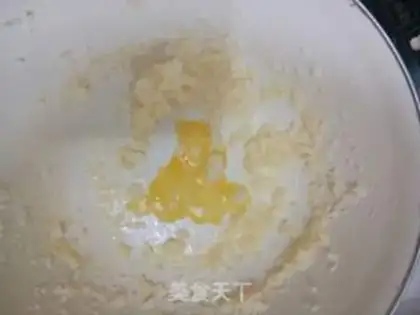
9
A small number of additions to the egg fluid, each of which is to be modulated in order to be added to the next egg fluid to avoid the separation of the egg oil。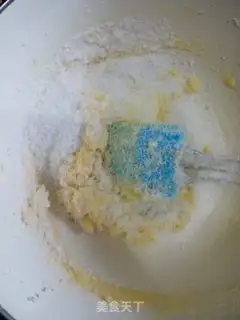
10
Finally, we'll add the coconuts。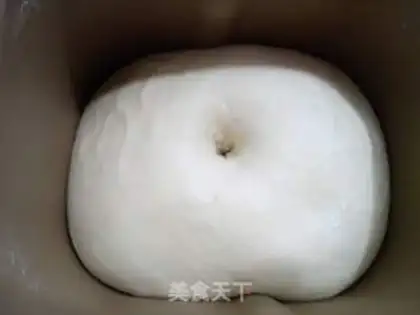
11
It's 2-2.5 times the size of the pasta。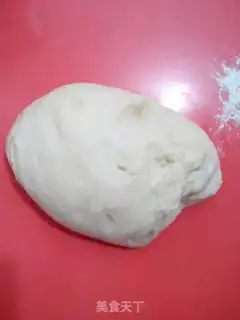
12
It can also activate the bread machine and face function. I'm pressing it with a stick. When the air is out, the mask will be covered and the face will be awake for 15 minutes。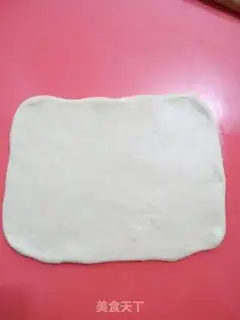
13
It opens up a waking face into a rectangular shape。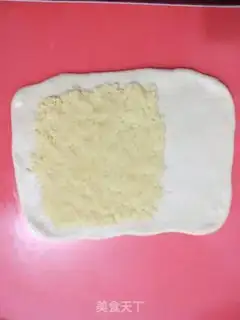
14
Plate the coconut evenly to the left of the rectangular three-thirds。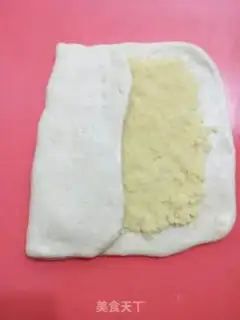
15
One third of the blank skin on the right. I think I'm going in the wrong direction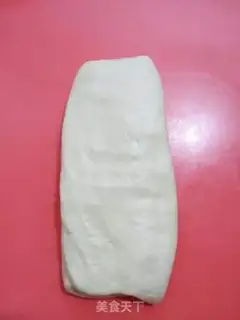
16
Turn the other side. To form a narrow rectangle。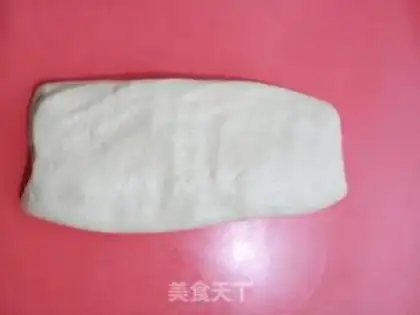
17
Put the face across。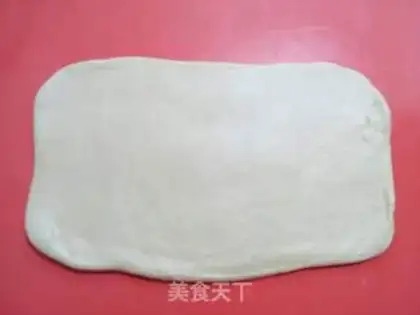
18
A little bit。
19
One third of the left turn to the middle and one third to the right turn to the middle. ♪ That's another three times ♪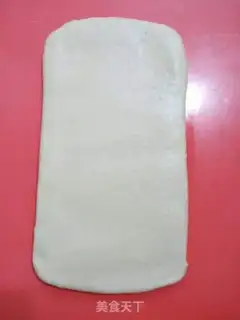
20
the air in the dough is slowly pressed out with your hands and the seal is tight. lightening up. it's a rectangular shape of 27 cm and 15 cm or so。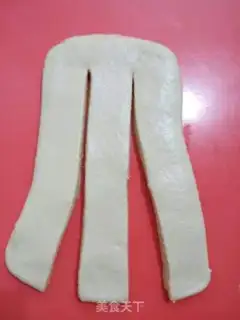
21
Cut it in three pieces with a single cutter and be careful not to cut the top。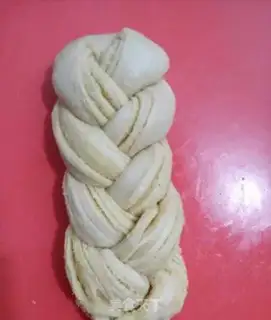
22
It's like a plume, and it's a tight bottom。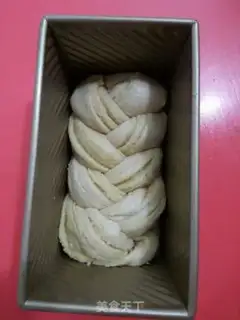
23
Put the plastic bread in the toast box. Cover the film, put it in the oven, put a bowl of hot water in the oven and activate the fermentation function。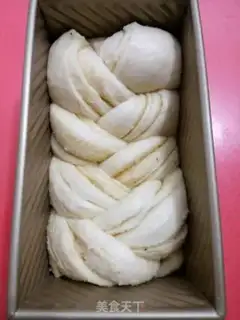
24
fermented to eight minutes of toast. Draw egg fluids on the bread surface evenly。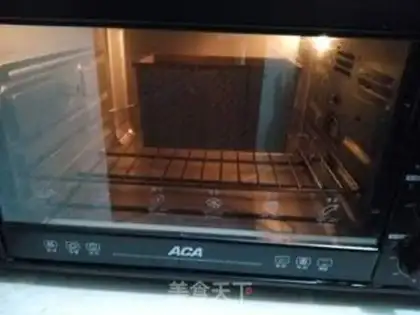
25
In the middle of the pre-heated oven, 180 degrees, 40 minutes, with tin paper on itCoconut hand tore bread Make Tips
1. When kneading, set aside about 10g of milk, and decide whether to add it based on the dough's humidity.
2. Actually, kneading doesn't necessarily require achieving the "windowpane effect"; kneading until the full development stage is fine. If stretching the dough forms a film but it tears, as long as the edges of the tear are smooth, it is acceptable. I have tried the same recipe without achieving the windowpane effect, and the bread was still soft with a distinct stringy texture.
3. Actually, whether the bread is successful mainly depends on proper fermentation.
4. Fermentation times vary and are related to the weather; it ferments quickly in hot weather and slowly in cold weather. The main thing is to look at the degree of fermentation of the dough.
5. Since my oven's top heat is on the low side and bottom heat is on the high side, I set the bottom heat to 160 and the top heat to 200. You must adjust the baking time according to your own oven's temperature.
6. If you have any questions or if there are any errors on my part, you can comment directly below the recipe. I will communicate with everyone after I receive the comments.