caterpillar bread
By VicentaLakin
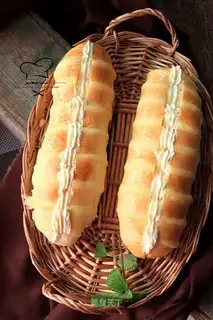
It smells like milk. It's so soft
Recipe Recommendations
- high-gluten flour 260 grams
- milk powder 10 grams
- whole egg liquid 20 grams
- qingshui 150 grams
- salt 1/4 teaspoon
- fine sugar 40 grams
- high sugar tolerant dry yeast pow 3.5 grams
- butter 22 grams
- salad oil 40 grams
- whipped cream 200 grams
- sugar 30 grams
- sweetening
- baking
- several hours
- ordinary
Steps for caterpillar bread

1
Salad oil and butter and water pouring into the pot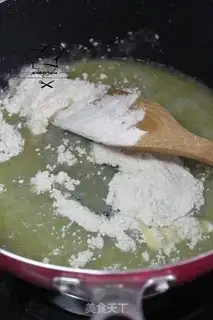
2
Add flour to the mix and equalize the fire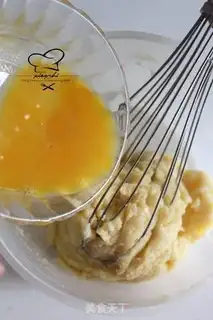
3
The pasta will feel very thick and have some creeps, but it doesn't matter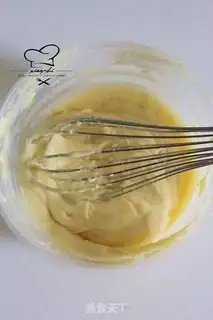
4
Butter paste is ready for backup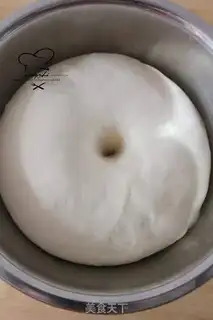
5
All pasta raw materials, except butter, are active as smooth noodles and stretch a little bit, adding butter to extend the noodle, and the oven fermentation functions about 30 degrees and 80 minutes, twice the size of the previous noodle, i.e. one fermentation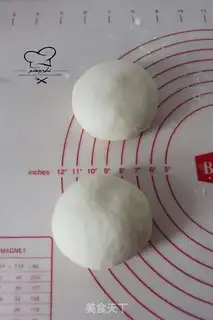
6
The fermented pasta is split into six equivalent exhaust rolls, covered with a protective film, 15 minutes in the middle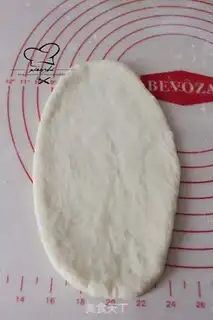
7
And when you're in shape, you try to grow a square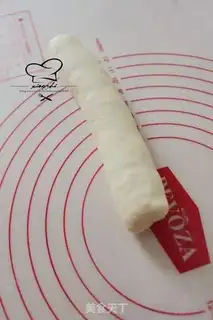
8
It starts from the side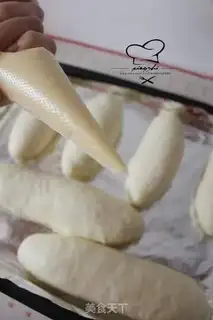
9
It's put on a board of tin paper, in the oven, about 30 degrees of fermentation in the oven, with some hot water in the lower level, and a second fermentation in about 35 minutes. One and a half-two times the size of the pasta, with a well-made butter in a bouquet, a small mouth, a horizontal strip on a caterpillar bread, and a net on an olive bag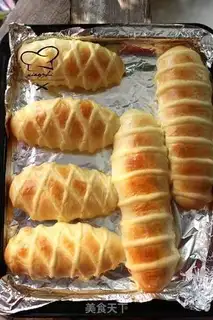
10
The oven is 180 degrees and 20-25 minutes to watch the color on its own oven. Paper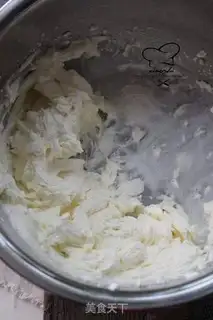
11
Light cream and sugar, bagged in bouquets with cookies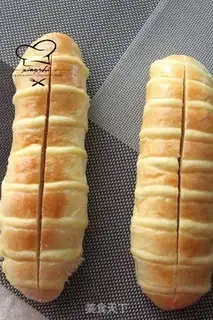
12
And when the bread is dry, cut open the caterpillar bread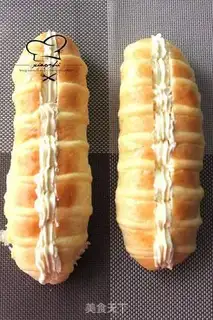
13
Just squeeze the cream into the bread。caterpillar bread Make Tips
This amount makes 4 grid olive breads and 2 caterpillar breads. When making bread, the dough can be a bit sticky at the start of kneading. Don't give up; knead slowly, and it will gradually become smoother. If the dough isn't sticky at the start, the resulting bread will definitely be hard. The dough must be kneaded to the windowpane stage for the final bread to be softer. The windowpane stage means you can stretch the dough into a thin sheet without it tearing. Kneading for too long can also cause the gluten to break down, so kneading should be done in moderation. With more practice and experience, you will better master the amount of water to add to the bread. Since the water absorption of flour varies by brand, you sometimes need to make slight adjustments yourself. The dough is ready when it is as soft as an earlobe. I used high-gluten flour packaged in a Golden Elephant paper box.