Cheese bread
By VicentaLakin

The cheese bread is so good that you can't wait to ask me for a recipe, and it's just yesterday, and it's as good as it always is, and it's the cheese that you don't have to put in, or it's the same way that I made it。
Recipe Recommendations
- high-gluten flour 200 grams
- low-gluten flour 50 grams
- fine sugar 35 grams
- milk 140 grams
- yeast 3 grams
- salt 3 grams
- butter 30 grams
- eggs 35 grams
- cream cheese 130 grams
- powdered sugar 15 grams
- milk powder 20 grams
- sweetening
- roast
- several hours
- ordinary
Steps for Cheese bread
1
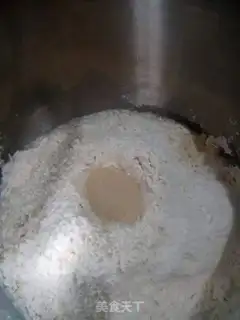
SOFTEN THE SMALL SLICES OF BUTTER OUT EARLY. THE PASTA MATERIAL WAS PLACED IN THE ACA CHEF ' S MACHINE, EXCEPT FOR BUTTER, BY POWDERING BEHIND THE FIRST LIQUID. THE SUGAR AND SALT ARE PLACED ON BOTH SIDES OF THE FLOUR, AND A HOLE IN THE FLOUR IS DUG, THE YEAST IS PLACED, THE COOK MACHINE 1 IS ACTIVATED, AND THE FACE BEGINS。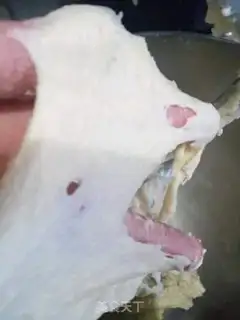
2
When the face and the hand break into a thick membrane, but easily broken。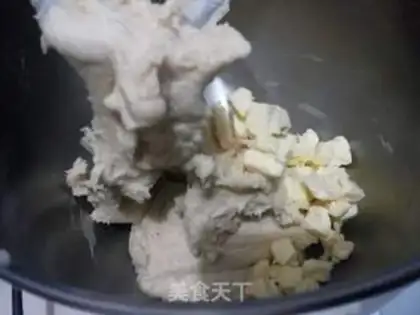
3
Add early softened butter. Start cooking machine 1 for about five minutes and change 2 to continue and face。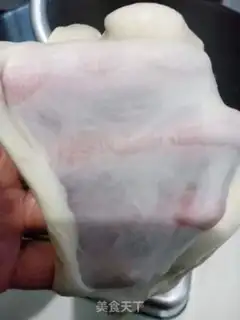
4
The pasta and the face can end when hand-to-hand amplifies into a thin film that cannot easily break。
5
(b) Collapse the noodles, put them in the basin, cover them and ferment them in warmth (either in the bakery or in the oven)。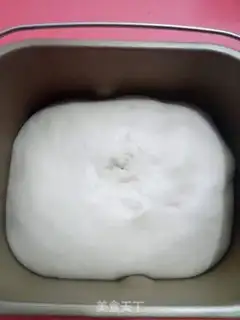
6
The fermentation ends when the pasta is 2 to 2.5 times larger。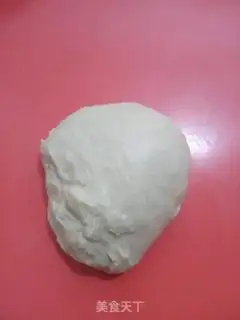
7
Take the noodles out and press the exhaust with a cane。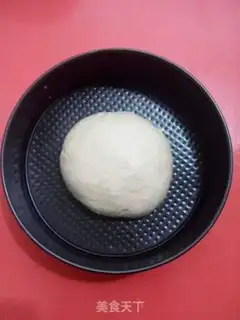
8
Collapse the dough into an eight inch of a rounded modulus, if not a non-molecular, with a melted butter on the inside of the moulds。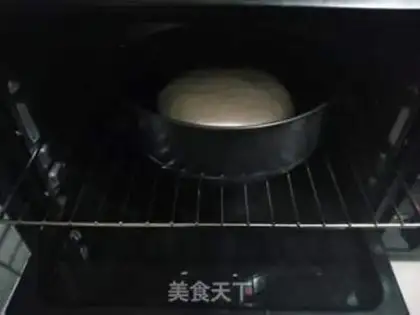
9
Put the noodles in the oven and put another hot water next to the mold. Start the oven fermentation function。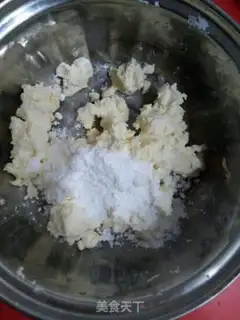
10
It's time to make cheese pie. Soft cream cheese and sugar powder in the basin。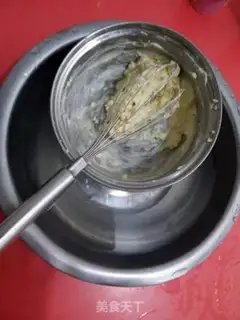
11
Insulated water with an eggbeater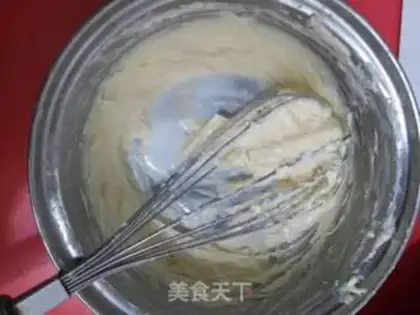
12
The milk is poured into the cheese every time it is splattered to the ointment, and then the next milk is put in evenly。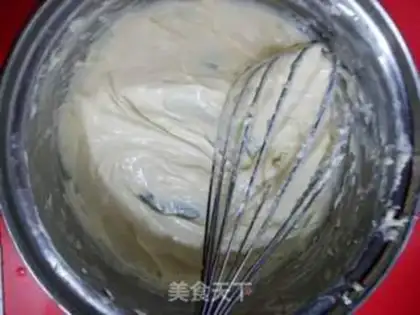
13
Cheese is smooth. Put it aside. It's cold, it's free, it's hot and it's cold for 3.40 minutes。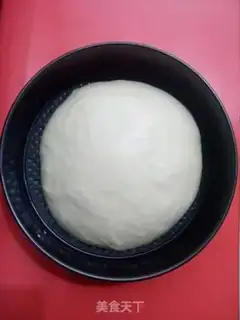
14
The pasta fermented to 2.5 times the size of the original noodle. Take out the dough, take out the water, the preheat oven. The noodles are placed in the lower middle of the preheated oven and, if not, directly in the lower. Fire 180 degrees, fire 140 degrees, roast 30 minutes. You have to remember to wear tin paper. I just forgot it was too late for tin paper so it was a little dark on the surface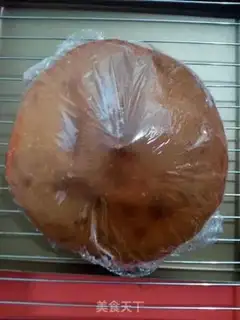
15
The baked bread surface is a little hard, and it can be wrapped around a 10-minute sheeting, which will make it softer, and then it will be removed so that the bread can cool itself。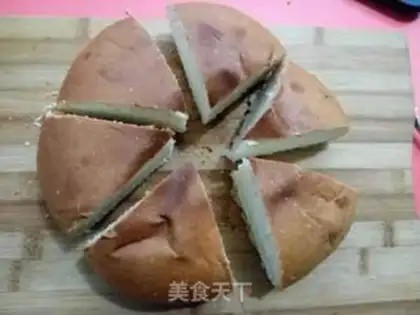
16
Cut the bread into six pieces on average。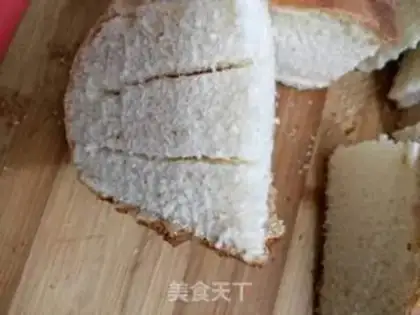
17
Each piece of bread cuts two mouths in the middle with a knife。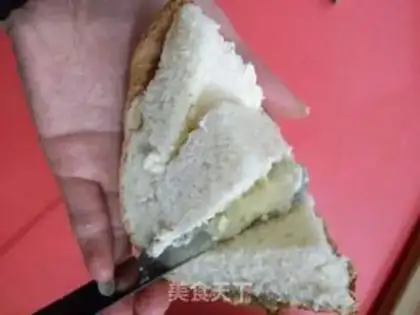
18
Scratch the cheese in the mouth, remember not too much, or it'll get tired。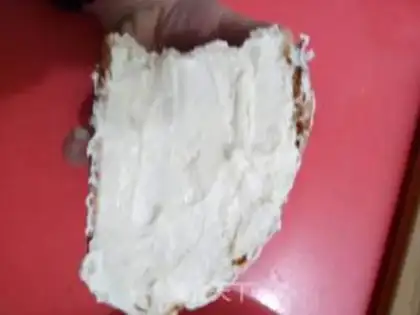
19
And the bread is covered with cheese。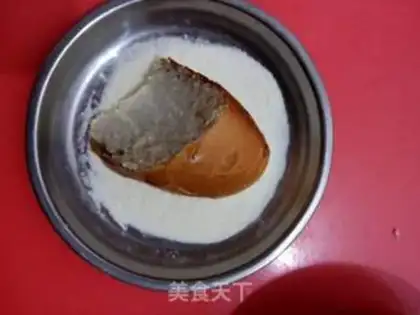
20
Sifted sugar powder and milk powder in advance. Put both sides of the bread covered with cheese on the powder。
21
A sifting of sugar powder on the bread surface and a delicious cheese pack are finished。Cheese bread Make Tips
The original recipe calls for two 6-inch round cake pans, but since I didn't have two, I used one 8-inch round pan instead. If you use two 6-inch round pans, shorten the baking time by about 5-8 minutes. If you don't have a stand mixer, you can use a bread machine or knead the dough by hand.
Also, here are a few things to keep in mind every time:
1. When mixing, reserve about 10g of milk. Add more only if needed based on the dough's moisture level.
2. You don't actually need to knead the dough until it forms a "glove membrane." As long as the dough reaches the "fully developed" stage, it's fine. If the dough stretches into a thin film but cracks, that's still acceptable as long as the cracks are smooth.
3. Fermentation time varies depending on the weather—hotter weather ferments faster, while colder weather ferments slower. Ultimately, rely on the visual cues of the dough to determine if it has risen enough.
4. Since my oven runs hotter at the bottom and cooler at the top, I set the temperature to 140°C for the bottom heat and 180°C for the top heat. Everyone must adjust the temperature according to their own oven's performance.
5. If you have any questions or if I've made any mistakes, feel free to leave a comment directly under the recipe. I will reply and discuss with you once I see it.