Classic toast
By VicentaLakin
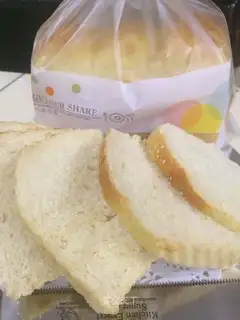
It's just the first time I've ever made toast! No experience! But I believe in the word: "If you want to do good, you must first use your means." So I added a new member to my baking weapon, its name: Chef Jolly
Recipe Recommendations
- high-gluten flour 500G
- milk 35g
- water 180G
- fresh eggs of 2
- butter 50g
- Bread baking powder 1 spoon
- sugar
- salt 5g
- yeast powder 5g
- sweetening
- roast
- several hours
- ordinary
Steps for Classic toast
1
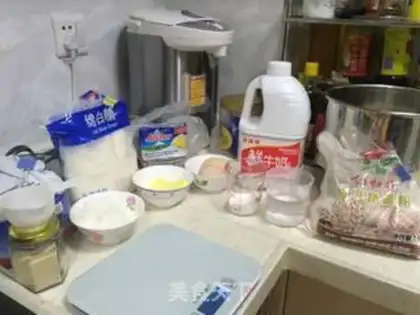
Prepare materials, high-quality flour, butter, etc. I'm using red-police Dant-class flour, Anda butter。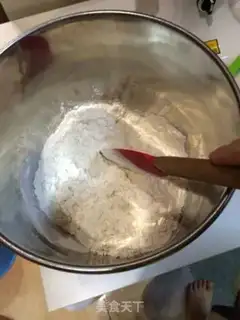
2
Five grams of yeast, one tea spoon of breadbrush powder, pouring into 500 grams of flour and mixing it with a cutter。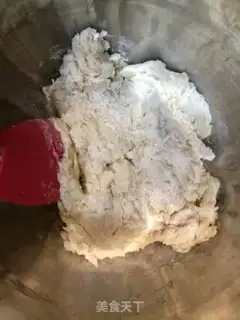
3
Added were two eggs, 35 grams of milk, 94 grams of sugar, and 5 grams of salt (mainly to remove the smell of butter), which was then poured into water at 180 grams. It is then blended with a cutter into a cotton coat, and as much as possible scrapes the flour around the plate。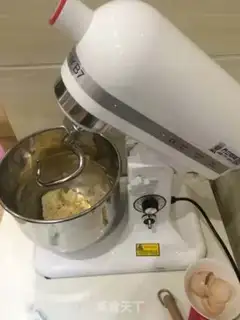
4
Put the dishes on the cook's machine, tighten the spin button, handle the handle, turn them on to 2.5, then slowly to 4-5. The bigger the slots, the more push, the stronger the bread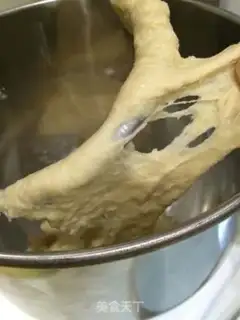
5
About two minutes of mixing, until the noodle is fully mixed and can be stopped to observe the noodle state, without any visible powder, such as even colours。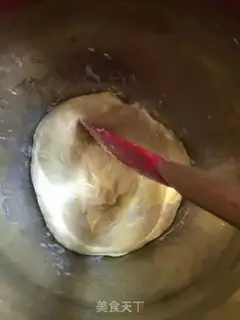
6
• 50 grams of melted room-temperature butter, which is ploughed on the surface of the dough with a cleaver。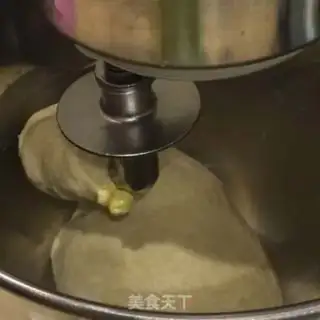
7
Re-install the dishes on the chef's machine, open the 2.5, then slow down to the 4-5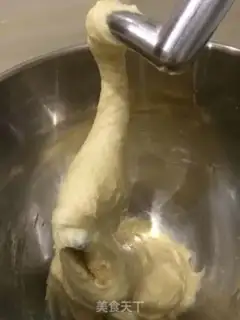
8
About two minutes later, the observation panel was mixed and even. Following the drawing, the cooker ' s machine will be moved to the second stage for approximately seven minutes, automatic and face-to-face。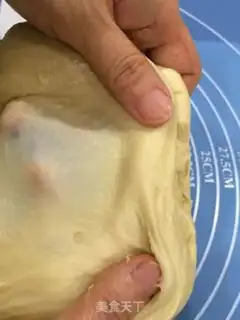
9
It's that simple and easy when it's time to stop and watch the noodles, 100% of the gloves
10
The noodles fall out, roll round, place 26 inches of dishes, cover them with protective film, and ferment about two hours (the duration of the fermentation is dependent on seasonal temperature change), which is two and a half times larger。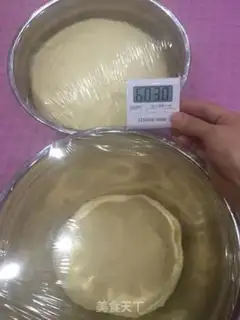
11
Noodle fermentation is observed an hour later, and the fermentation is compared to the original size。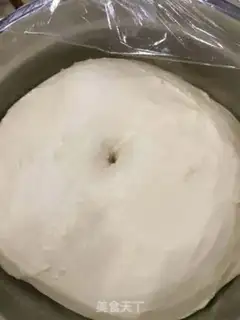
12
When sticky flour is inserted into the dough, the small hole is not rebounded, i.e. the first fermentation has been completed。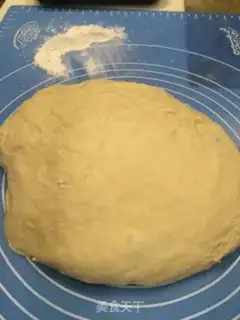
13
Take out the noodles, hand sticky flour, lightly take out the air inside the dough。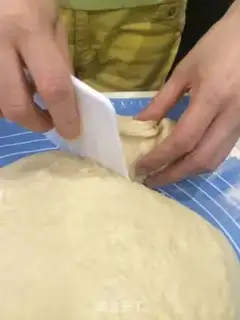
14
Split the noodles, 150 grams each。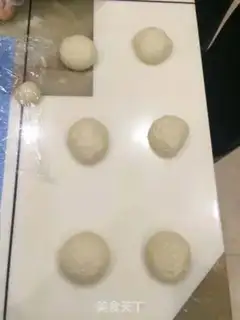
15
It is split and rolls, covers the film, and ferments for a second time, for about 20 minutes, and the pasta is twice as large。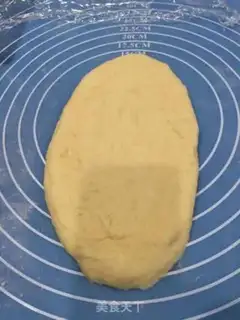
16
Take a noodle, slap it in the air and use a stick to make a tongue。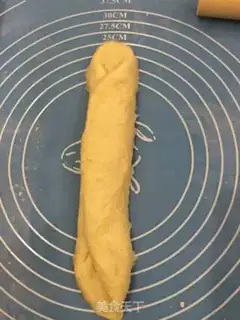
17
Turn both sides of the face to the middle. Then he flattens, and flattens the strips with a stick。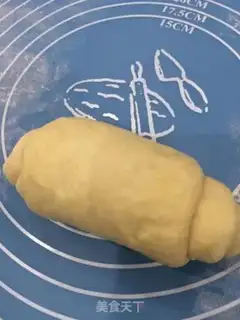
18
From top to bottom, as is the case。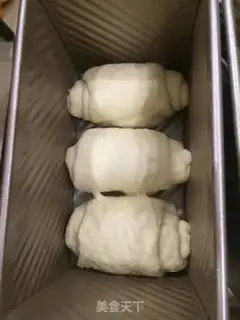
19
Similarly, a total of three rolls, with 450 grams of toast not covered by bread moulds。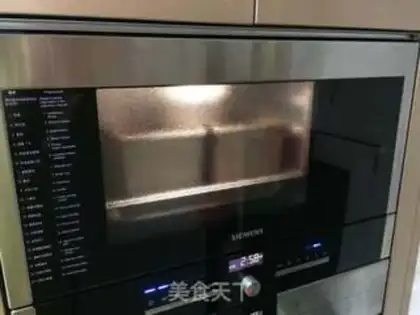
20
Place the steam tank, 40 degrees of steam, 20 minutes, for a third fermentation. (No steambox can also turn off the fire a few minutes after preheating the oven, and ferment it with warm water.) Flows to 1 - 1.5 times larger。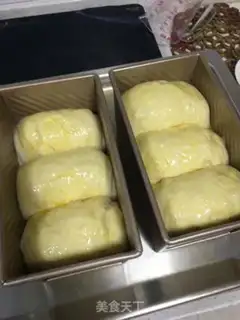
21
Egging fluid, oven preheating to 170 degrees。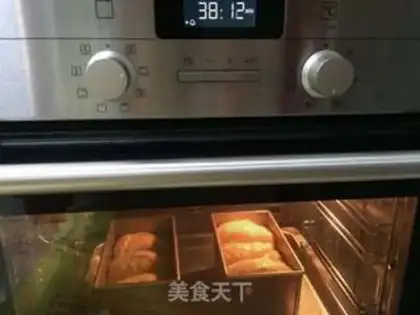
22
Baking oven, 170 degrees, 40 minutes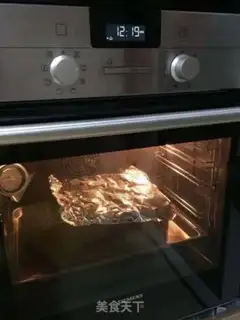
23
In about 10 minutes, if the bread is painted, it can be covered with tin paper. It's not like it's going to burn。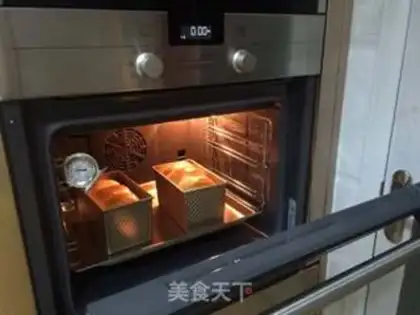
24
Fresh bread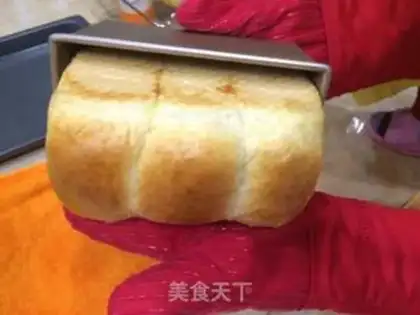
25
When you're out of the oven, blow the bread out. Take it easy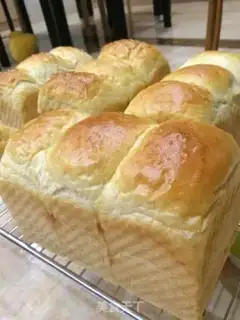
26
As for the cooling shelf, stay cool。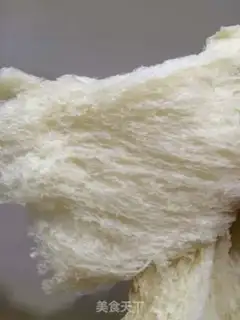
27
Rip the bread, it's soft, it's delicious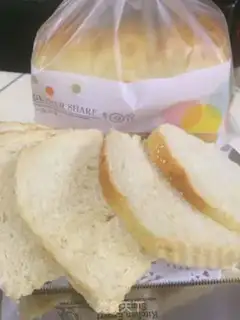
28
Of course it's a gift! Ha haClassic toast Make Tips
if you choose to use a chef's machine, it's really high price! i like joli more than kichenaid! mute, it's not expensive! i'm not asking, it's a real user experience。