Chicken soup buns
By VicentaLakin
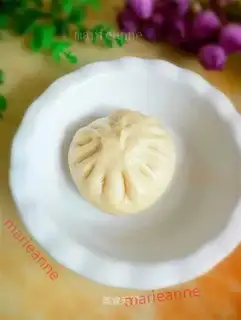
Simple chicken soup buns, combined with soybeans, have always been classic breakfasts, meat buns are beautiful and rich in nutrients, which can be frozen in refrigerators and can be eaten in the morning after heating。
Recipe Recommendations
- salty and fresh
- steamed
- several hours
- ordinary
Steps for Chicken soup buns
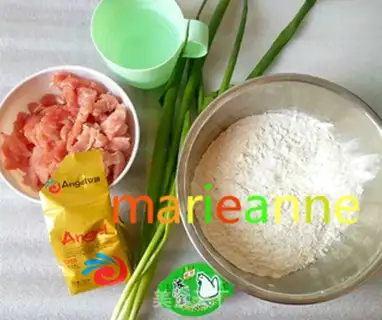
1
Prepare the main food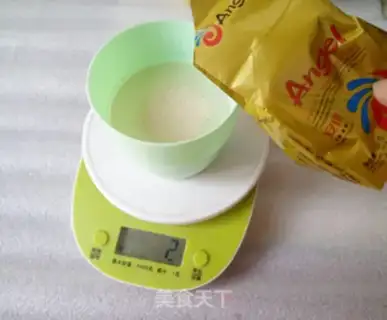
2
Put 2 grams of yeast in warm water and mix it to dissolve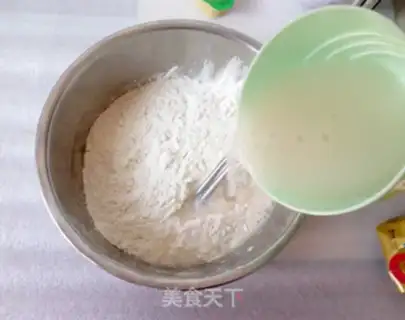
3
I'll pour the mixed solution into the flour and mix it with chopsticks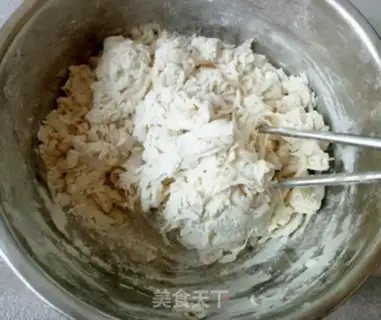
4
Smash it in cotton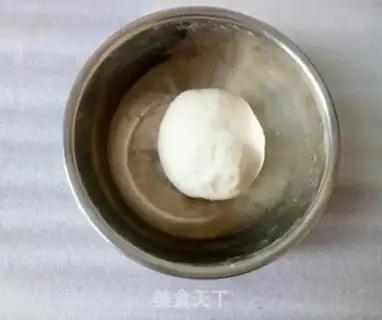
5
Then he rubbed it in his hand and then he rubbed it in his face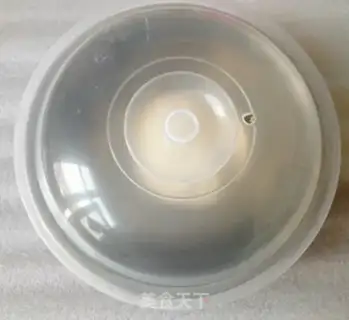
6
Put the rubbed face on a lid or a wet gauze and put it in the oven to turn on the fermentation function for about an hour, making it fermented to 2.5 times larger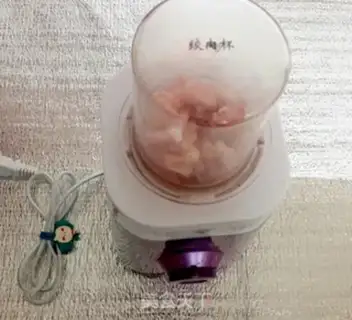
7
Pork slices are smashed with a cuisine machine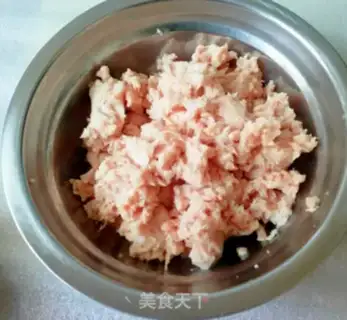
8
Put the pork in the bowl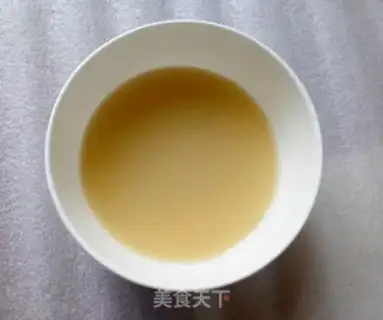
9
Take another bowl, put the soup in it and melt it into chicken soup
10
Put the soup juice into the meat, and then the chopsticks go in one direction. Power
11
Add perfume, onions, raw, old, white pepper, salt
12
Keep moving in one direction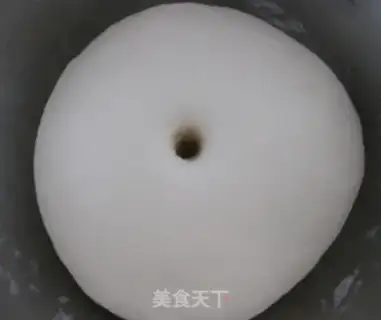
13
The fermented pasta pounces with a little flour on its finger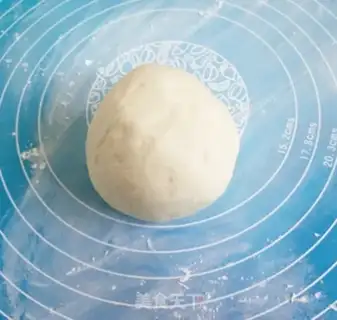
14
Put a little flour on the silicate pad, remove the fermented pasta from the fermented pasta on the silica mat with flour, and pump it with full pressure for 20 minutes, then rub it in a smooth face, then put it back on the pelvis, and leave it loose for about 10 minutes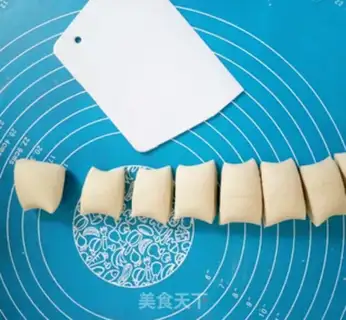
15
Take out the noodle strips and cut them to about 35 grams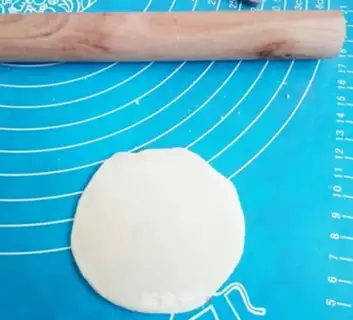
16
Take a dose and flatten it with a bump, and make it into a slightly thin skin in the middle
17
Put an appropriate amount of pork in the middle of the skin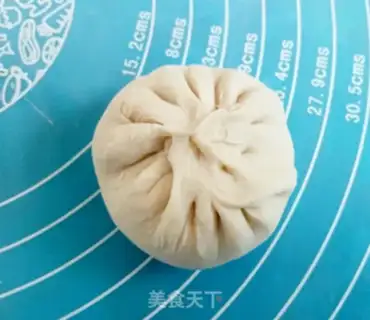
18
One starts with a hammer, then continues in one direction until the edge of the face is closed, the mouth is closed and the child is born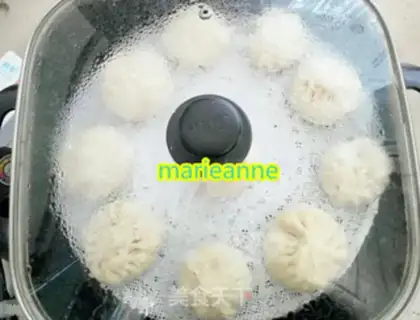
19
Steam pots with a proper amount of cold water, with the buns placed on the rags, with the appropriate gap between each of them, and a static fermentation cap of about 20 minutes (half a winter). The hour, which can be reduced to 15 minutes in summer, is an important step that cannot be omitted; the fire is steamed, the water is pumped up and turned into fire, and it lasts 12 minutes, and it can be evaporated for 5 minutes after the fire has been shut down。Chicken soup buns Make Tips
If you want soup juice, the buns have to be evaporated, you've got more soup, and it'll be gone after half an hour, because the soup is dried up. 2. The temperature of the surface and the surface is not too hot, such as the high temperature of the water that renders the yeast inactivated and the fermentation of the face; 3 and the surface feel too hard to continue rubbing on hands; and 4 The duration of the fermentation is highly correlated with the external temperature. The temperature is high, and the time required for fermentation is shorter and the time required for fermentation is longer. It's hot in the summer, and the noodles ferment at room temperature. In winter, the noodles are put in warm places. In the north, for example, containers with noodles can be placed next to the heating, in the south can be used to boil a pot of hot water, and in the south, the containers with noodles can be fermented in hot water, and can also be covered with a fermentation cap. Those with ovens and fermenting functions in the home can be fermented directly with ovens (approximately 1.5 hours in winter and about 45 minutes in the summer), which is easy and fast. 5. When producing the material, the water is filled in in small quantities and repeatedly (i.e., when a small amount of water is poured into it, the water is modulated and then added, rather than pouring all of it in at once). Care must be taken to mix the water in one direction, so that it can be fully fermented into the meat; 6 fermented noodles must be fully modulated, so that they can be fertilized with dry flour until the gas produced during the fermentation is fully excised. The simple way to judge whether a good product is fermented is fermented is to put the powder on the finger, and the face around the finger print is not bouncing, which means that the fermentation is perfect, as if the face around the finger print is quickly rebounding, which means that the fermentation is not enough. If the finger is quickly falling, the fermenting is excessive. In general, the face group is fermented twice as large and has small holes in its beehive. 8. When you put a bag in a steam pan, you have to leave a gap so that it doesn't grow and stick. Together, when the bag is evaporated, do not rush out, turn off the fire, and wait a few minutes before the cover is removed, so that the surface of the bag is not prone to collapse. 9. Packed flour and liquids have a mass of 2:1 and cannot exceed 60% of flour