Jelly rolls
By VicentaLakin
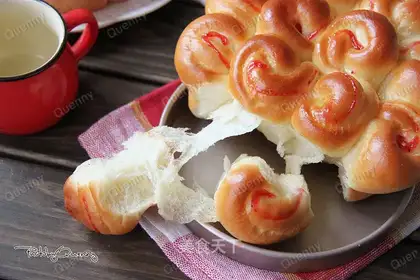
roll out a bag of jams, bake-resistant, and make bread this time, and use it quickly
Recipe Recommendations
- high-gluten flour 250g
- egg liquid 45G
- fine sugar 50g
- salt 3g
- yeast 3g
- milk 125g
- butter 25g
- toasted jam appropriate amount
- sweetening
- roast
- several hours
- ordinary
Steps for Jelly rolls
1
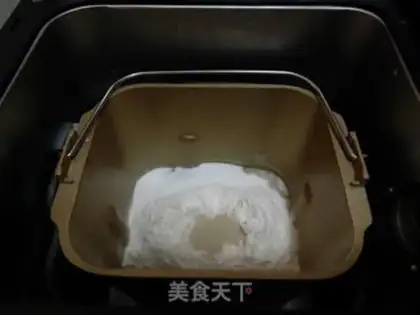
Pour all the main noodle material except butter into the bread drums, then place the drums in the toaster, and start the "live noodles" program, with two phases of fermentation with a default duration of 1:40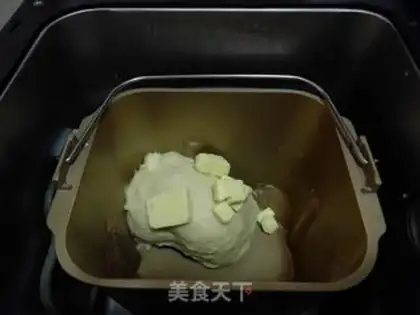
2
The program starts in 15 minutes, with softer butter at room temperature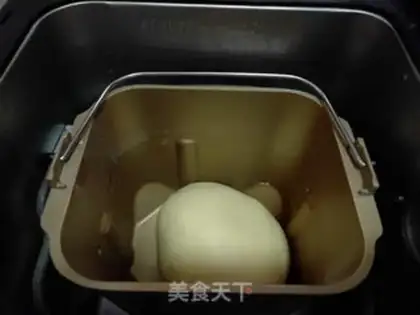
3
Scratch over. The program automatically enters the fermentation phase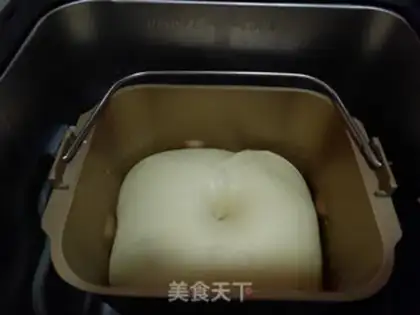
4
To the end of the procedure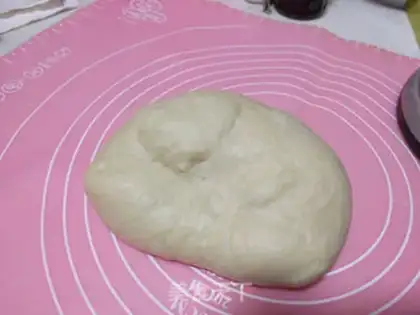
5
Take the fermented noodles and smooth the exhaust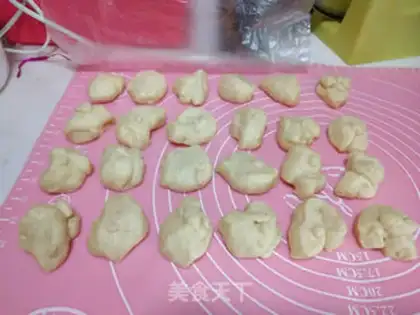
6
Split into 24 pieces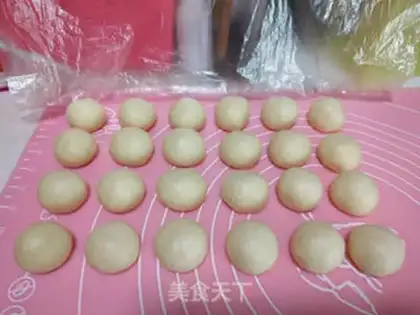
7
It's 15 minutes wide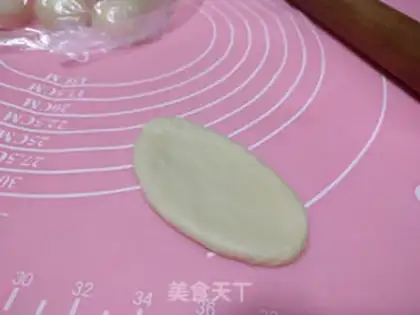
8
Take a nice, loose pasta and form an elliptical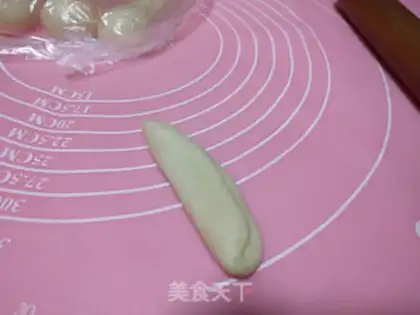
9
Fly along the long edge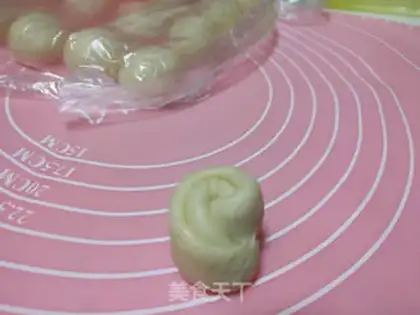
10
From top to bottom, and seal it tight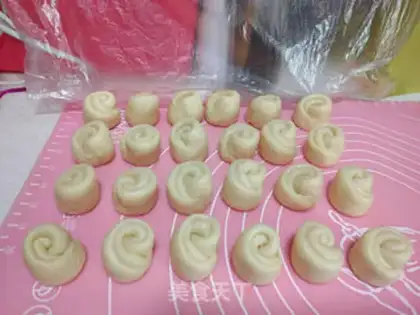
11
Shape all the noodles in the manner described above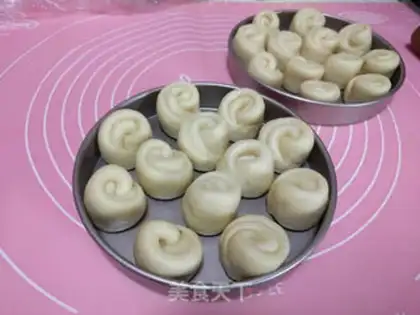
12
Put the noodles in six inches in a row. Medium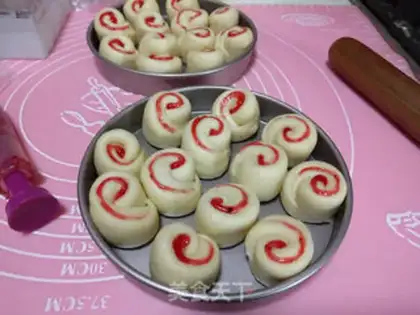
13
The surface is decorated with jam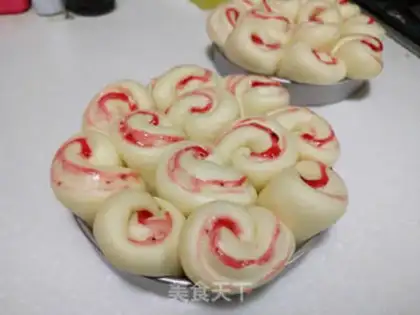
14
Send the dish to warm and wet for final fermentation, approximately twice the size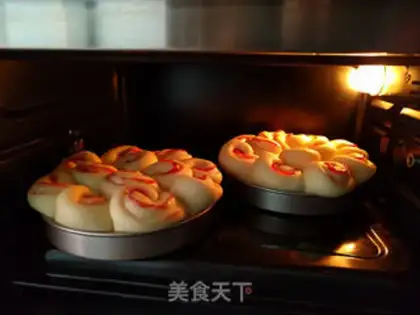
15
Send it down to the preheated oven. 180 degrees, 20 minutes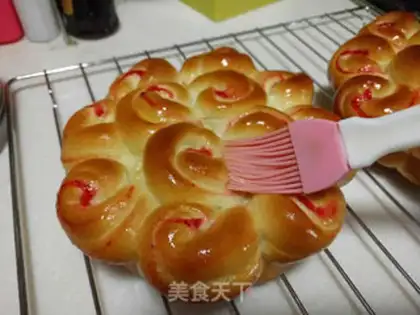
16
Get out of the oven and put butter on the surface while it's hotJelly rolls Make Tips
1. The round molds I use are not sticky, so they are used directly, and there is nothing to deal with; if they are general, beware of the butter before the noodles are put on; 2. The jam is baked, and it keeps its shape in the baking process; and beware of the usual jams that cannot be used in supermarkets, which are not baked, and which flow after heating