Natural yeast pine buns
By VicentaLakin

Since my friends brought me natural fermentation, I've been feeding on time every day, making bread once after three times. In other words, it's really good to have bread with natural yeast, it's just a little bit time-consuming, but it's worth it to pursue it. Today's bread is a pine bun. It's simple. Let's do it together
Recipe Recommendations
- eggs 40 grams
- butter 20 grams
- high-gluten flour 250 grams
- salt 3 grams
- milk powder 10 grams
- cream 40 grams
- water
- natural fermentation seed 50 grams
- yeast 1 gram
- fine sugar 35 grams
- egg liquid a little
- pine nuts appropriate amount
Steps for Natural yeast pine buns
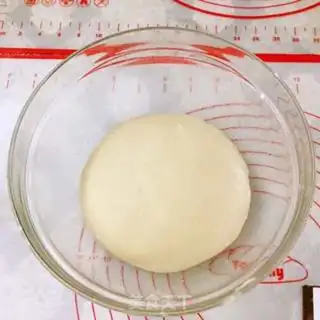
1
With the exception of butter, when all materials are mixed up in a bakery machine, they are added to the full-scale butter and placed in warmth for basic fermentation。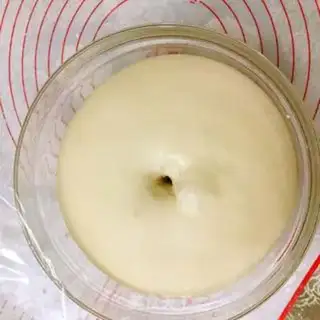
2
When the fermentation is twice as large, a hole in the middle of the face is poked with some water on the middle finger, which means that it is fermented。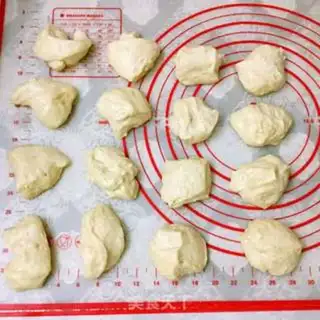
3
When the base fermentation is completed, the noodles are removed from the exhaust and divided into 16 pieces。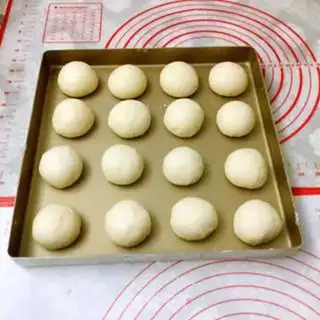
4
Roll round back into the oven。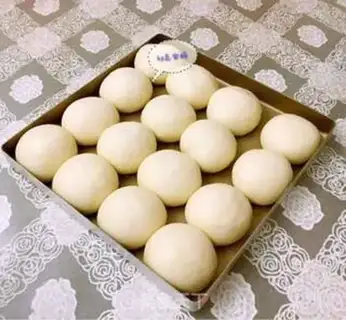
5
It ferments twice as big in warm and wet. (Now around 23 degrees, I put a bowl of hot water in the fermentation box without having to connect to the power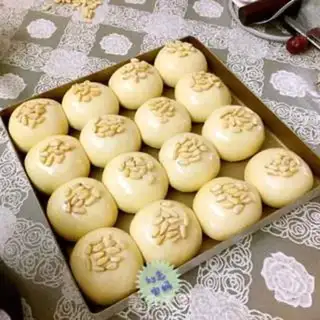
6
And on the surface shall be a thin omelet and a pine。
7
In the middle of the pre-heated oven, baked, 175 degrees and 20 minutes。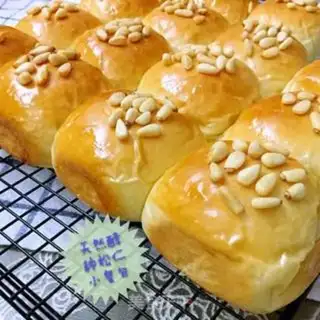
8
Move it out of the oven and put cooling on the grill。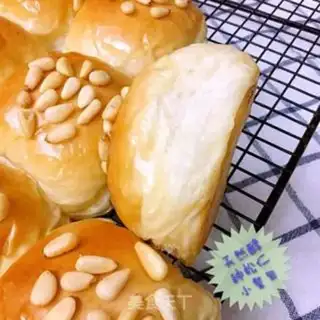
9
It's a very full snack. It's a good organization
10
Is it salivaNatural yeast pine buns Make Tips
1 During the baking process, coating of spicy paper should be done in time to prevent the surface burning. 2 The amount of liquid in the formulation is only a reference, and different brands of flour are different in their water-absorption properties during different seasons. Depending on the actual increase or decrease, the insurance policy is to add water in fractions and to put a slightly sticky hand on the noodles. 3 When bread is cooled and bagged, it is kept in seal, and it is recommended that it be kept frozen and that it be returned before eating. 4 If yeast are not to be used, natural yeast use will be adjusted from the original 50 g to 129 g and the fermentation time will be longer。